


The Ritual of the Road
To fly into Leh’s high-altitude airport is to arrive with a jolt, a sudden transplant from one world to another. To drive, however, is to participate in a ritual. It is a gradual shedding of the world you left behind. The two main arteries leading to Ladakh,
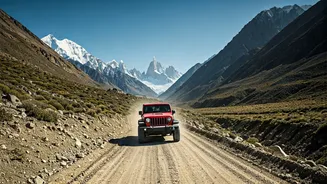
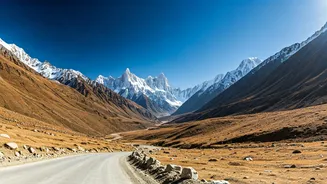
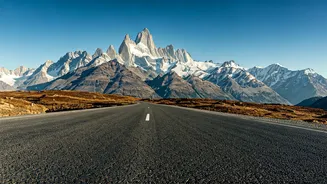
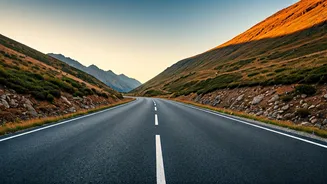
the Manali-Leh Highway and the Srinagar-Leh Highway (NH1), are not mere roads; they are epic narratives written in stone, sand, and sky. The Manali-Leh route is a raw, adventurous beast, taking you through stark, high-altitude deserts and dizzying passes. The Srinagar-Leh journey, by contrast, is a study in transitions, moving from the lush green of Kashmir’s valleys to the barren grandeur of the cold desert. Choosing to drive is the first, and most important, decision you make for your Ladakhi escape. It is choosing to earn the destination, not just consume it.
A Masterclass in Acclimatisation
Beyond the romance, there is a crucial, life-saving logic to taking the highway. Ladakh’s breathtaking altitude, with Leh sitting at over 11,500 feet, is no joke. Flying directly in from the plains puts your body under immense stress, often leading to Acute Mountain Sickness (AMS), a condition that can ruin a trip with headaches, nausea, and fatigue. The road, however, is nature’s own doctor. The slow, steady ascent over two or more days gives your body the precious time it needs to acclimatise. As you climb passes like Zoji La from the Kashmir side or Rohtang Pass from Manali, your body begins producing more red blood cells to cope with the thinning air. This gradual process is the single best defence against AMS. By the time you roll into Leh, you are not just a tourist; you are a traveller who is physically and mentally prepared for the heights you are about to explore.
The Landscape’s Unfolding Drama
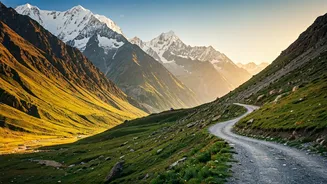
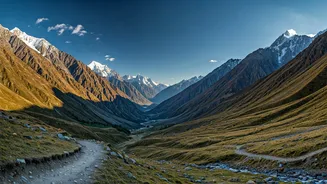
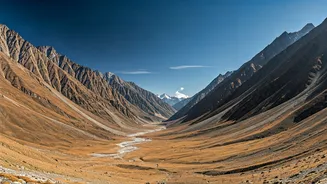
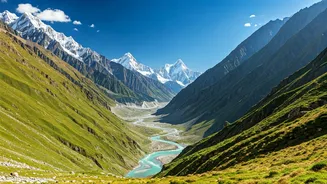
The highway to Ladakh is a front-row seat to one of the planet’s greatest geological theatres. The scenery doesn’t just change; it transforms. On the Srinagar-Leh road, you witness the green meadows around Sonamarg give way to the stark, imposing cliffs of Zoji La. You pass the war memorial in Dras, the second-coldest inhabited place on earth, and drive through the surreal, multi-hued mountains near Lamayuru, often called the ‘Moonland’. The Manali-Leh highway is even more dramatic. It’s a relentless climb through landscapes that feel otherworldly—the hairpin Gata Loops, the wind-swept plains of Sarchu where you might camp for the night, and the impossibly high passes of Tanglang La and Baralacha La. This visual journey strips away any preconceived notions, replacing them with a profound sense of scale and wonder. Each turn reveals a new vista that demands to be felt, not just photographed.
The Mental Reset Button
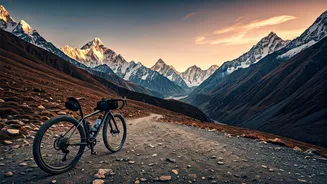
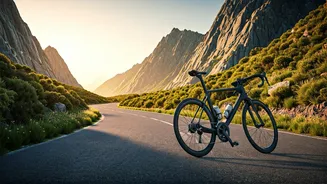
In our hyper-connected world, the long hours on the road in Ladakh offer a rare gift: a forced disconnect. With mobile networks vanishing for vast stretches, you are left with only the road, the music, and your thoughts. This is the mental acclimatisation. The journey forces you to slow down, to be present. The initial restlessness gives way to a meditative calm. You begin to notice the small things: the resilience of a lone cyclist, the flutter of prayer flags sending messages into the wind, the way the shadows crawl across the mountains as the day ends. This enforced simplicity is a powerful mental reset. It clears the clutter of urban life and primes your mind for the profound quietude of Ladakh itself. The clear skies you seek are not just above you; they must first form within you. The highway is the crucible where this inner clarity is forged.