







Powering Down the Nation
A significant portion of India's electricity comes from hydroelectric power plants, which are entirely dependent on monsoon rains to fill reservoirs. A weak or deficient monsoon directly translates to lower water levels in major dams, curbing power generation.
This shortfall creates a significant energy gap that often needs to be filled by burning more coal, which is costlier and increases carbon emissions. The consequences are felt in homes and industries alike, with potential for power cuts and higher energy bills, especially as demand for cooling rises during prolonged dry and humid spells. S&P Global Ratings has warned that a weak monsoon could reduce hydroelectric generation by as much as 10-15%.
The Urban Water Crisis
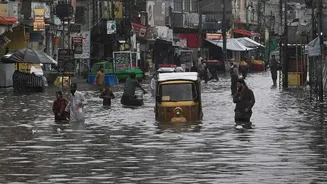
Major Indian cities are already grappling with water scarcity, and a poor monsoon season makes a difficult situation critical. Urban centres from Delhi to Bengaluru and Chennai rely on reservoirs replenished by monsoon rains for their drinking water. When these rains fail, municipal water supplies are stretched thin, leading to rationing, increased reliance on expensive private water tankers, and the over-extraction of already depleting groundwater. This doesn't just cause inconvenience; it can trigger public health issues as sanitation is compromised and the risk of waterborne diseases rises. The paradox is that many cities experience flooding during short, intense bursts of rain but face scarcity weeks later due to poor infrastructure for capturing and storing that water.
An Industrial and Economic Slowdown
The monsoon's impact extends deep into the industrial sector and the broader economy. Lower agricultural output means reduced income for a vast rural population, which in turn suppresses demand for consumer goods. Sales of everything from two-wheelers and tractors to fast-moving consumer goods (FMCG) often decline when rural households tighten their belts. Furthermore, many industries are water-intensive and face operational challenges during periods of scarcity. The combined effect of lower consumer demand and production hurdles can slow overall GDP growth. The Reserve Bank of India has flagged a deficient monsoon as a key risk, as it can strain financial stability and influence monetary policy decisions.
Rising Prices for Everyone
One of the most immediate and widely felt impacts of a weak monsoon is a rise in food inflation. Lower production of essential crops like rice, pulses, and vegetables leads to supply shortages, which naturally pushes prices up. This affects every household's budget, from the poorest to the middle class. Higher food prices can have a cascading effect on overall inflation, forcing the central bank to maintain a cautious stance on interest rates, which can make loans more expensive for individuals and businesses. The economic shock of a poor monsoon begins on the farm but ends at the cash counter for consumers across the country.
The Strain on Public Finances
A struggling agricultural sector places immense strain on government finances. A weak monsoon often necessitates increased government spending on support measures for farmers, such as subsidies for seeds and fertilizers or financial aid packages. The government may also need to import food grains to stabilize prices and ensure food security, which can widen the nation's trade deficit. These unforeseen expenses can divert funds from other essential development projects and put pressure on the national budget, demonstrating how a meteorological event can have significant fiscal implications for the entire country.