




Why Monsoon is a Double-Edged Sword
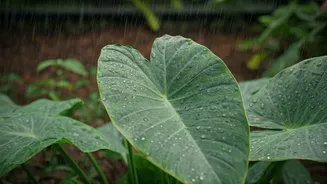
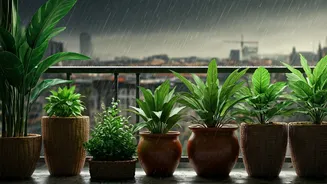
While the lush greenery that follows the first rains is a sight to behold, the relentless downpours of the Indian monsoon pose a unique threat to container plants. Unlike plants in the ground, which benefit from a vast expanse of soil to disperse excess
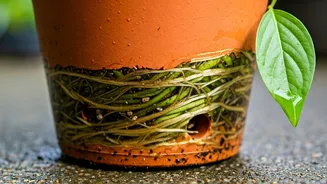
water, potted plants are in a closed system. When it rains heavily for days, the soil in your pots can become completely saturated. This state, known as waterlogging, pushes out all the air pockets from the soil. Plant roots need oxygen to survive and absorb nutrients; without it, they begin to suffocate and die. This leads to a condition called root rot, a fungal disease that can quickly kill an otherwise healthy plant. A quick drainage check is not just about tidiness; it’s about survival.
Spotting the Telltale Signs of Trouble
Your plants will give you clear signals if they are suffering from poor drainage. Don't wait for them to wilt beyond saving. The most obvious sign is soil that remains soggy or muddy to the touch long after the rain has stopped. Another key indicator is the yellowing of leaves, particularly the lower ones, which may droop and fall off. You might also notice stunted growth or a general lack of vigour in your plants. In advanced cases, you may detect a sour or rotten smell coming from the soil, which is a sign of decaying roots. An increase in pests like fungus gnats, which thrive in moist conditions, is another red flag. Catching these signs early gives you the best chance to intervene and save your plant.
Your 5-Minute Drainage Check-Up
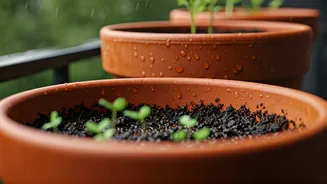
Performing a drainage test is incredibly simple. You don’t need any special tools, just a watering can and your eyes. 1. **Water Thoroughly:** If it hasn't rained recently, give one of your pots a deep watering until you expect water to come out of the bottom. If it has been raining, you can skip this step. 2. **Watch the Flow:** Observe the drainage holes at the base of the pot. Water should begin to flow out freely within a minute or two. If it only trickles out slowly or doesn't emerge at all, you have a blockage. 3. **The Tilt Test:** Gently tip the pot at a 45-degree angle. If a significant amount of extra water gushes out, it means water is pooling at the bottom, a phenomenon known as a 'perched water table'. This indicates your soil mix is too dense or the drainage holes are insufficient. 4. **Repeat for Different Pots:** Don't assume all your pots are the same. Test a few different types (terracotta, plastic, ceramic) and sizes to get a full picture of your balcony's health.
Immediate Fixes for Waterlogged Pots
If you discover a waterlogged pot, you need to act fast. First, stop watering it immediately. Move the plant to a sheltered spot, like under an awning or indoors near a bright window, to protect it from further rain and allow the soil to begin drying out. If the pot is not too heavy, carefully tip it on its side to let all the trapped water drain away. You can also try to gently aerate the soil by poking deep holes into it with a thin stick or skewer, which helps introduce oxygen back to the root zone. However, be careful not to damage the main root ball while doing so. This is a temporary fix, but it can be a lifesaver in a pinch.
Long-Term Solutions for Healthy Drainage
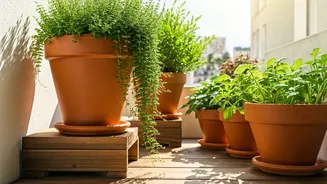
Preventing waterlogging is always better than curing it. The single most effective thing you can do is elevate your pots. Place them on 'pot feet', bricks, or even old bottle caps to lift them an inch or so off the ground. This small gap ensures that drainage holes are never blocked and allows for better air circulation around the base. Regularly check that drainage holes haven't become clogged with compacted soil or roots. If your pot has only one small hole, consider carefully drilling a few more. Finally, your choice of potting medium is crucial. Avoid using heavy garden soil (mitti) alone. Instead, create a lighter, fluffier mix. A good combination is one part soil, one part compost, and one part cocopeat, with a handful of perlite or coarse sand thrown in to create air pockets and facilitate excellent drainage.