





A Craving for Authenticity
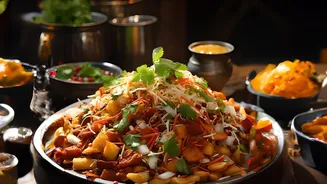
For years, the urban Indian palate has been dominated by a familiar rotation of Punjabi, South Indian, and Indo-Chinese dishes. While beloved, this has often left a vast spectrum of the country's culinary heritage unexplored. Today, however, city dwellers
are increasingly seeking out food that tells a story—dishes that are local, seasonal, and deeply rooted in tradition. This growing appetite for authenticity has created the perfect opening for tribal cuisines, which are now finding their way into mainstream urban dining spaces through pop-ups, collaborations, and, most significantly, cloud kitchens.
From Village Traditions to Urban Kitchens
This movement is spearheaded by a new generation of Adivasi entrepreneurs passionate about preserving and promoting their culture. Take, for instance, the work of entrepreneurs in Jharkhand who are reviving the state's tribal food. Aruna Tirkey, founder of Ajam Emba in Ranchi, has been a pioneer in this space. Inspired by a win at a government-run food competition, she began a journey to document and serve traditional Oraon community dishes, creating a value chain that supports local farmers. Similarly, Kapil Toppo started Mandi Eddpa to make Jharkhandi cuisine accessible to a younger crowd. While many of these ventures began as physical restaurants in their home states, their success has illuminated a path for home chefs and entrepreneurs in larger metros like Delhi, Mumbai, and Bangalore to follow suit using the lean cloud kitchen model.
What's on the Menu?
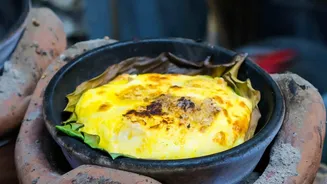
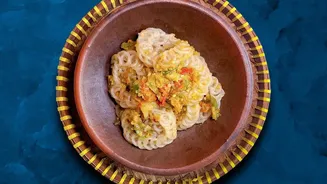
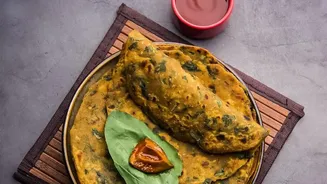
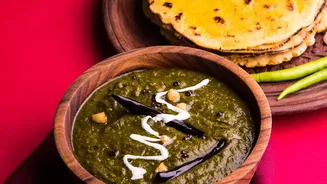
The food itself is a revelation, showcasing ingredients and cooking techniques seldom seen in commercial kitchens. Dishes are often defined by their connection to nature and seasonality. You might find starters made from foraged wild greens and flowers like `jirhul phool chokha` (mashed potatoes with jirhul flowers). Main courses could include slow-cooked bamboo mutton, a delicacy from Odisha, or hearty lentils seasoned with unique local herbs. Ingredients like `mahua` flowers are used to create everything from sweet dishes like `mahua kheer` to savory preparations. These menus are a direct reflection of the forests and farms where these communities have lived for centuries, offering a taste that is both ancient and refreshingly new.
The Cloud Kitchen Advantage
The cloud kitchen, or 'ghost kitchen', model has been a game-changer for these niche culinary ventures. By eliminating the need for expensive dine-in spaces, high rents, and front-of-house staff, it dramatically lowers the barrier to entry. Entrepreneurs can operate from a small commercial kitchen, focusing their resources on sourcing quality ingredients and perfecting their recipes. Marketing and orders are managed primarily through social media and food delivery apps, allowing them to connect directly with a dedicated customer base. This model is perfectly suited for hyper-regional cuisines, as it allows chefs to build a loyal following without needing the mass-market appeal required to sustain a traditional restaurant.
More Than Just a Meal
The 'cult following' these kitchens build is about more than just good food; it's about community and cultural connection. For migrants from these regions, ordering a meal is a taste of home. For urban food explorers, it's an opportunity to engage with a culture in an authentic, meaningful way. The entrepreneurs often share the stories behind their dishes on social media, educating customers about the ingredients and their cultural significance. This creates a powerful bond between the chef and the diner, turning a simple delivery order into a participatory cultural experience. This isn't just business; it's a movement towards preserving culinary heritage and fostering economic empowerment for communities that have long been on the margins.