





Meet Kanji: The Original Probiotic Powerhouse
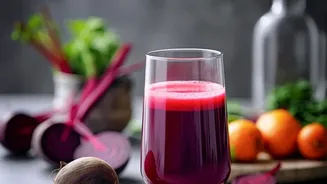
Before kombucha was a household name, there was Kanji. This traditional North Indian drink is a fermented beverage, most famously made from black carrots (kala gajar), though beetroot is often used to impart a similar deep, purplish hue. The preparation
is beautifully simple: carrots or beets are chopped and placed in a large glass jar with water, salt, and coarsely ground mustard seeds. The jar is then left in the sun for several days to ferment, a process that transforms the simple ingredients into a tangy, savoury, and slightly fizzy drink. Traditionally prepared in winter and a staple during the Holi festival, Kanji has been a household remedy and digestive aid for generations, long before “probiotics” became a wellness buzzword.
The Global Craze for Gut Health
The resurgence of Kanji is perfectly timed with the global obsession with gut health. We now know that the fermentation process which creates Kanji also cultivates a rich ecosystem of beneficial bacteria, or probiotics. These microorganisms are essential for maintaining a healthy gut microbiome, which in turn impacts everything from digestion and immunity to even mood. Much like its globally recognised fermented cousins, kimchi and kefir, Kanji delivers a potent dose of these good bacteria. Health-conscious consumers, increasingly aware of the connection between a healthy gut and overall wellness, are actively seeking out natural, food-based probiotic sources. Kanji fits this need perfectly, offering an indigenous alternative that feels both authentic and effective.
A Modern Makeover for an Ancient Drink
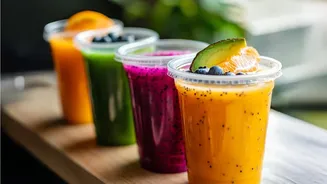
Modern juice bars and health cafes are embracing Kanji, but not just in its traditional form. They are innovating, using its unique flavour profile as a base for a new generation of health drinks. You might find it served as a tangy “wellness shot” to kickstart digestion, or blended into smoothies to add a probiotic punch and a vibrant colour. This revival is part of a larger trend of celebrating and marketing traditional Indian foods as premium, health-focused products. By placing it alongside kombucha and cold-pressed juices, cafes are reframing Kanji for a new, urban audience—one that values both ancient wisdom and modern convenience. This movement is about remembering what we already knew and packaging it for today's lifestyle.
The Perfect Fit for Plant-Based Diets
Another key driver of Kanji’s popularity is the explosive growth of plant-based eating in India. As more people, particularly younger generations, move towards vegan or vegetarian lifestyles for health, ethical, and environmental reasons, the demand for nutrient-dense, plant-derived foods is soaring. Kanji is naturally vegan, gluten-free, and dairy-free. It's a low-calorie drink packed with fiber and antioxidants from its vegetable base, primarily black carrots, which are known to be rich in anthocyanins. This makes it an ideal beverage for those following a plant-based diet, providing essential nutrients and gut-supporting benefits without any animal products.
A Return to Our Roots
Ultimately, the trend of Kanji in juice bars is about more than just health; it's a cultural reclamation. For years, wellness trends were often imported, but there's a growing movement to look inward and celebrate India’s rich culinary and medicinal heritage. Bringing a drink like Kanji from grandmother's kitchen to a trendy cafe menu is a powerful statement. It reflects a growing confidence in local food traditions and a desire to connect with practices that are both sustainable and deeply rooted in Indian culture. It’s a delicious and healthy reminder that sometimes, the most innovative trends are the ones that have been with us all along, just waiting to be rediscovered.