





A Tradition Rooted in Nature
In India, the sight of marigold garlands, or 'genda phool', instantly evokes a sense of celebration and positivity. These golden-hued flowers are deeply woven into the cultural fabric, adorning homes during festivals like Diwali, framing sacred vows at weddings,
and welcoming guests during housewarmings. Their vibrant orange and yellow colours are considered auspicious, symbolizing prosperity, happiness, and the energy of the sun. For generations, these flowers have been an essential part of rituals and ceremonies, offered to deities like Goddess Lakshmi and Lord Ganesha to invite blessings and remove obstacles. This long-standing tradition is not just about faith; it's about connecting with nature's beauty to mark life's most meaningful moments.
The Sustainable Choice for Modern Homes
In an era of conscious consumerism, fresh marigold garlands offer a compelling alternative to plastic or synthetic decorations. Unlike artificial decor which contributes to landfill waste, fresh flowers are completely biodegradable. They return to the earth, enriching the soil rather than polluting it. Opting for fresh, locally sourced marigolds also reduces the carbon footprint associated with manufacturing and transporting plastic goods. It supports local florists and farmers, strengthening community economies. Furthermore, the strong, pleasant scent of marigolds is a natural pest repellent, which can help keep insects out of the home—a practical benefit that their plastic counterparts cannot offer.
Designing Your Marigold Backdrop
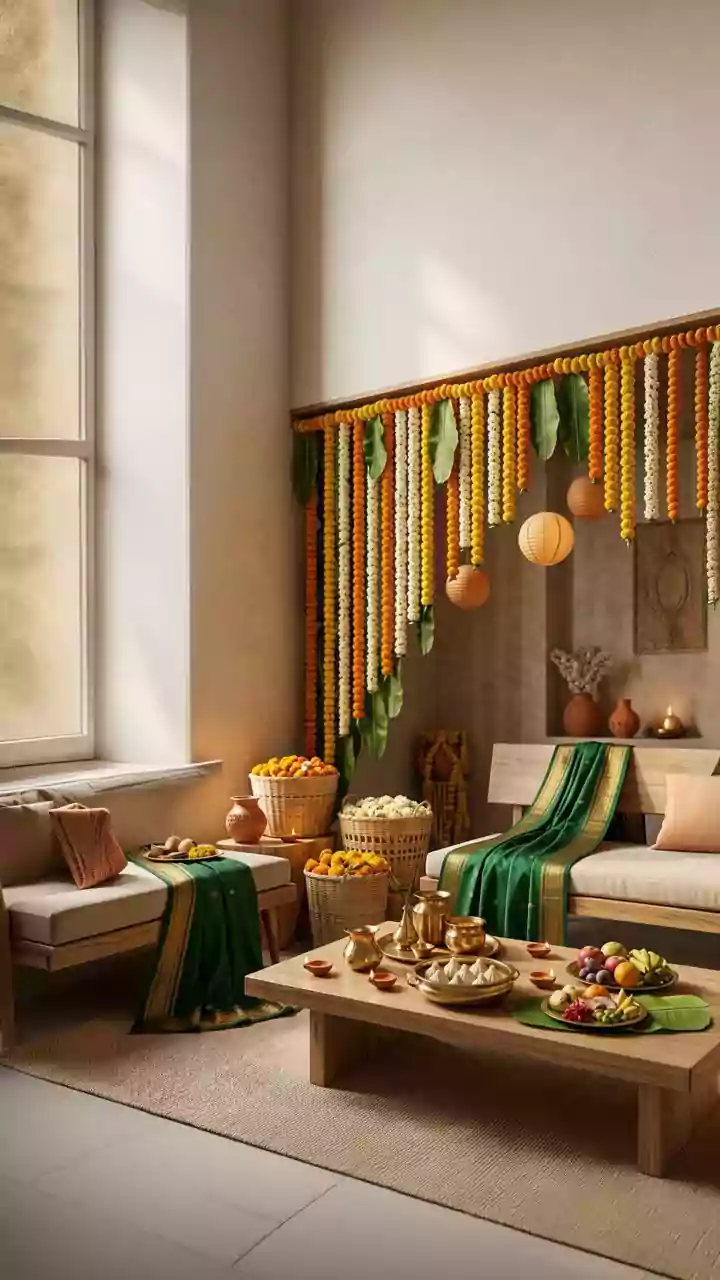
Creating a stunning living room backdrop with marigolds is both simple and incredibly effective. The classic approach involves hanging long strands of garlands vertically against a plain wall, creating a curtain of vibrant colour that can serve as a photo booth or simply a focal point. For a more modern twist, you can create geometric patterns or an ombre effect by mixing different shades of orange and yellow. Don't hesitate to combine marigolds with other natural elements. Weaving in green mango leaves for a traditional 'toran' effect, or interspersing the garlands with small bells or jasmine flowers, adds texture and sensory depth. Another creative idea is to drape the garlands from a wooden branch or suspend them in hoops for a bohemian-inspired look. You can also lay them across a mantelpiece or entwine them with fairy lights for a warm, inviting glow.
Keeping Your Garlands Fresh and Fragrant
While fresh garlands are beautiful, their lifespan is finite. However, with a little care, you can keep them looking vibrant for several days. Marigolds are quite hardy, but they will naturally begin to wilt within 48 to 72 hours. To maximize their freshness, it's best to keep them in a cool environment and away from direct sunlight and heat sources. Gently misting the garlands with water once or twice a day will help them retain moisture and stay fresh longer. If you prepare the garlands ahead of an event, you can store them in the refrigerator to slow down the wilting process until you are ready to display them.
The Afterlife of Your Floral Decor
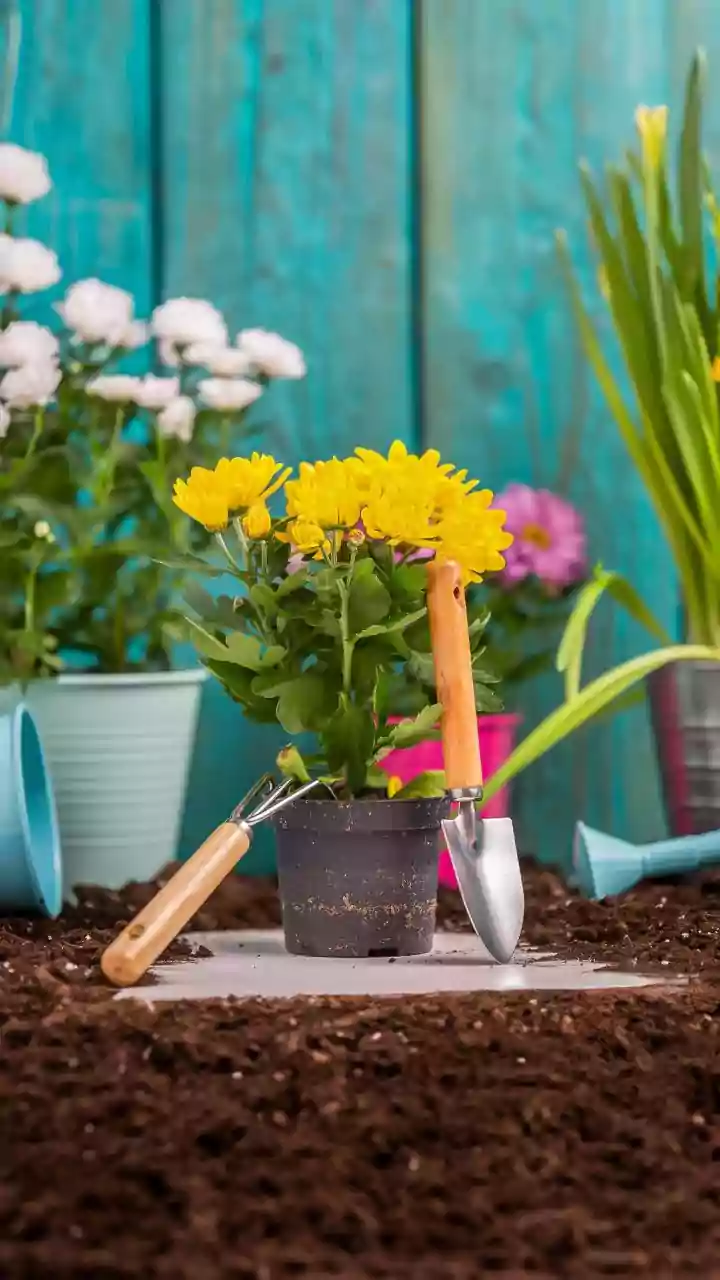
The eco-friendly journey of your marigold decor doesn't end when the flowers start to fade. Once they have dried, these blooms can be easily composted. By adding them to your compost pile, you are returning valuable organic matter to the soil, creating nutrient-rich compost for your garden or houseplants. Before composting, ensure you remove any non-biodegradable materials like synthetic thread or wires. The dried petals can also be saved. If the flowers were grown organically, their petals can be used in teas or as a colourful garnish. Alternatively, you can collect the dried seeds from the base of the flower head to plant in your garden for the next season, bringing the entire process full circle.