


The Golden Rule: Master The Art of Layering
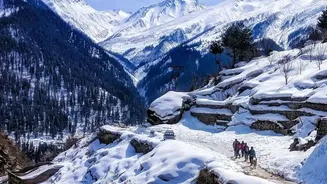
The single most important principle for staying warm on a winter trek is layering. Instead of one bulky jacket, a system of multiple layers allows you to adapt to changing temperatures. The weather on a Himalayan trail can shift from sunny and pleasant
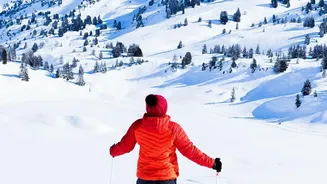
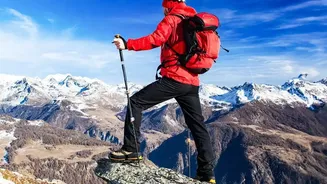
to windy and freezing in hours. The system has three main parts. Your base layer, worn against the skin, should be made of a moisture-wicking material like merino wool or synthetic polyester; its job is to pull sweat away from your body to keep you dry. Avoid cotton at all costs, as it holds moisture and makes you cold. The mid-layer provides insulation by trapping your body heat. A fleece jacket or a light down jacket works perfectly. Finally, the outer layer, or shell, is your shield against wind and snow. This should be a waterproof and windproof jacket and a pair of waterproof pants.
Your Foundation: The Right Footwear
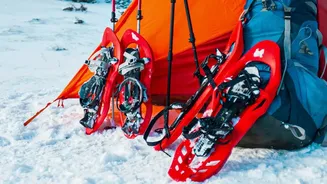
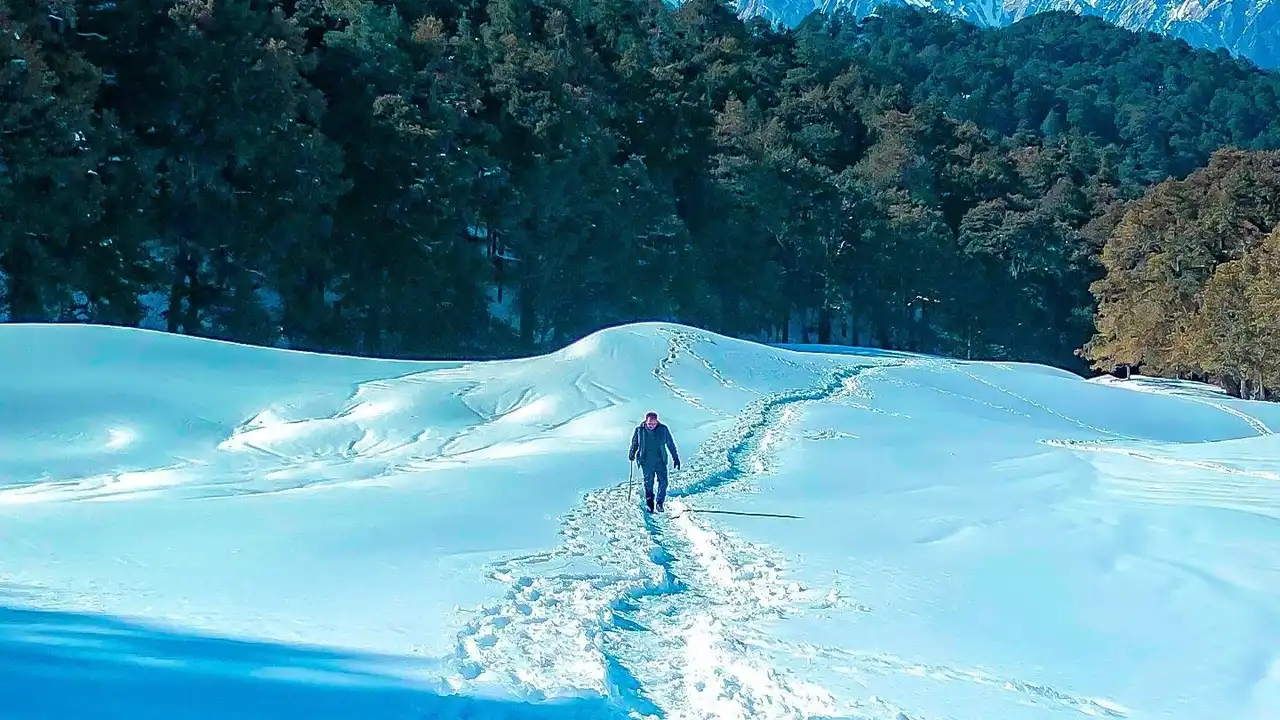
Your feet are your most critical asset on a trek, and the wrong shoes can ruin the experience. For Indian winter routes like Kedarkantha or Brahmatal, which involve walking on snow and ice, your shoes must be waterproof and have high ankle support. High-ankle boots prevent sprains on uneven, snow-covered terrain. The sole should have deep lugs for a firm grip on slippery surfaces. When buying shoes, always choose a pair that is one size larger than your regular size to accommodate thick woollen socks and natural foot swelling during long walks. Never wear brand-new shoes directly on a trek; break them in by wearing them for short walks for at least a week beforehand.
Essential Accessories for Warmth and Safety
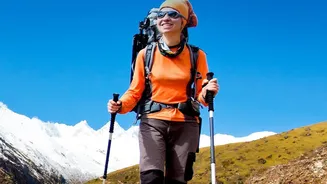
Small items can make a big difference in sub-zero conditions. A warm woollen cap or beanie is non-negotiable, as a significant amount of body heat is lost through your head. A balaclava or neck gaiter protects your face and neck from biting winds. For your hands, a two-glove system is ideal: a thin pair of fleece liner gloves for dexterity and a thick, insulated, waterproof pair over them. Sunglasses are crucial. Snow glare can be intense, and UV-protection sunglasses are necessary to prevent snow blindness. Also essential are a headlamp for navigating in the dark (days are shorter in winter), a water bottle that won't freeze (an insulated thermos is best), and a few pairs of thick woollen socks, keeping one pair reserved only for sleeping to ensure your feet are always warm at night.
Carrying It All: Backpacks and Poles
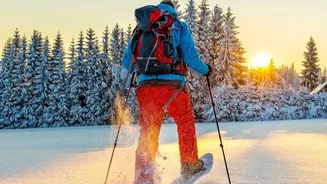
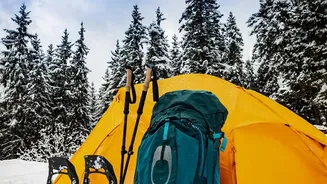
For a multi-day winter trek, you will need a backpack with a capacity of 50-60 litres to carry your layers, water, snacks, and other essentials. Ensure the backpack has good shoulder and hip support to distribute the weight evenly. If you are offloading your main backpack onto a porter or mule, a small daypack (20-30 litres) is useful for carrying essentials you'll need on the trail, like your water bottle, snacks, and outer jacket. Trekking poles are highly recommended for beginners. They provide stability on tricky terrain and reduce the strain on your knees, especially during steep descents.
A Common Question: Should I Rent or Buy?
For a first-time trekker, the cost of buying a full set of winter gear can be substantial, often running from ₹15,000 to ₹25,000. Renting is a far more cost-effective option if you only plan to trek occasionally. Many trek operators and rental shops in base camp towns like Dehradun offer quality gear, including jackets, shoes, and sleeping bags, for a fraction of the purchase price. However, it is generally recommended to buy personal items like base layers and trekking shoes. Shoes, in particular, benefit from being broken in and perfectly fitted to your feet. For expensive, occasional-use items like a sub-zero down jacket or a sleeping bag, renting is a smart choice.