







An Ancient Culinary Philosophy
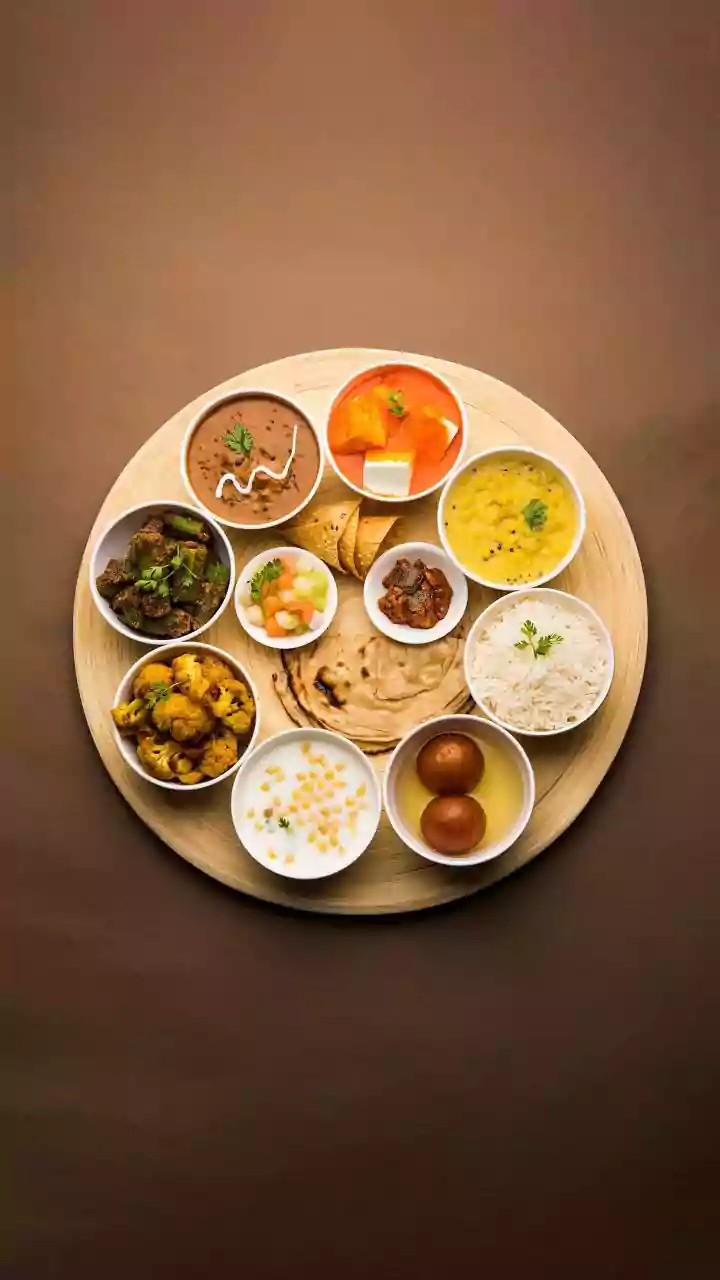
Long before global food trends were a talking point, Indian culinary philosophy, deeply rooted in Ayurveda, recognized the importance of balancing six essential tastes (Shad Rasa): sweet, salty, bitter, pungent, astringent, and sour (Amla). Sour is considered
a stimulant for appetite and digestion, a flavour that awakens the palate and cuts through richness. Indian cooking is a masterclass in this balance; a creamy, sweet korma is often offset by a tangy pickle, and a fiery curry is mellowed with a side of cooling, sour yogurt. It's this innate understanding of flavour dynamics that makes sour not a discovery, but a cornerstone of our food identity.
The Ubiquitous Reign of Tamarind
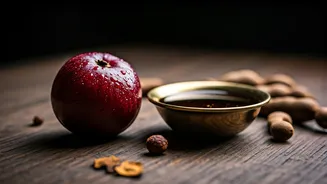
If there is one souring agent that unites the country, it is tamarind, or imli. From the Arabic 'Tamar-Hind', meaning 'Indian date', this sticky, dark pulp provides the distinctive sweet-and-sour backbone to countless dishes. It’s the soul of South Indian sambar and rasam, the tangy kick in chaat and pani puri water, and the complex base for chutneys served with samosas nationwide. While a squeeze of lime can be a substitute, it can never quite replicate the deep, fruity complexity that tamarind imparts, proving its indispensable role in the Indian flavour pantry.
Northern Tang and Dry Delights
Travel north, and the souring agents adapt to the climate and produce. Here, dried powders are king. Amchur, made from sun-dried unripe green mangoes, offers a sharp, astringent tartness to everything from chana masala to lentil dishes (dals). It's a clever way to preserve the flavour of mango season year-round. Then there’s anardana, the dried seeds of pomegranates, which give a distinct, gritty tartness to Punjabi chole and various stuffings. It adds a flavour and texture that the more common tomato simply can’t match. Yogurt, or dahi, is another northern staple, used to tenderize meats in marinades for kebabs and to provide a creamy, tangy base for courtly curries and everyday kadhi.
Coastal Gems and Regional Treasures
India’s vast coastline and unique regional ecosystems have given rise to a stunning variety of local souring agents. Along the western Konkan coast, from Maharashtra to Goa and parts of Karnataka, kokum is the star. The sun-dried rind of the purple fruit from the mangosteen family gives a beautiful rosy hue and a unique, slightly floral sourness to fish curries and lentils. It’s also the base for the famous cooling drink, sol kadhi. Venture further south to Coorg in Karnataka, and you’ll discover kachampuli, a dark, viscous vinegar made from the Garcinia gummi-gutta fruit. This potent, almost black liquid is the signature flavour in the region's famous pandi (pork) curry, adding a smoky sourness that is entirely unique. In the East, Assam has its own array of souring agents, including thekera (a relative of mangosteen) and otenga (elephant apple), which give the tangy fish curry, masor tenga, its name.
Not a Trend, but a Tradition
The diversity is astonishing. From the wild berry kachri powder in Rajasthan that acts as both a souring agent and a meat tenderizer, to the use of hog plum (ambade) along the Konkan coast and native olives (jolpai) in Tripura, the story is the same. Each region has found its own perfect way to pucker up, using local ingredients to create a balanced and exciting plate. These ingredients are not novelties; they are pillars of regional culinary identity, passed down through generations. They represent a deep, intuitive knowledge of how to make food sing.