





Monsoon's Progress and Official Warnings
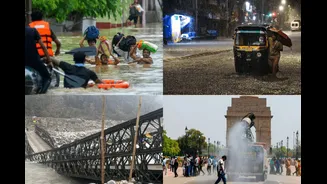
The 2026 southwest monsoon has advanced across the country, bringing heavy rainfall to several regions. The India Meteorological Department (IMD) has issued warnings for multiple states. As of late June, heavy to very heavy rainfall is expected in Northeast
India, Sub-Himalayan West Bengal, Sikkim, and the Konkan coast. Hill states like Uttarakhand and Himachal Pradesh are also on alert for increased rainfall from late June into early July, which heightens the risk of landslides and localized disruptions. While the overall monsoon is forecast to be slightly below normal, this doesn't reduce the danger, as the primary risk comes from short, intense bursts of rain that can trigger landslides even in a weaker season. Authorities are advising travelers to monitor weather updates closely before and during their trips.
The Unseen Danger: Landslides and Roads
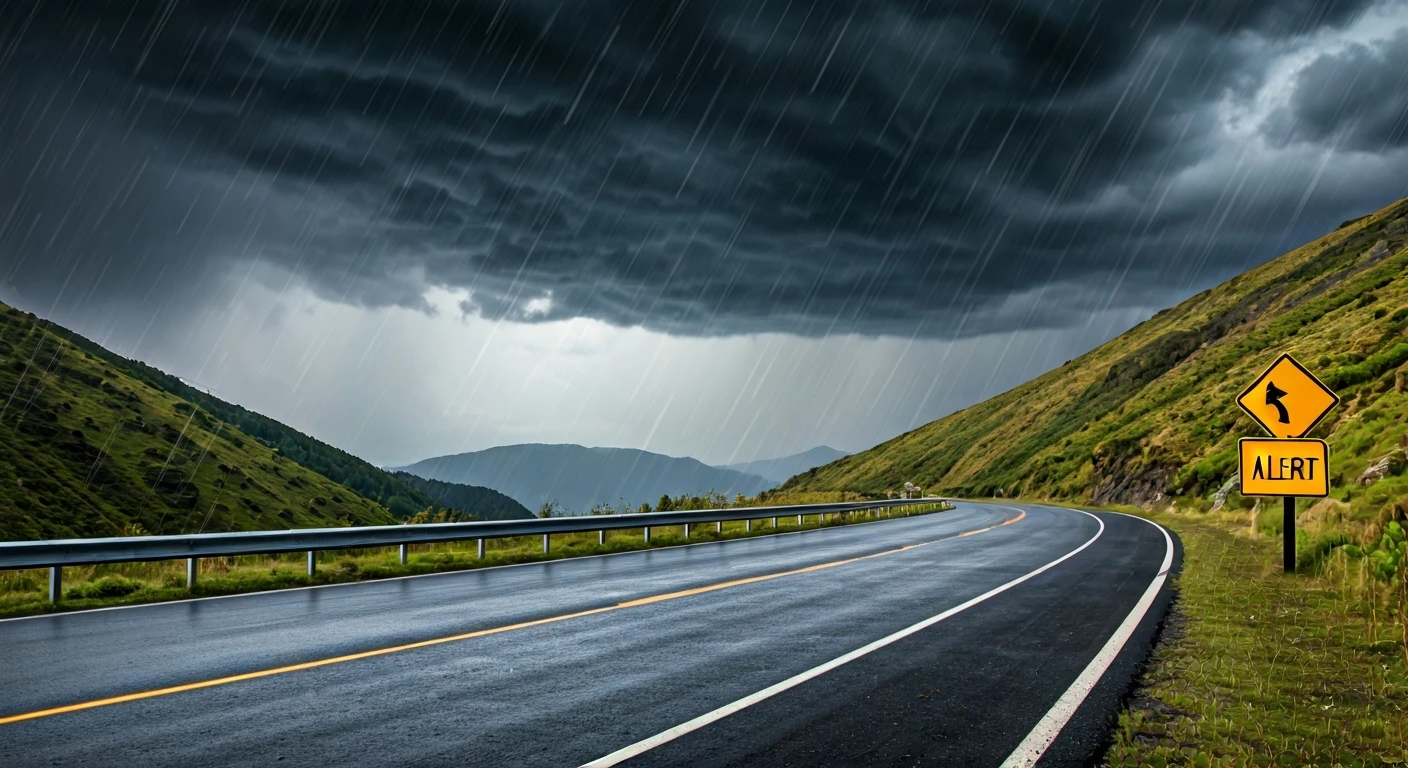
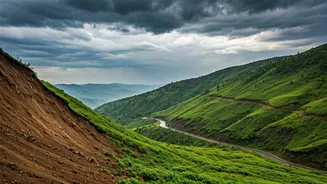
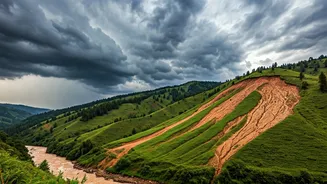
The single greatest threat during monsoon hill travel is landslides. Heavy rains saturate soil on steep slopes, leading to mudslides, rockfalls, and entire sections of roads washing away. Key national highways, especially in Himachal Pradesh, Uttarakhand, and Sikkim, are notoriously vulnerable. Stretches like the Char Dham route in Uttarakhand, the Kullu-Manali corridor, and National Highway 10 to Sikkim and Darjeeling are frequently affected. The government is implementing advanced monitoring systems, including satellite-based landslide detection on some routes, but risks remain high. It's crucial to avoid travelling at night when visibility is poor and rescue operations are difficult. Always have a backup plan and be prepared for long delays if you get stranded due to a road blockage.
Your Pre-Trip Safety Checklist
Before you even pack your bags, responsible planning is key. First, check the weather forecast and any advisories from the IMD and local disaster management authorities for your chosen destination. Choose your destination wisely; some areas are more prone to severe monsoon impacts than others. Consider destinations in the Western Ghats like Mahabaleshwar or Lonavala, but be aware that these regions also face heavy rain alerts. When booking accommodation, ask about the property’s accessibility and safety record during heavy rains. Confirm their cancellation or rescheduling policy in case of weather-related disruptions. Inform family or friends of your detailed itinerary and establish check-in times.
Pack Smart for Monsoon Realities
Monsoon travel requires a specific packing list. Lightweight, quick-drying clothes are essential. Absolutely do not forget a reliable raincoat or poncho and waterproof footwear with good grip to handle slippery paths. A waterproof backpack or a rain cover for your luggage is a must to protect your belongings, especially electronics. Carry a power bank, as power cuts can be common. A basic first-aid kit with antiseptic creams, bandages, and medication for common ailments like colds is highly recommended. Finally, an insect repellent is crucial, as the rainy season sees a surge in mosquitoes and other bugs.
On The Ground: Staying Alert
Once you're at your destination, remain vigilant. Avoid eating street food and drinking tap water to prevent waterborne diseases; stick to bottled water and freshly cooked hot meals. Be extremely cautious around rivers and waterfalls. Water levels can rise suddenly and without warning. Avoid getting too close to gushing streams or taking a dip in swollen water bodies. If you're driving, go slow, use your headlights in fog or heavy rain, and never attempt to cross a flooded road or a small stream that has become a torrent. It is always safer to use local transport or hire an experienced local driver who understands the terrain and its risks.