





The Glow That Halts Sleep
The most well-known culprit of late-night phone use is the blue light emitted from screens. This specific wavelength of light is a powerful signal to our brains, mimicking daylight. Exposure in the evening confuses our internal body clock, or circadian
rhythm, by suppressing the production of melatonin, the hormone that tells your body it is time to sleep. Research has consistently shown that this hormonal suppression can make it significantly harder to fall asleep, delay your sleep onset, and reduce overall sleep quality. While many phones now offer a 'night mode' to warm the screen's colour temperature, the core issue of stimulation remains.
A Mind That Refuses to Log Off
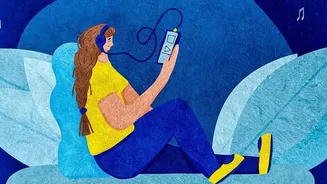
Beyond the biological effects of light, there is the psychological impact of the content we consume. Scrolling through social media, reading stressful news headlines, or checking work emails keeps our minds engaged and alert precisely when they should be winding down. This cognitive and emotional stimulation can trigger feelings of anxiety, stress, or excitement, all of which are counterproductive to relaxation and sleep. Instead of transitioning into a restful state, the brain stays in problem-solving or social-monitoring mode. This can lead to a racing mind in the dark, making it difficult to find the mental quiet needed for sleep.
The Rise of 'Revenge Bedtime Procrastination'
For many, late-night phone use is not just a mindless habit but a conscious trade-off. This phenomenon has been termed 'revenge bedtime procrastination', where individuals who lack free time during the day sacrifice sleep to reclaim a few hours for personal leisure. People with demanding jobs, students, and parents of young children are particularly vulnerable. They use the quiet hours to scroll, watch, and connect, seeking the immediate gratification they were denied during their busy schedules. While it feels like a form of self-care, this behaviour is ultimately a form of self-sabotage, as the resulting sleep deprivation negatively impacts health, mood, and even the ability to function the following day.
The Long-Term Toll of a Modern Habit
An occasional late night scrolling session may not cause significant harm, but when it becomes a chronic habit, the consequences compound. Numerous studies link poor sleep quality and duration to a host of serious health problems. These include an increased risk of mood disorders like depression and anxiety, a weakened immune system, and metabolic issues such as weight gain and an increased risk of diabetes. Cognitive functions like memory, focus, and decision-making are also significantly impaired by insufficient sleep, impacting performance at work and school. Each hour spent on a screen in bed can lead to measurable sleep loss, which adds up over time.
Reclaiming Your Bedtime Ritual
Breaking the cycle doesn't have to mean abandoning your phone entirely. The goal is to create mindful boundaries. Experts recommend establishing a 'digital sunset'—a screen-free buffer zone of at least 30 to 60 minutes before bed. Consider leaving your phone to charge in another room overnight to avoid temptation. Replace scrolling with calming activities that signal to your brain that it's time to rest. This could include reading a physical book, listening to soothing music, gentle stretching, taking a warm bath, or journaling. The key is to find a relaxing routine that you enjoy, making it an easy and positive alternative to the endless scroll.