




Your Cosmic Connection to Halley's Comet
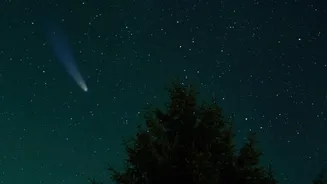
Each October, Earth passes through a stream of cosmic dust left behind by one of history's most famous comets: Halley's Comet. These tiny, sand-sized particles burn up in our atmosphere, creating the brilliant streaks of light we know as the Orionid meteor
shower. They are known for being incredibly fast, entering the atmosphere at around 66 kilometres per second, which often results in bright, beautiful displays. While Halley's Comet itself only visits the inner solar system every 76 years—with its next appearance due in 2061—its legacy lights up our sky annually, making the Orionids a direct link to this legendary celestial wanderer.
When and Where to Look in October 2026
The key to catching any meteor shower is timing. The Orionids will be active from early October to early November, but the best time to watch will be during the peak. For 2026, mark your calendar for the pre-dawn hours of October 21st and 22nd. This year, a bright waxing gibbous moon will light up the sky for the first part of the night, making fainter meteors harder to see. However, there is a perfect window of opportunity for city dwellers: the moon is expected to set around 3 a.m. This leaves the sky dark from then until dawn, creating the ideal conditions for spotting the shower. Find a spot with an open view of the sky and plan for an early morning.
The Most Important Tool: Your Eyes
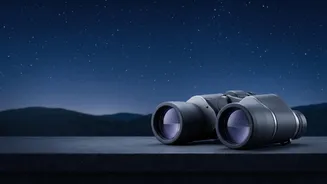
The best instrument for watching a meteor shower is the one you already have: your own eyes. Telescopes and binoculars have a narrow field of view, which means you would miss most of the action. The secret is to take in as much of the sky as possible. To do this effectively, your eyes need to adapt to the darkness, a process that can take 20 to 30 minutes. This means finding a spot away from direct streetlights and putting your phone away. The glow from a screen can instantly ruin your night vision. Once your eyes have adjusted, you will begin to see far more stars and, with a bit of patience, the fleeting streaks of the Orionids.
Simple Techniques for Urban Viewing
While escaping to the countryside offers the best views, it's not always practical. To maximize your chances in the city, find the darkest possible location. This could be a local park, a sports field, or even a backyard that's shielded from streetlights. Lie back on a blanket or reclining chair so you can look straight up comfortably without straining your neck. The meteors are named Orionids because they appear to radiate from the constellation Orion, but you don't need to stare at it directly. In fact, meteors seen 45 to 90 degrees away from the radiant point will appear longer and more dramatic. Simply relax and look up at the darkest patch of sky you can find. Meteors can appear anywhere.
Setting Realistic Expectations
Under perfect, dark-sky conditions, the Orionids can produce about 15 to 25 meteors per hour. In a city, light pollution will significantly reduce this number. Don't expect a constant downpour of shooting stars. Instead, think of it as a quiet, patient form of nature watching. You might see nothing for several minutes, and then spot a few in quick succession. The reward is in the experience: a moment of quiet wonder as you watch ancient comet dust create a brief, brilliant flash across the urban sky. Bring a warm drink, get comfortable, and enjoy the celestial show.