


The Allure of Autumn
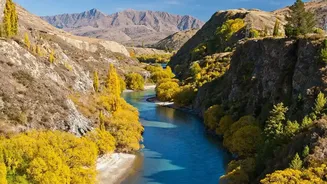
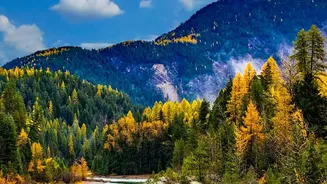
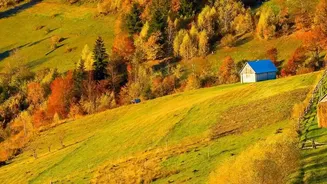
The period from September to November is arguably the best time to visit this region. The monsoon has washed the landscape clean, leaving behind vibrant greenery and crystal-clear skies. The air is crisp, and the forests are painted in hues of gold and orange,
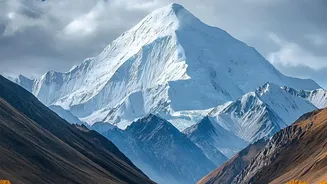
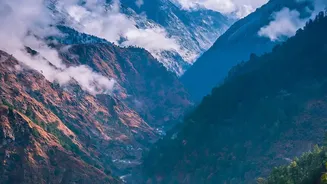
offering spectacular panoramic views of the Himalayas. Temperatures are pleasant, typically ranging from 10°C to 25°C, making it ideal for the outdoor activities that define this region. With fewer tourists than in the peak summer months, you can experience the profound silence of the mountains, interrupted only by the rustling of leaves and the sound of the flowing river.
Shoja: A Hamlet of Serenity
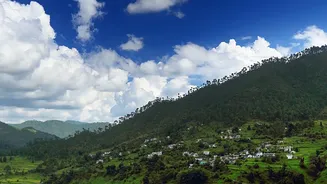
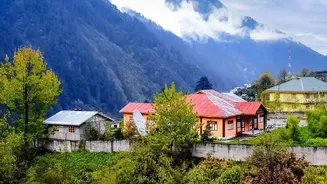
Perched at an altitude of over 8,000 feet, Shoja is a small, pristine village that feels a world away from everything. Surrounded by dense deodar and oak forests, it's the perfect base for those seeking peace and quiet. One of the must-do excursions from Shoja is the drive up to Jalori Pass, a high mountain pass connecting the Kullu and Shimla regions. From the pass, two popular and relatively easy treks await. A 5-kilometre forested walk leads to the tranquil Serolsar Lake, a pristine water body with a sacred temple on its banks. In the other direction, a shorter, steeper climb takes you to the ruins of Raghupur Fort, which offers breathtaking 360-degree views of the surrounding valleys and peaks.
Tirthan Valley: The River's Paradise
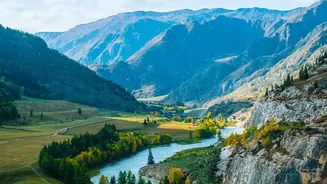
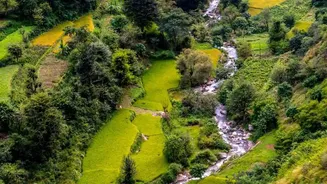
Down in the valley, the Tirthan River flows with pristine, turquoise water, creating a landscape of unparalleled beauty. This area is the gateway to the Great Himalayan National Park (GHNP), a UNESCO World Heritage Site renowned for its incredible biodiversity. The valley’s charm lies in its intimate hamlets like Gushaini and Nagini, where life moves at a slower pace. Days here are best spent on gentle riverside walks, trying your hand at trout fishing (a permit is required), or simply finding a quiet spot to read by the water. For the more adventurous, guided hikes into the GHNP ecozone offer a chance to explore dense forests and perhaps spot exotic birds.
Finding Your Green Retreat
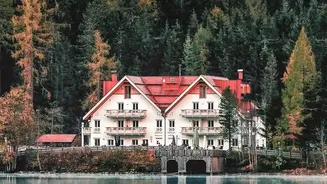
What truly sets this region apart is its commitment to eco-tourism, reflected in the many family-run homestays and sustainable lodges. These retreats are often built using traditional Kath-Kuni architecture—a mortar-free method of interlocking stone and wood—and prioritize an earth-friendly experience. Properties like Sunshine Himalayan Cottages and Tirthan Ecostay are known for their organic farms, use of local materials, and deep connection to nature. Others, such as Raju's Cottage, have become legendary for their warm hospitality and meals made from fresh, farm-to-table produce. Choosing to stay in one of these homestays not only provides an authentic cultural experience but also directly supports the local communities that are the custodians of this fragile ecosystem.
Practical Guide for Your Trip
Reaching Shoja and Tirthan Valley is part of the adventure. The most common route from Delhi or Chandigarh is by road via Mandi to Aut. At Aut, you leave the main Kullu-Manali highway and turn into the Banjar Valley, which leads to Jibhi, Shoja, and Tirthan. The journey from Delhi is approximately 500 kilometres and can take 12-14 hours. While some direct buses might be available to Shoja, a common approach is taking an overnight bus to Aut and then hiring a local taxi for the final leg of the journey. Remember that mobile connectivity can be patchy, and ATMs are scarce, so it’s wise to carry sufficient cash.