




The Great Indian Burnout
The hustle culture that once defined urban ambition in India is showing its cracks. After years of chasing targets, navigating chaotic commutes, and staying connected 24/7, many young professionals are hitting a wall. This isn't just typical work stress;
it's a deeper exhaustion known as burnout, a state of emotional, physical, and mental depletion. The post-pandemic era, with its blurred lines between home and office, only accelerated this phenomenon. The frantic, checklist-driven weekend getaways—flying in on a Friday night and out on a Sunday evening, desperate to ‘see it all’—have started to feel like just another task on an endless to-do list, offering little genuine rest.
What Is Slow Travel, Really?
Enter slow travel. The term might sound like another wellness buzzword, but its philosophy is simple and profound. It’s the antithesis of the jam-packed itinerary. Instead of racing to tick off ten tourist spots in three days, slow travel encourages you to stay in one place for longer. It’s about renting a quiet homestay for a week, not just a hotel for a night. It’s about getting to know the local baker, finding a favourite chai spot, and taking unplanned walks with no destination in mind. The goal isn't to see a place, but to experience it; to connect with its pace, its people, and its culture in a more meaningful way. It prioritises depth over breadth, trading a whirlwind tour for genuine immersion.
An Antidote to the Hustle
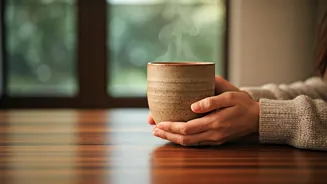
The appeal for the burnout generation is obvious. When your mind is cluttered with deadlines and notifications, the last thing you need is a holiday that requires military-grade planning. Slow travel offers permission to do less. It replaces the pressure of sightseeing with the simple joy of being. This shift has a direct impact on mental well-being. By removing the frantic schedule, the mind gets a chance to quiet down. Instead of experiencing a destination through a phone screen while rushing to the next spot, you’re present. This deliberate pace helps regulate a frazzled nervous system, reduces decision fatigue, and fosters a sense of connection—both to the place you’re in and to yourself.
From Himachal to Kerala's Backwaters
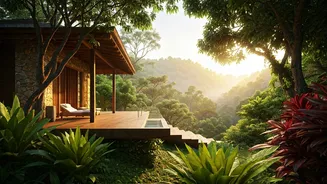
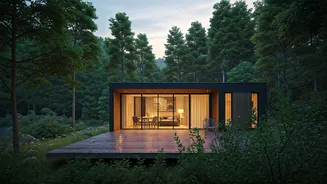
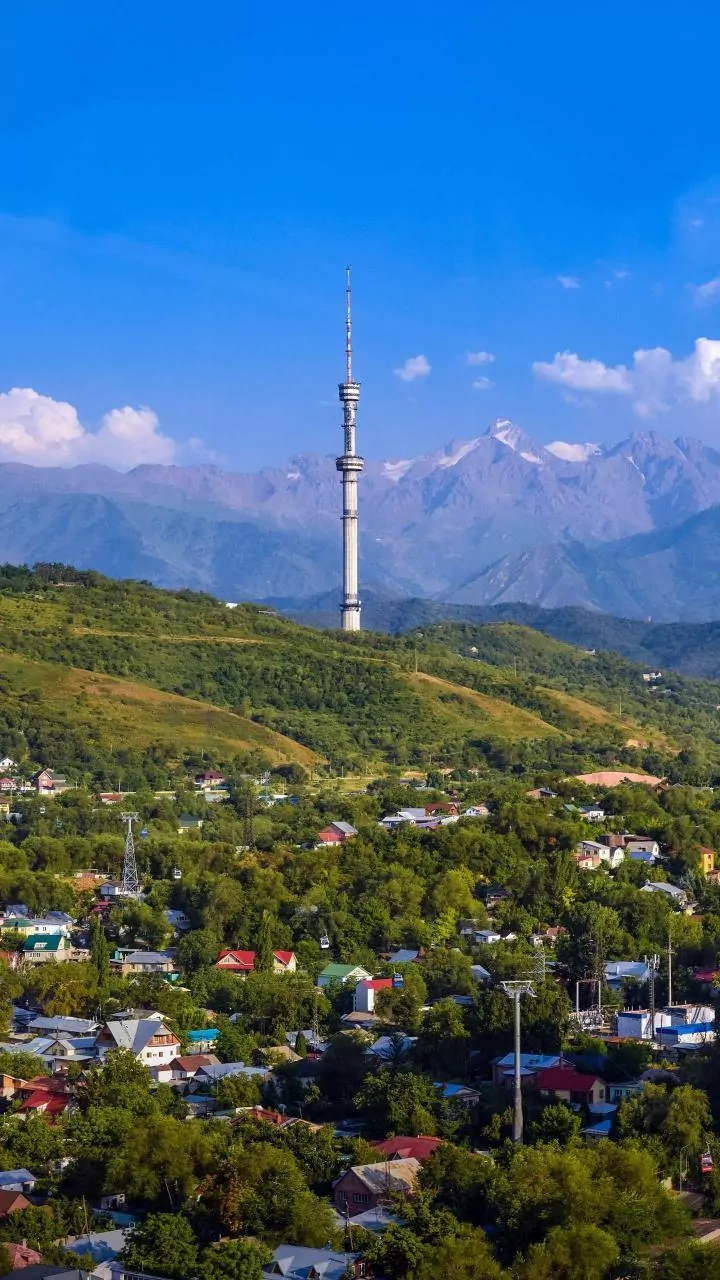
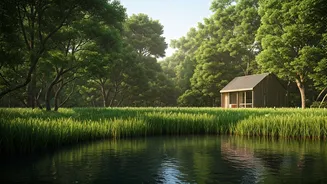
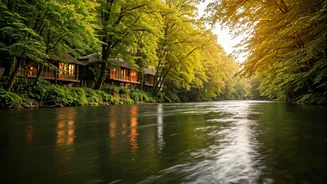
Across India, this trend is taking root in places that naturally lend themselves to a slower rhythm. Think of the sleepy villages in Himachal Pradesh or Uttarakhand, where homestays and farm stays offer a window into mountain life. Travellers are spending weeks working remotely from a cottage with a mountain view, punctuated by hikes and conversations with locals. In Goa, the focus is shifting from the crowded northern beaches to the serene south, where people rent villas for extended periods. The backwaters of Kerala, the tranquil coffee plantations of Coorg, and the quiet corners of Sikkim have become havens for those looking to disconnect from urban chaos and reconnect with nature’s pace. Travel companies and boutique operators are responding, curating experiences that focus on local workshops, culinary classes, and community interactions over conventional tours.
More Than Just a Long Holiday
Ultimately, the rise of slow travel reflects a larger philosophical shift in what Indians are seeking from their time off. The 'been there, done that' mentality, fueled by social media bragging rights, is being replaced by a search for authentic restoration. It’s a move away from performative leisure towards private, meaningful rest. People are realising that true escape isn't about how many places you can tag in a week, but about how completely you can disconnect from the pressures you left behind. A slow journey allows for serendipity—the unplanned conversation, the discovered trail, the afternoon spent reading in a hammock. These are the moments that truly recharge the soul, not the filtered photos of crowded monuments.