





The Science of a Gentle Simmer
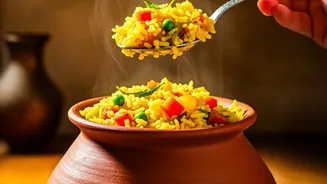
The magic of a clay pot, or 'handi', lies in its porous nature. Unlike metal, which heats up quickly and can create hot spots, clay heats slowly and distributes warmth evenly across its surface. This porous structure allows heat and moisture to circulate
gently throughout the pot. As the pot warms, it creates a natural steaming effect, cooking food in its own juices. This process of slow, consistent heat is the essence of slow-simmering, ensuring that ingredients are cooked thoroughly without breaking down aggressively, preserving both their texture and delicate nutrients.
Unlocking Deeper, Natural Flavours
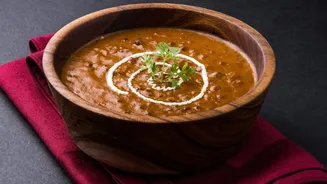
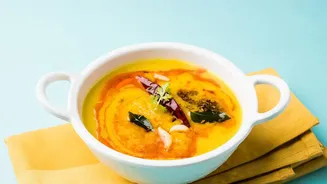
Anyone who has tasted a dal or biryani cooked in a clay vessel will notice a distinct depth of flavour. This isn't just imagination; it's a result of the unique cooking environment. The slow, even heat allows herbs and spices to release their aromatic compounds gradually, preventing them from becoming bitter. Because the pot retains moisture so effectively, flavours concentrate instead of evaporating, infusing deeply into the ingredients. Food emerges tender, succulent, and layered with a subtle earthiness that metal cookware simply cannot replicate.
A Healthier Way to Cook
Beyond flavour, clay pot cooking offers significant wellness benefits. Clay is naturally alkaline, which helps to neutralize the pH of acidic foods like tomatoes, tamarind, or citrus. This can make meals easier to digest and gentler on the stomach, potentially reducing issues like acid reflux for sensitive individuals. Furthermore, the excellent moisture retention means that very little oil is needed for cooking, making it easier to prepare lower-fat meals without sacrificing taste. The slow-cooking process also helps preserve heat-sensitive nutrients like vitamins, which can be destroyed by the high, intense heat of conventional cookware.
An Eco-Conscious Kitchen Choice
In an era of increasing environmental awareness, choosing clay cookware is a sustainable act. Made from natural, abundant earth, these vessels are biodegradable and can return to the soil without polluting the environment. The production process often involves local artisans and requires less energy compared to the industrial manufacturing of metal or synthetic non-stick pans. A well-cared-for clay pot can last for a very long time, and even if it breaks, the pieces can be repurposed for garden drainage, completing a circular, waste-free lifecycle.
Cooking Safely with Earthenware
To get the most out of your clay pot, safety and proper care are key. It is crucial to choose unglazed pots from reliable sources to ensure they are free from lead or other harmful chemicals, which can sometimes be found in decorative or improperly fired ceramics. Before its first use, a new clay pot must be seasoned. This typically involves soaking it in water for several hours, then drying it and often cooking a starchy liquid like rice water or a flour-and-water mixture inside it. This process strengthens the pot and seals the pores to prevent cracking. Always remember to avoid sudden temperature changes, like placing a hot pot on a cold surface or a cold pot in a preheated oven, as this can cause it to crack.