






From Urban Garden to Mini-Forest
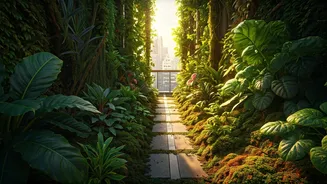
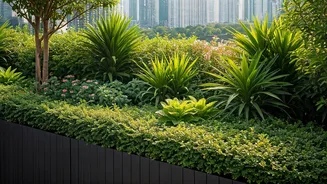
A terrace forest isn't just a collection of plants; it's a dense, multi-layered ecosystem designed to mimic a natural forest. The concept often borrows from the Miyawaki method, an afforestation technique developed by Japanese botanist Akira Miyawaki.
[19] This involves planting a wide variety of native trees, shrubs, and undergrowth in close proximity. [21] On a terrace, this can be achieved using large, custom-built containers or clusters of barrels that allow root systems to interact. [11] Unlike a conventional garden focused on aesthetics, a terrace forest prioritizes ecological function, creating a self-sustaining system where plants compete for light and grow rapidly upwards, establishing a dense canopy in just a few years. [11, 21]
Your Personal Climate Controller
One of the most significant benefits of a terrace forest is its ability to combat the urban heat island effect, a phenomenon where cities are significantly warmer than surrounding rural areas. [23] A dense canopy of foliage provides shade and cools the building underneath through evapotranspiration—the process of plants releasing water vapor. [18] This natural air conditioning can dramatically reduce rooftop surface temperatures and lower indoor temperatures, cutting down on the need and cost of artificial cooling. [7, 17, 24] Furthermore, the vegetation acts as a natural air filter, absorbing pollutants and improving local air quality, which is a major advantage in dense urban environments. [5, 6, 18]
An Oasis for Urban Wildlife
In a concrete jungle, a terrace forest becomes a vital sanctuary for biodiversity. These green pockets provide essential habitats, food, and shelter for a variety of urban wildlife, including birds, bees, butterflies, and other insects. [4, 6] By choosing native plant species, you support local ecosystems and provide crucial resources for pollinators, whose populations are often threatened by urbanisation. [5] Even small patches of dense greenery can act as 'stepping stones' in a larger ecological network, allowing wildlife to move through the urban landscape and helping to increase overall biodiversity. [3, 4]
A Haven for Mental Well-being
The benefits of a terrace forest extend deep into our psychological health. The act of nurturing a complex ecosystem is a form of therapeutic horticulture, which studies have shown can reduce stress, anxiety, and symptoms of depression. [12, 13] Interacting with nature, even on a small scale, fosters mindfulness and a sense of accomplishment. [14, 15] Creating and maintaining a green space provides a tangible connection to the natural world, offering a peaceful escape from the pressures of city life. This daily dose of green can improve mood, boost self-esteem, and enhance overall psychological well-being. [12, 16]
A Community Catalyst
While a terrace forest begins as a personal project, its impact ripples outwards. A visible, thriving green space can inspire neighbours and build a sense of community around shared environmental goals. As more rooftops are transformed, they can create a network of green corridors, collectively enhancing the local microclimate and biodiversity. These projects also serve an educational purpose, demonstrating what is possible in urban spaces and encouraging a wider pro-environmental mindset. [16] They represent a powerful statement that individuals can play an active role in making their cities healthier, more resilient, and more livable for everyone.