



Beyond Ecotourism: What Is Mindful Travel?
You’ve likely heard of ecotourism or sustainable travel, which focus on conserving the environment and supporting local communities. Mindful travel shares these important goals but adds a crucial internal dimension. It's about being fully present and engaged
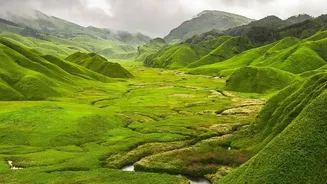
in the experience, moment by moment. Forget chasing bucket-list photos or rushing between landmarks. Mindful travel is about the quality of your attention. It prioritises immersion over achievement, trading a packed itinerary for the richness of a single, deeply felt experience—like watching the mist rise over a silent valley or listening to the complex symphony of the jungle at dusk. This approach isn't just a trend; it's a response to our often-hectic, digitally saturated lives, offering a chance to truly disconnect from the noise and reconnect with ourselves and the world around us.
The Rainforest as a Natural Teacher
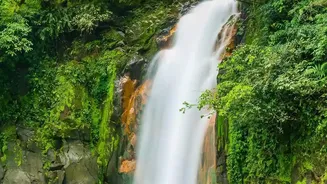
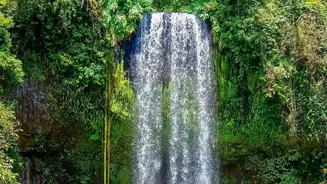
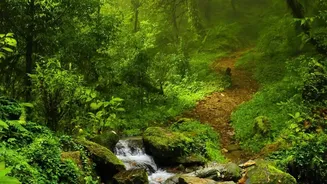
Why are rainforests becoming such powerful destinations for this kind of travel? Because these ecosystems are masters of immersion. A rainforest is a sensory feast: the scent of damp earth and blooming flowers, the constant hum of unseen life, the feeling of humidity on your skin, and the incredible visual density of green in every shade imaginable. This environment naturally pulls you into the present moment. Scientific studies have repeatedly shown that being in forest environments can significantly reduce stress, lower blood pressure, and improve mood. The Japanese practice of Shinrin-yoku, or "forest bathing," is built on this very principle—that consciously soaking in the forest atmosphere is a form of therapy. In a rainforest, the sheer scale and ancientness of the ecosystem can also inspire a sense of awe, helping to shift perspective from personal worries to a much larger, interconnected world.
From Tourist to Conscious Participant
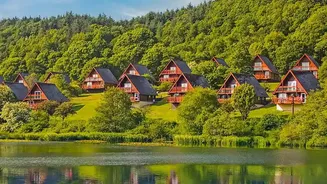
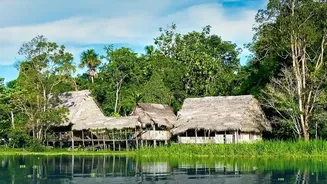
Mindful travel in a rainforest changes your behaviour. Instead of just looking, you learn to see. Activities are often slower and more deliberate. Think guided silent walks where the goal is simply to observe, or spending an hour trying to spot a particular bird species. It might involve a digital detox, where phones are put away to sharpen the senses. Travellers might find themselves staying in community-run eco-lodges, where the experience includes learning from local and indigenous guides who share generations of knowledge about the forest's plants and animals. This transforms a holiday from a passive experience into an active, respectful engagement. You are no longer just a consumer of a destination, but a quiet participant in its daily life.
Finding India’s Rainforest Havens
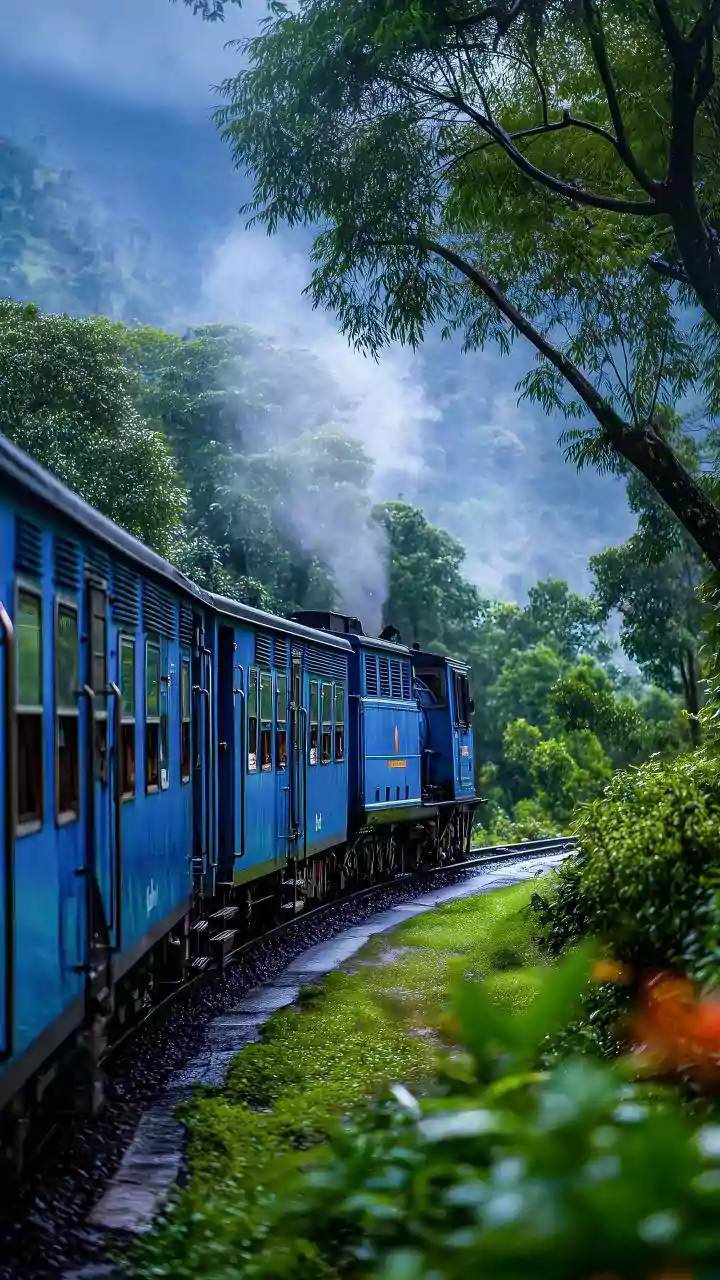
You don't need to travel to the Amazon to have this experience. India is home to spectacular rainforests. The Western Ghats, a UNESCO World Heritage Site stretching across states like Kerala, Karnataka, and Tamil Nadu, are a biodiversity hotspot. Places like Silent Valley National Park in Kerala or the Agumbe Rainforest in Karnataka offer deep immersion into pristine jungle landscapes. In the Northeast, the states of Arunachal Pradesh and Assam are home to lush, unexplored forests like Namdapha National Park and Dehing Patkai, often called the "Amazon of the East". The Andaman and Nicobar Islands also hold some of the most untouched tropical rainforests, rich with endemic species. These destinations provide the perfect backdrop for a journey into both nature and self.
An Impact That Lasts
The benefits of this travel style extend in two directions. For the traveller, the calm and perspective gained in the rainforest don't just disappear upon returning home. The practice of mindfulness can be a lasting tool for well-being. For the destination, the impact is even more tangible. Mindful travel, by its nature, supports the most responsible forms of tourism. It provides a direct economic incentive for local communities to protect their natural environment. When a forest is more valuable alive and thriving than it is cut down, tourism becomes a powerful force for conservation, funding preservation projects, and supporting the livelihoods of those who act as its guardians. Your mindful holiday directly contributes to the survival of these vital ecosystems.