



From Sci-Fi to Shopping Cart
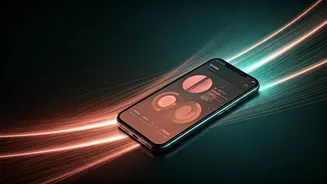
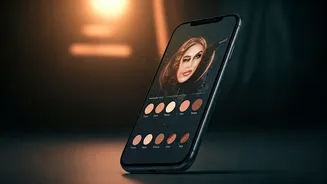
Artificial intelligence (AI) and augmented reality (AR) are no longer just buzzwords from a tech conference; they are becoming a standard feature on your favourite beauty websites and apps. This technology, often called virtual try-on, uses your phone's
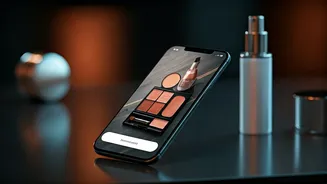
camera to map your facial features—like your eyes, lips, and cheekbones—in real-time. An AR layer then overlays a digital version of a product, such as a lipstick or eyeshadow, onto your face. It allows you to see how different shades and products look on you without ever touching a physical tester. For consumers, it promises a more convenient, hygienic, and personalised shopping experience.
The Pioneers of Virtual Beauty
Major players in the beauty world have been quick to adopt this technology. L'Oréal acquired ModiFace, a leading AR and AI tech company, back in 2018, signaling a major shift in the industry. ModiFace's technology powers virtual try-on experiences for many brands, allowing for photo-realistic simulations of makeup. Similarly, retailers like Sephora have seen huge success with their 'Virtual Artist' feature, which lets customers experiment with thousands of products from different brands. This tool, also developed with ModiFace, has been used to try on hundreds of millions of shades since its launch, proving that consumers are eager to embrace this new way of shopping.
More Than Just Makeup
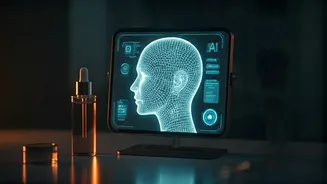
The application of AI in beauty extends far beyond trying on lipstick. Brands are now offering sophisticated AI-powered skin analysis tools. By taking a selfie, customers can get a detailed report on their skin's condition, identifying concerns like dryness, wrinkles, dark spots, and pore size. Companies like La Roche-Posay and Cetaphil use this AI analysis to provide personalized skincare routine recommendations, taking the guesswork out of building a regimen. The technology is trained on vast databases of images graded by dermatologists, aiming to provide a high level of accuracy for all skin types and tones. Hair color is another frontier, with apps allowing users to see how they'd look as a redhead or brunette before committing to the dye.
The Business Behind the Buzz
For beauty brands, investing in AI is not just about creating a fun gimmick. It's a strategic business decision with significant financial upsides. One of the biggest benefits is a reduction in product returns. When customers can virtually test a shade and feel confident in their choice, they are less likely to return it. This saves companies money and reduces waste. Furthermore, virtual try-on tools are proven to increase customer engagement and sales conversions. Shoppers spend more time on sites with these features, and the interactive experience often encourages them to make a purchase, boosting brand loyalty and providing valuable data on consumer preferences.
Is It a Perfect Match?
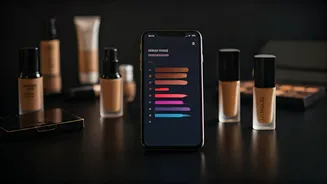
Despite the rapid advancements, the technology is not without its challenges. The accuracy of color representation can be a major hurdle, as it can be heavily influenced by the user's lighting conditions and camera quality. A shade that looks perfect through the phone's lens might appear different in real life. There are also data privacy concerns, as these tools require access to a user's camera and facial data, though many companies process this information locally on the device to mitigate risks. Brands are continuously working to improve the realism and accuracy of these simulations to build greater consumer trust and overcome these limitations.