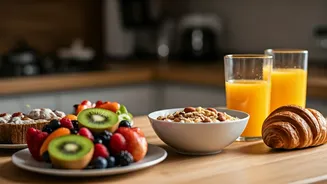

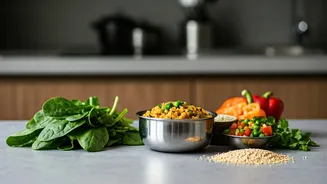


The Shift from Carb-Loading
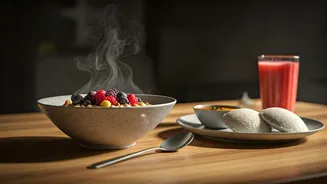
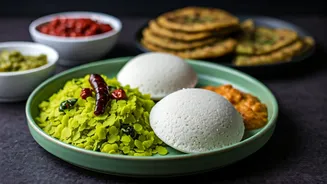
For decades, the Indian breakfast has been a carbohydrate-centric affair. Whether it’s idli-sambar in the south, aloo paratha in the north, or luchi-torkari in the east, the primary goal was a quick, affordable, and substantial energy source to kickstart
a long day. These meals are delicious and deeply embedded in our culture, but they often deliver a high glycaemic load, leading to a quick spike in energy followed by a mid-morning slump. Nutritionists and a growing wave of health-conscious consumers are now questioning this model. The conversation is shifting from just feeling 'full' to feeling 'fuelled' in a more sustainable way. It’s not about demonising traditional favourites, but rather understanding their nutritional composition and seeking a better balance.
Protein Takes Centre Stage
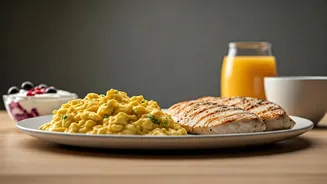
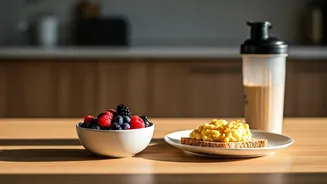
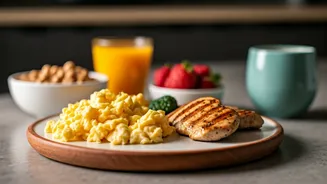
The single biggest change in India's new breakfast doctrine is the emphasis on protein. Once a nutrient discussed mainly in fitness circles, protein has gone mainstream. This is driven by a greater awareness of its role in satiety (keeping you full for longer), muscle maintenance, and metabolic health. Studies have often highlighted a gap in protein consumption in average Indian diets, which are typically grain and legume-heavy but can fall short on high-quality protein, especially at breakfast. In response, urban Indians are actively incorporating eggs, Greek yoghurt, paneer, and nut butters into their morning routine. The market has exploded with protein-fortified products, from protein powders added to shakes and smoothies to high-protein breakfast cereals and bars, all catering to this new nutritional priority.
Convenience Is the New Currency
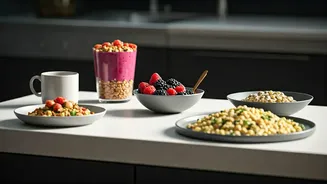
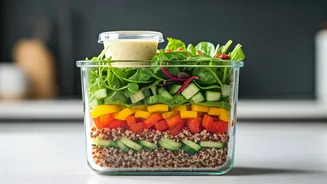
The redefinition of breakfast isn't just about what's on the plate; it's also about how it gets there. The fast-paced nature of modern urban life means time is a precious commodity. The leisurely breakfast is becoming a luxury for many during the work week. This has created a massive demand for quick, healthy, and convenient options. The 'grab-and-go' culture is no longer a Western concept. Overnight oats, chia seed puddings, fruit and yoghurt smoothies, and ready-to-eat millet-based upma mixes are filling this gap. These meals can be prepared the night before or whipped up in minutes, providing a nutritious start without the time-consuming prep of traditional dishes. Brands are innovating rapidly, offering everything from healthy muesli to breakfast shakes that promise a balanced meal in a bottle.
The Great Millet Makeover
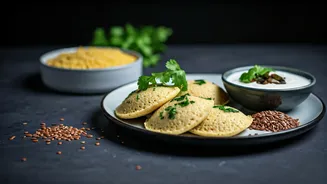
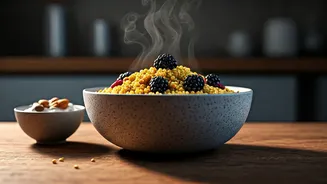
A significant and uniquely Indian part of this nutritional shift is the resurgence of millets. Once considered a humble, rural staple, millets like ragi, jowar, and bajra are now being celebrated as superfoods. Thanks to a government push and their impressive nutritional profile—high in fibre, protein, and essential minerals, with a lower glycaemic index than refined grains—millets are making a major comeback. They are incredibly versatile and are being creatively integrated into modern breakfasts. You can now find millet dosa batter, ragi-based breakfast cereals, millet flakes for porridge, and even ready-to-cook millet upma. This trend beautifully merges the quest for modern health goals with a return to indigenous, climate-resilient grains, making it a sustainable choice for both personal and planetary health.
Mindful Mornings, Not Just Meals
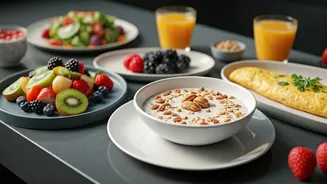
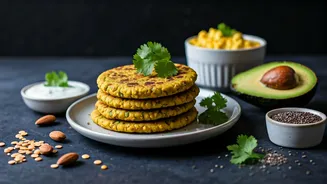
Ultimately, the redefinition of morning nutrition goes beyond specific ingredients. It reflects a broader mindset shift towards holistic wellness. People are not just eating; they are curating their intake. They are reading labels, tracking macronutrients on apps, and understanding the 'why' behind their food choices. The new goal isn't simply to silence hunger pangs but to optimise energy levels, improve focus, and support long-term health. This conscious approach means paying attention to portion sizes, incorporating healthy fats from sources like avocado and nuts, and ensuring a good dose of fibre from fruits and vegetables. The Indian breakfast plate is becoming a more intentional, personalised, and powerful tool for well-being.