








The Silent Dangers of Sitting Still
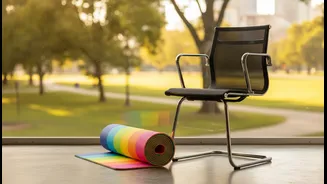
It’s often called “the new smoking,” and for good reason. A growing body of research shows that a sedentary lifestyle is linked to a host of health problems. When you sit for long periods, your body goes into a kind of standby mode. Your large muscles,
like those in your legs and glutes, relax and take up very little glucose from the blood. This can lead to increased blood pressure, high blood sugar, and unhealthy cholesterol levels—a cluster of conditions known as metabolic syndrome. Studies have linked prolonged sitting to a higher risk of developing heart disease, type 2 diabetes, certain types of cancer, and even premature death. What’s more, the negative effects of uninterrupted sitting can be a problem even for people who exercise regularly. That one-hour gym session, while beneficial, may not be enough to undo the damage of sitting for the other eight or more hours of the day.
Your New Secret Weapon: The 'Movement Snack'
The solution is surprisingly simple and accessible: short, frequent walking breaks, sometimes called “movement snacks.” The key isn't necessarily the intensity but the consistency of interrupting your sitting time. Research from Columbia University has pointed to an optimal formula: a five-minute light walk for every 30 minutes of sitting. This specific regimen was found to be the most effective at significantly lowering both blood sugar and blood pressure during a long, seated day. In the study, this simple habit dramatically reduced post-meal blood sugar spikes by 58% compared with sitting all day. While five minutes every half hour offered the biggest bang for the buck, researchers found that even smaller 'snacks' of movement, like one minute of walking every hour, can provide benefits such as lowering blood pressure.
More Than Just Physical Benefits
The advantages of these short walks extend beyond your physical health. The same study that highlighted the blood sugar and blood pressure benefits also found that nearly all walking regimens led to significant decreases in fatigue and improvements in mood. Participants reported feeling more energized and in better spirits when they regularly broke up their sitting time. This mental boost is crucial for productivity and overall well-being during the workday. Taking a brief walk increases blood flow to the brain, which can help sharpen focus, break through mental blocks, and even spark creativity. In a world of back-to-back video calls and digital overload, a five-minute stroll can be the mental reset you need to return to your tasks with renewed energy and a clearer perspective.
How to Make It a Habit
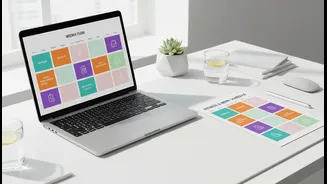
Knowing the benefits is one thing; putting it into practice is another. The key is to build these micro-walks seamlessly into your day. Start by setting a timer on your phone or computer to remind you to get up every 30 to 60 minutes. When the alarm goes off, stand up and walk. You don’t need a specific destination; a loop around your office, a walk to the kitchen for a glass of water, or even just pacing in your room will do. Try incorporating “walking meetings,” where you and a colleague can talk while you stroll. If you have a phone call, use it as a prompt to get on your feet and move around. You can even create a simple indoor walking route or find a favorite outdoor path for a quick dose of fresh air. The goal is to make movement a non-negotiable, but easy, part of your daily routine.