
1. Embrace the Air Fryer
The air fryer has become a kitchen superstar for a reason. It works by circulating extremely hot air at high speed, creating a crispy, golden-brown finish that mimics deep-frying with a fraction of the oil. For many recipes, a light spritz or no oil at all
is sufficient. This method is a game-changer for foods where texture is key. Think homemade potato fries, crispy cauliflower bites, chicken nuggets, or even samosas and pakoras. The intense, dry heat renders fat from meats and allows it to drip away, making it a healthier choice for preparing items like chicken wings or kebabs. To get the best results, avoid overcrowding the basket to ensure the hot air can circulate around each piece of food, guaranteeing an even, crunchy texture all over.
2. Master the Art of Steaming
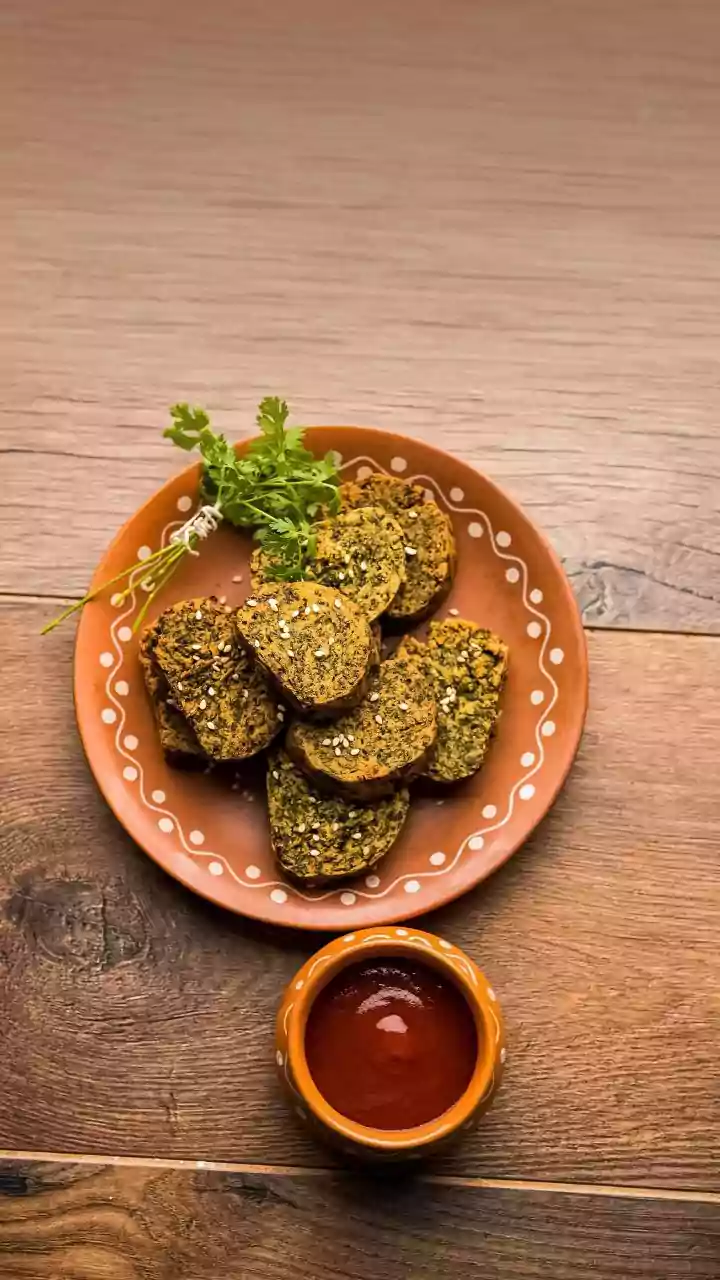
Steaming is one of the gentlest and healthiest ways to cook. By using the hot vapour from simmering water, it cooks food without needing any added fat, which helps keep the calorie count low. More importantly, this method is exceptional at preserving the food's natural nutrients, especially water-soluble vitamins like B and C that can be lost during boiling. Vegetables cooked via steaming retain their vibrant colour, crisp texture, and delicate flavours. It's an ideal technique for broccoli, asparagus, carrots, and green beans, but it also works wonders for delicate proteins like fish, which becomes flaky and moist. Traditional Indian dishes like idli and dhokla are classic examples of zero-oil steamed foods. All you need is a pot with a steamer basket or a simple insert.
3. Sauté and Stir-Fry with Broth
The sizzle of onions and garlic hitting an oiled pan is a familiar start to many recipes, but you can achieve the same result without the oil. The secret is to 'water sauté' or use a small amount of vegetable broth. Start by heating a few tablespoons of water or broth in a non-stick pan until it simmers. Add your aromatics, like onions or ginger, and stir frequently. As the liquid evaporates, the vegetables will soften and begin to brown. Keep a little extra liquid nearby to add a splash whenever the pan gets too dry to prevent sticking. This technique is perfect for building the flavour base for curries, soups, and stir-fries, proving that oil is often just a medium, not the source of flavour.
4. Rely on Roasting and Baking
Roasting and baking use the dry heat of an oven to cook food, which can create incredible depth of flavour without drenching ingredients in oil. High heat helps to caramelize the natural sugars in vegetables like sweet potatoes, bell peppers, and broccoli, resulting in a sweet, concentrated taste and tender texture. For a successful oil-free roast, use parchment paper or a silicone mat to line your baking sheet, which prevents sticking entirely. You can toss vegetables in spices and a tiny amount of liquid like lemon juice or balsamic vinegar to help the seasonings adhere. This method works well for potatoes, root vegetables, and even proteins like chicken or paneer, giving you a delicious, hands-off way to prepare a healthy meal.
5. Go for Grilling and Broiling
Grilling and broiling are high-heat cooking methods that impart a uniquely smoky, charred flavour that can’t be replicated. Both techniques cook food quickly and allow excess fat to drip away from the ingredients, making them an excellent low-fat option. Grilling is done over a heat source, while broiling uses a heat source from above (like the top element in your oven). These methods are perfect for sturdier vegetables like zucchini, bell peppers, and corn on the cob, as well as proteins like fish, chicken, and paneer tikka. The intense heat creates a delicious crust on the outside while keeping the inside moist and tender. For best results, use a marinade based on yogurt, citrus, and spices to add flavour and prevent the food from drying out.