






From Sightseeing to Soul-Searching
For decades, the Indian holiday had a familiar rhythm: save up, plan for months, and embark on one long annual trip. But for young Indians today, that model is obsolete. According to a recent Airbnb report, seven in ten Gen Z travellers prefer taking
three shorter trips over one long one. This generation isn't just travelling differently; they're travelling for different reasons. It's less about seeing famous landmarks and more about how a place makes them feel. Travel has become a form of self-expression, with 87% agreeing that the way they travel reflects who they are as a person. This has sparked a move away from popular, viral destinations towards experiences that feel personal and unique.
The Pull of the Great Outdoors
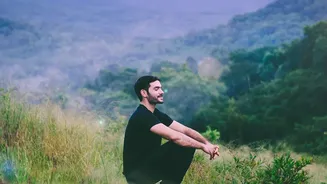
A major theme in this new era of travel is a powerful return to nature. After years spent navigating urban hustle and digital overload, young Indians are actively seeking out serene landscapes for a quick reset. Destinations like Wayanad, Dehradun, and the coasts of Kerala are becoming favourites, chosen for their tranquil environments. This isn't just about pretty scenery; it's a conscious choice for well-being. Activities like trekking, camping, and exploring wildlife reserves are on the rise, aligning with a generational desire for both adventure and a smaller environmental footprint. In fact, sustainability is a key factor, with a large majority of young Indian travellers stating they plan to make more eco-conscious travel choices.
Embracing the ‘Slow Travel’ Mindset
The phrase “slow travel” is gaining significant traction, and it perfectly captures Gen Z's approach. This philosophy isn't about the duration of a trip, but the quality of the experience. It champions depth over distance, encouraging travellers to immerse themselves in a single location rather than rushing between cities. This can mean staying in a local homestay, learning a regional craft, or simply spending an afternoon at a market. For this generation, the absence of a plan is often the plan itself. A recent report noted that two in three Gen Z members travel with the express purpose of doing nothing at all—just resting and taking slow days to recharge.
Wellness as the Main Event
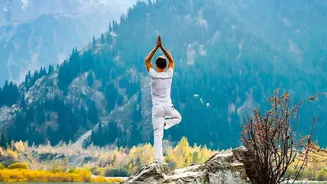
Perhaps the most significant shift is the rise of wellness as a primary travel motivator. The goal is no longer just to get a break from work, but to return from a trip genuinely restored. This has fuelled a boom in wellness tourism, with India’s ancient practices of Ayurveda, yoga, and meditation taking centre stage. Destinations like Rishikesh and the Himalayas are being transformed from simple tourist spots into hubs for mental and spiritual well-being. Travellers are seeking out structured yoga programmes, guided meditation, and digital detoxes to combat the stress and burnout of modern life. This move from tourism to transformation signals a deeper understanding of what a holiday can and should be: an investment in one's own health.