






Embrace Warm, Cooked Meals
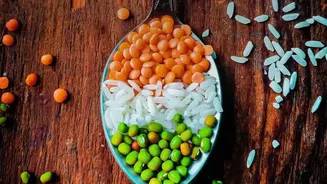
During the monsoon, digestion tends to slow down due to high humidity. Nutritionists and Ayurvedic experts agree that this is the time to favour warm, freshly cooked meals over cold or raw foods. Think light, easy-to-digest options. A bowl of moong dal
khichdi, prepared with a dash of ghee and cumin, is considered an ideal monsoon meal by many experts. It provides a balanced mix of carbohydrates and protein without burdening the gut. Similarly, warm vegetable soups, especially those seasoned with digestive spices like ginger and pepper, are excellent choices. Steamed vegetables like bottle gourd (lauki), pumpkin, and carrots are also recommended as they provide essential nutrients and fibre in a form that's gentle on the stomach.
Power Up with Probiotics
Gut health is the cornerstone of immunity, and the monsoon is when your gut needs the most support. Probiotics, the beneficial bacteria that support a healthy digestive system, are crucial. Fresh, homemade curd (yoghurt) and buttermilk (chaas) are excellent natural sources of probiotics. A glass of buttermilk spiced with roasted cumin and mint is a traditional and effective way to aid digestion and keep your gut flora balanced. These fermented dairy products help restore good bacteria, which can be compromised by the higher risk of foodborne and waterborne infections during this season. If consuming dairy, it is advisable to use pasteurised milk to prepare these at home to ensure safety.
Harness the Power of Spices
The Indian spice box is a treasure trove of medicinal properties that are particularly beneficial during the rainy season. Ginger, with its anti-inflammatory properties, is excellent for soothing the digestive system and combating nausea. Turmeric is a well-known natural immunity booster, thanks to its active compound, curcumin, which has powerful antimicrobial effects. Adding a pinch to milk or curries can help your body fight off pathogens. Garlic is another potent ally, containing allicin, a compound known for its antibacterial and antiviral capabilities. Cumin, coriander, and fennel are traditionally used to relieve gas and bloating, common complaints during this time. Incorporating these spices into your daily cooking is a simple yet effective strategy for staying well.
Choose Seasonal Fruits Wisely
While it is important to eat fruits, being selective is key during the monsoon. Opt for seasonal fruits like jamun, pears, plums, cherries, peaches, and pomegranates. These are packed with antioxidants and Vitamin C, which help strengthen the immune system. Amla, or Indian gooseberry, is another powerhouse of Vitamin C and is highly recommended. It's best to avoid fruits that have high water content, like watermelon, as they can sometimes cause bloating. Also, be cautious with pre-cut fruits sold by street vendors, as they carry a higher risk of contamination. Always wash fruits thoroughly and consume them fresh.
Rethink Your Greens and Street Food
Leafy green vegetables are nutrient-dense, but during the monsoon, they can harbor dirt and germs, making them risky if not cleaned properly. If you do consume them, they must be washed meticulously, perhaps in a saltwater or vinegar solution, and cooked thoroughly rather than eaten raw in salads. The same caution applies to street food. While the craving for hot pakoras and chaat is almost synonymous with rain, it is also a time when hygiene can be compromised, increasing the risk of infections like typhoid and diarrhoea. If you must indulge, it is safer to prepare these snacks at home where you can control the quality of the ingredients and oil.
Hydrate the Right Way
Staying hydrated is essential, but cold drinks can dampen the digestive fire. Experts recommend sipping on warm water or herbal teas throughout the day. Infusions made with tulsi, ginger, cinnamon, or fennel are not only hydrating but also provide immunity-boosting and digestive benefits. It is crucial to ensure your drinking water is boiled or properly filtered to avoid waterborne diseases, which are rampant during this season. Carbonated drinks should be limited as they can reduce mineral levels and hinder digestion.