




Understanding the Autumn Challenge
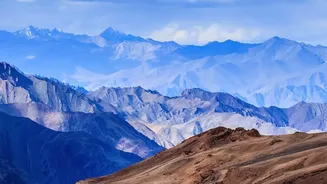
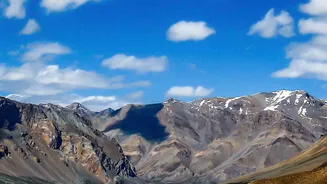
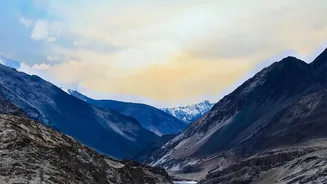
Autumn in Spiti, spanning from late September to October, is a deceptive season. The post-monsoon skies are brilliantly clear, and the landscape is painted in stunning hues of gold and rust. However, this is also a period of rapid transition. Daytime
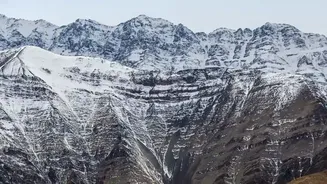
temperatures can be pleasant, but they plummet dramatically after sunset, often falling below freezing, especially at higher altitudes. The biggest challenge is the unpredictability of the high mountain passes like Kunzum La (4,551 metres) and Rohtang La. Early snowfall can lead to sudden road closures, and overnight frost creates treacherous black ice, which is difficult to see and extremely dangerous. Services also begin to wind down; many camps, particularly around Chandratal, close by mid-October, and some homestays and dhabas shut for the winter.
The Golden Rule: Acclimatize Properly
Acute Mountain Sickness (AMS) is a significant risk in Spiti, where you’ll consistently be at altitudes above 3,000 metres. It can affect anyone, regardless of age or fitness. The only effective prevention is gradual acclimatization. If your itinerary allows, choose the route from Shimla to Kaza, as it involves a more gradual ascent over several days, allowing your body to adapt. The Manali-Kaza route involves crossing high passes quickly, which significantly increases AMS risk. On your first day at a high-altitude location like Kaza (3,800 metres), rest and avoid any strenuous activity. Hydration is crucial; aim to drink 3-4 litres of water daily. Avoid alcohol for the first 48-72 hours, as it can dehydrate you and mask the early symptoms of AMS. If you experience symptoms like a persistent headache, nausea, or dizziness, do not ascend further. Rest at your current altitude, and if symptoms worsen, descend immediately.
Navigating the High Mountain Passes
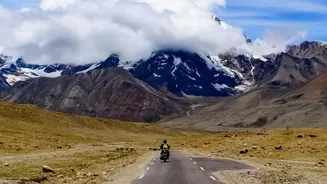
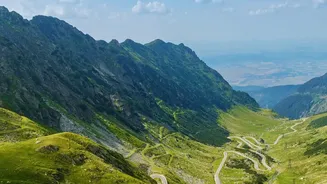
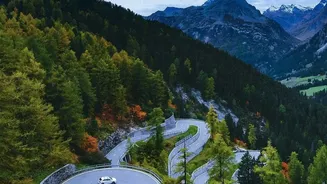
The journey through Spiti's high passes is the main event and the main hazard. The Manali-Kaza highway via Kunzum Pass is typically open until mid-to-late October, but this is highly weather-dependent. A single spell of heavy snow can shut it down without warning. Always check the current road status with local authorities or reliable travel groups before starting your journey. The road from Gramphu to Batal and up to Kunzum Pass is notoriously rough, often a mix of gravel, dirt, and water crossings. It is strongly recommended to hire an experienced local driver and use a high-ground-clearance vehicle like an SUV. Sedans are not advisable for this stretch. Start your journeys early to ensure you reach your destination well before dark. Night driving is extremely dangerous due to a lack of road markings, guardrails, and poor visibility.
Packing for Extreme and Shifting Conditions
Packing in layers is the most effective strategy for Spiti's fluctuating temperatures. Your packing list must include a base layer of moisture-wicking thermals, a mid-layer of fleece or a down vest for insulation, and a windproof and waterproof outer jacket. Do not underestimate the cold, even if the sun feels warm during the day. Essential accessories include woolen socks, waterproof trekking shoes, gloves, a woolen cap or balaclava, and a scarf or neck gaiter. The sun's UV rays are incredibly harsh at high altitudes, so high-SPF sunscreen (SPF 50+), lip balm, and UV-protective sunglasses are non-negotiable items. Carry a basic medical kit with medications for headache, fever, and stomach issues, along with any prescription medications and supplies for AMS, after consulting your doctor.
Connectivity, Cash, and Contingency Plans
Do not expect reliable mobile connectivity in Spiti Valley. Kaza has intermittent BSNL and Jio signals, but outside the main town, you will be offline for long stretches. Inform your family of your itinerary beforehand and download offline maps. ATMs are only available in a few major towns like Kaza and can be unreliable, so carry sufficient cash for your entire trip. Always have a buffer of one to two days in your itinerary. This accounts for potential delays due to landslides, road closures, or the need for an extra day of acclimatization. Being stranded is a real possibility, so a flexible plan is a key part of your safety net. Carry extra snacks and water in your vehicle for any unexpected delays on the road.