


The 2026 midterm elections have reshaped the political calculus in Washington, raising urgent questions about the future of American foreign policy. With Donald Trump's 'America First' philosophy still a dominant force, how might the US approach its overseas
commitments?
A New Dynamic in Congress
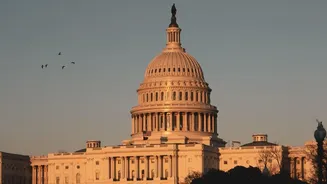
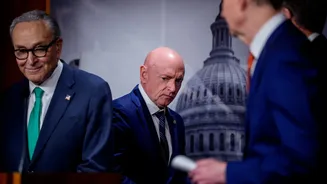
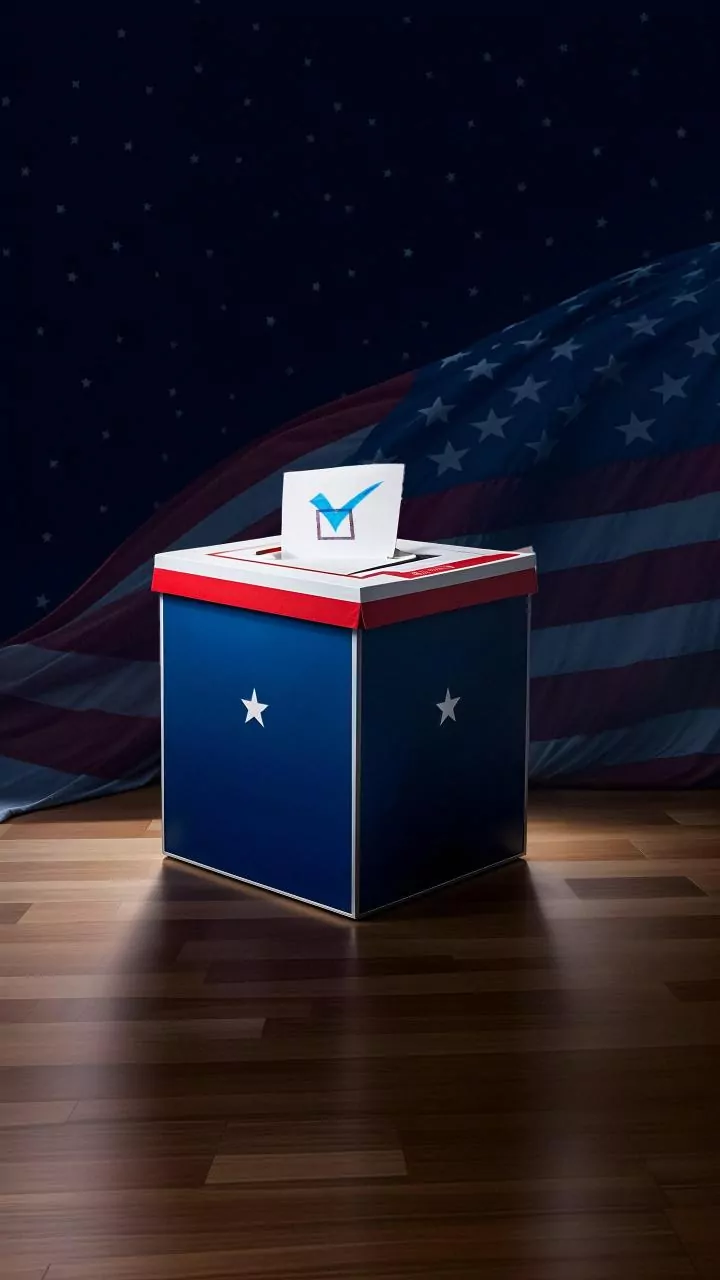
The results of the November 2026 midterm elections saw Democrats take control of both the House and the Senate. This shift creates a new dynamic for President Trump, who for the first time in his second term, must govern with an opposition-controlled Congress. While the President retains significant authority in foreign policy as commander-in-chief, the Democratic majority now holds the power of the purse and can conduct oversight hearings. Experts anticipate this will lead to increased scrutiny and potential challenges to the administration's agenda, particularly on defense spending and military engagements. The new Congress is expected to focus on issues like the high cost of living, which voters have linked directly to foreign policy decisions like the war with Iran and trade tariffs.
The 'America First' Doctrine Revisited
Donald Trump's second term has continued to be defined by his 'America First' stance, which prioritizes domestic interests and questions the value of long-standing international alliances and multilateral agreements. His approach is often transactional, viewing foreign relations through a lens of economic benefit and national advantage. This philosophy has led to a mix of interventionism in regions deemed critical to US interests, like the Middle East and Latin America, and isolationism concerning others, particularly Europe. While a majority of Republican voters still believe the US should play an active role in world affairs, there is strong sentiment for cutting foreign aid and a growing skepticism of funding overseas conflicts, a trend that has strengthened the Trumpist wing of the party.
The Critical Case of Ukraine
US support for Ukraine remains a central and contentious issue. While there has been bipartisan support in Congress for aiding Kyiv, President Trump has repeatedly questioned the level of commitment and has pushed for European allies to bear more of the financial burden. European officials fear that a president facing domestic political constraints may turn to foreign policy to secure a legacy, potentially by forcing a peace deal on terms unfavorable to Ukraine. Some analysts warn that the future of US military presence in Europe and aid to Ukraine could become bargaining chips in a larger negotiation with Russia. The new Democratic majority in Congress, however, is expected to push for stronger support for Ukraine and may use its legislative power to enforce sanctions against Russia that the administration has been slow to implement.
Middle East and the Iran Conflict
The ongoing war with Iran, which began in June 2025, was a significant factor for voters in the midterms, with many citing its impact on gas prices and the economy. A majority of voters polled considered the war to be the wrong decision. In the wake of his party's electoral losses, President Trump may be more inclined to escalate military action during the lame-duck period before the new Congress is seated, viewing it as a window to act without immediate political costs. However, the new Democratic leadership is expected to use its oversight and funding powers to challenge and potentially restrict the war effort. Beyond Iran, the administration's policy has also been marked by a shift in its relationship with Israel, with Trump announcing an end to the $4 billion in annual military aid, though hardware sales will continue.
Alliances Under Pressure
A hallmark of Trump's foreign policy has been his pressure on NATO allies to increase their defense spending. This has caused significant concern among European nations, who worry that Washington might use its military commitments as leverage in negotiations over issues like the war in Ukraine. European allies fear the US could reduce troop levels in Europe or cut contributions to NATO's common budget. The new Democratic majority in Congress is expected to try and mend some of these frayed relationships, prioritizing stronger ties with allies. However, the fundamental American desire for Europe to take on greater responsibility for its own security is a view that transcends party lines, suggesting that while the tone may change, the pressure is unlikely to disappear entirely.