

What Exactly Are Shooting Stars?
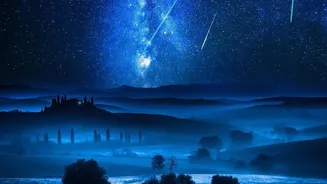
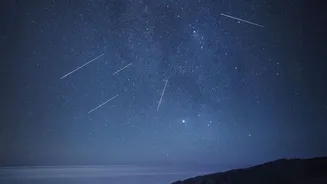
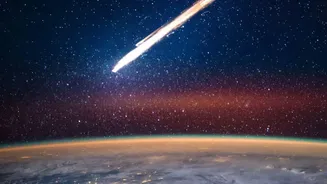
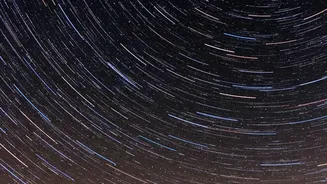
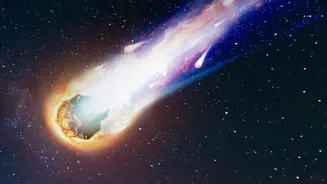
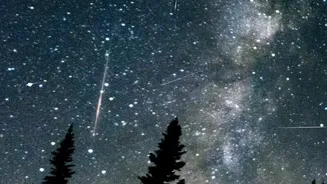
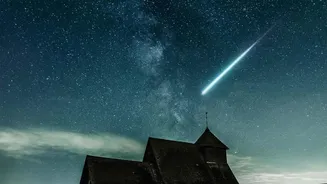
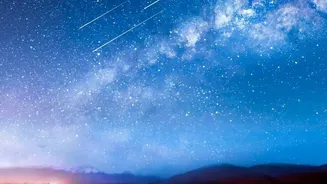
Before you pack your bags, it helps to know what you’re looking for. A meteor shower happens when Earth passes through a trail of cosmic dust and debris left behind by a comet or, occasionally, an asteroid. These tiny particles, often no bigger than a grain
of sand, burn up upon entering our atmosphere at incredible speeds, creating the bright, fleeting streaks we call 'shooting stars' or meteors. These events happen at the same time each year as our planet moves through these specific debris fields in its orbit around the sun.
The Perseids: A Spectacular Summer Finale
While the headline mentions autumn, the famous Perseid meteor shower is technically a late-summer highlight, peaking well before the autumn months. In 2026, the Perseids will reach their maximum activity on the night of August 12-13. This year is predicted to be one of the best for viewing in recent memory. The peak perfectly coincides with a new moon, which means the sky will be exceptionally dark, allowing even faint meteors to shine through. The Perseids are particles from Comet Swift-Tuttle and are known for producing a high number of bright meteors—up to 100 per hour under perfect conditions. For viewers in India, the best time to watch will be from midnight until just before dawn, looking towards the northeastern sky.
The Orionids: Autumn's Gift from Halley's Comet
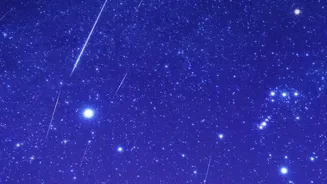
The true star of the autumn sky is the Orionid meteor shower, which peaks on the night of October 21-22, 2026. These meteors are fragments of none other than the famous Halley's Comet. The Orionids are known for their speed, entering the atmosphere at about 66 kilometres per second, which can result in intensely bright meteors that sometimes leave persistent, glowing trails. Viewers can expect to see around 15 to 25 meteors per hour in a dark sky. While a bright moon is expected during the 2026 peak, it will set a few hours before dawn, opening a window of dark-sky viewing in the early morning hours, which is the best time to watch.
Why You Must Escape the City
The single most important factor for a successful meteor shower viewing is getting away from light pollution. City lights create a pervasive glow that washes out the night sky, rendering all but the brightest stars and meteors invisible. To truly experience the magic of a meteor shower, you need to find a location with a dark, unobstructed view of the sky. This is why non-metro areas are essential. The darker it is, the more shooting stars you will be able to see, transforming a few faint streaks into a celestial downpour. Let your eyes adjust to the darkness for at least 20-30 minutes to achieve full night vision; this means putting your phone away.
Where to Go for the Best Views
India is blessed with several regions that offer pristine night skies. For the ultimate experience, consider a trip to one of India's dark sky locations. Hanle in Ladakh is home to India's first official Dark Sky Reserve, offering some of the clearest skies in Asia. Other exceptional high-altitude destinations include Spiti Valley in Himachal Pradesh (particularly villages like Kaza and Langza) and parts of Uttarakhand. If a Himalayan trip isn't feasible, the Rann of Kutch in Gujarat provides a unique, flat landscape with a vast, open horizon. For those in the south, the remote plantations of Coorg, Karnataka, and the higher reaches of the Nilgiri Hills also offer excellent stargazing opportunities away from city glare.
Your Stargazing Toolkit
You don't need a telescope or binoculars to enjoy a meteor shower, as they restrict your field of view. Your naked eyes are the best tool. The key is comfort. Pack a reclining lawn chair or a thick blanket so you can lie back and look up without straining your neck. Even on summer nights, it can get chilly in the pre-dawn hours, so bring warm clothing in layers. Snacks and a flask of a warm beverage will make the wait more enjoyable. Finally, a red-light torch is a great accessory to help you navigate in the dark without ruining your night vision.