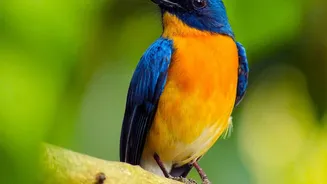






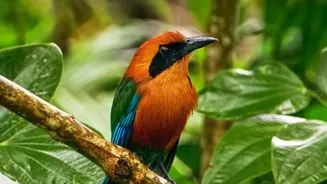
A Paradise for Endemic Birds
The allure of South Andaman for any nature lover, and especially birders, is its incredible level of endemism. These islands are a biological hotspot, home to species found nowhere else on Earth. Recent government-supported initiatives, like guided 'Rainforest
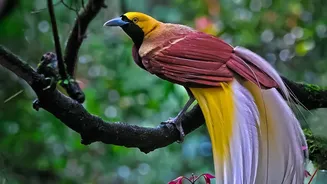
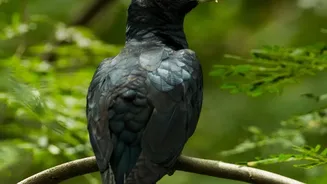
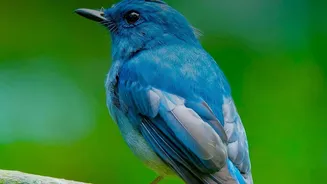
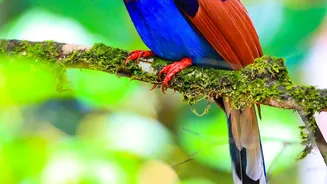
Birding Trails' in areas like Chidiyatapu and Kalatang, are shining a spotlight on these natural treasures. Key birding locations such as Mount Harriet National Park (now Mount Manipur) and Chidiyatapu, fondly known as ‘Bird Island,’ serve as the main stage. Here, the rustle of leaves might reveal an Andaman Woodpecker, the flash of feathers could be an Andaman Drongo, and a patient eye might spot the magnificent Andaman Serpent Eagle. With over 240 species recorded, including a host of endemics like the Andaman Crake and Andaman Wood Pigeon, the islands offer a birding experience that is both unique and profoundly intimate. This rich avian diversity is precisely what makes the conversation around tourism so critical.
Treading Lightly: The Code of Conduct
The concept of 'low-impact etiquette' is not just a suggestion here; it's a necessity. The Andaman and Nicobar administration, along with conservation groups, has outlined clear guidelines for visitors. At its core, the code is about respect for a fragile environment. This means absolutely no littering, with a strict ban on plastic bags and an expectation that you will carry all your waste back with you. When exploring, visitors must stay on designated paths to avoid trampling delicate vegetation. The temptation to take a souvenir is strong, but collecting shells or corals—living or dead—is illegal and deeply harmful to the ecosystem. For birdwatchers, specific rules apply: the use of recorded bird calls to lure birds out is forbidden, as it disrupts their natural feeding and breeding behaviours. Flash photography is discouraged, and approaching nests or roosting sites is a serious breach of conduct. The mantra is simple: observe without disturbing.
A Strategy for Sustainable Tourism
These new birding trails are more than just a path through the forest; they represent a conscious shift in tourism strategy for the islands. The administration is actively promoting birdwatching as a form of high-value, low-volume ecotourism. The goal is to attract travellers who are environmentally aware and willing to engage with nature responsibly, moving away from a model that could lead to overcrowding and environmental degradation. By organizing guided walks with experts, authorities aim to educate visitors about the unique ecology and the importance of conservation. This approach also helps generate income for local communities through guiding services and eco-friendly accommodations, making them partners in preservation. It’s a vision where tourism doesn't just take from the islands, but actively contributes to their protection, ensuring the natural heritage that draws people in the first place remains intact for generations.
The Fragile Ecosystem at Stake
The need for such stringent etiquette becomes clear when you understand the pressures facing the Andamans. These islands, while beautiful, are ecologically sensitive. The growth in tourism, while economically beneficial, brings challenges like increased pollution, pressure on freshwater resources, and habitat destruction. Coral reefs are vulnerable to damage from boat anchors and even chemicals in sunscreen, while fragile forest ecosystems can be disrupted by something as simple as a discarded plastic bottle. Several of the endemic bird species, like the Andaman Wood Pigeon and Andaman Cuckooshrike, are already classified as 'Near Threatened' or 'Vulnerable' due to their restricted habitats. Unchecked development and careless tourism could easily push these species further toward the brink. Therefore, every rule, from staying on the path to not disturbing wildlife, is a small but vital act of conservation.