



A New Wave in the Tents
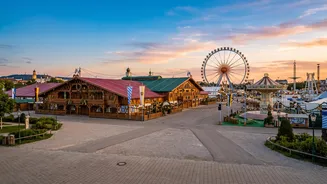
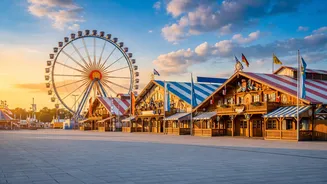
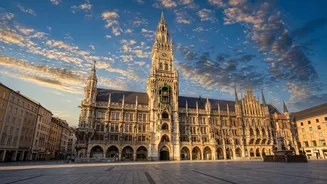
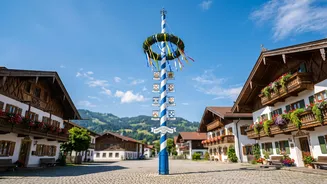
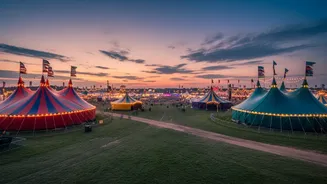
Munich's legendary Oktoberfest, a 16-day celebration of Bavarian culture, has long been a magnet for tourists from Europe and North America. However, recent data reveals a significant and rapidly growing new demographic making its way to the Theresienwiese
fairgrounds: travelers from India. According to travel intelligence from Amadeus, air bookings from India to Munich for the 2026 festival have surged by nearly 60% compared to the previous year. This makes India the fastest-growing major market for the event, outpacing even other rising markets like Japan and Canada. While Americans still constitute the largest group of international visitors, their numbers have seen a slight decline, highlighting the growing importance of new travel corridors from Asia.
From Sightseeing to Experience-Seeking
This trend is about more than just numbers; it represents a deeper change in the mindset of the Indian globetrotter. For decades, the quintessential European trip for Indian families was a whirlwind tour of landmarks: the Eiffel Tower, the Colosseum, and the Swiss Alps. Today, a new generation of travelers, armed with higher disposable incomes and a thirst for unique experiences, is rewriting the script. They are moving beyond passive sightseeing and actively seeking immersive cultural events. Festivals like Oktoberfest, La Tomatina in Spain, and the Rio Carnival in Brazil are increasingly appearing on Indian travel itineraries. This pivot towards 'experience-led holidays' is a conscious choice to collect memories and stories, not just photographs.
The Social Media Effect
The allure of these festivals is powerfully amplified by social media. Platforms like Instagram are filled with vivid, shareable moments from these global events, creating a potent sense of 'FOMO' (fear of missing out). The highly photogenic nature of Oktoberfest—from the massive beer steins and traditional outfits to the lively tent atmospheres—makes it perfect content for a travel reel. This digital word-of-mouth has made once-niche events accessible and aspirational to a vast audience in India. Travel companies have taken note, curating specific festival packages that often combine the main event with explorations of local food, culture, and nearby cities, turning a festival trip into a broader European adventure.
How Indians Are Doing Oktoberfest
Interestingly, data shows different Indian demographics approaching the festival in distinct ways. Younger Gen Z travelers often opt for short, high-energy trips of two or three days, focusing their budget on the festival itself. In contrast, millennials and older travelers are more likely to book longer stays, sometimes for 14 nights or more, using Oktoberfest as the anchor for a multi-city European tour. The data also shows a surprising rise in solo travel, which accounts for 47% of air bookings for the festival period, challenging the assumption that such events are purely for large groups. This indicates a growing confidence among Indian travelers to navigate international events independently.
A Welcome Boost for Munich
For Munich, this diversifying visitor base is a welcome development. While overall attendance at Oktoberfest is expected to be around 6 million people in 2026, the influx of enthusiastic, high-spending tourists from new markets like India provides a significant economic boost. These travelers contribute not only to the festival's revenue but also to the city's hotels, restaurants, and shops. The trend towards longer stays is particularly beneficial, as it encourages visitors to explore Bavaria and beyond, spreading tourism revenue across the region. The presence of a more diverse, global crowd also enriches the festival's atmosphere, transforming it into a truly worldwide celebration of Bavarian culture.