





The Promise in Your Pocket
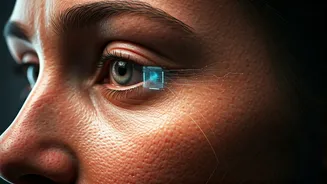
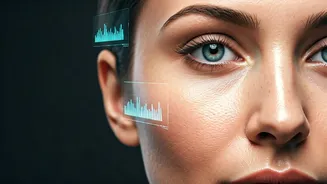
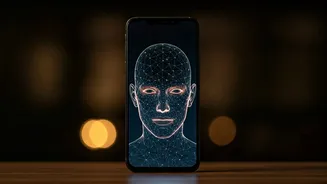
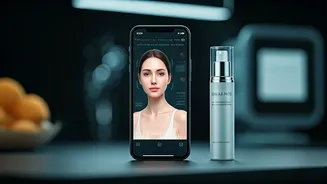
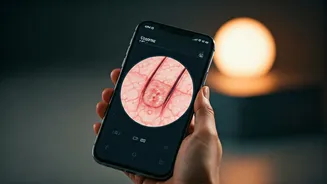
AI skin apps work by using your phone's camera to take a picture of your skin and then comparing it to a massive database of images. An algorithm, often a type of AI called a convolutional neural network, analyses the patterns, colours, and textures in your photo
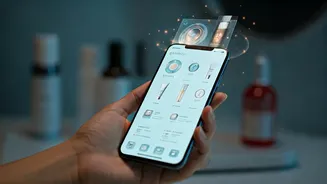
to find a likely match from its library of known conditions. Within seconds, it can offer an assessment, product recommendations, or suggest what your skin concern might be, from acne to more serious issues. For cosmetic concerns like fine lines or for simply tracking changes, this can feel futuristic and empowering. Many apps also offer features to help you monitor your skin over time or learn about skincare ingredients.
What These Apps Get Right
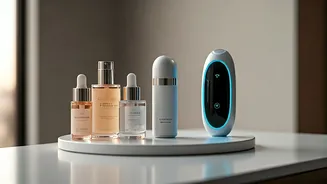
When used correctly, these apps do have benefits. They can be excellent educational tools, helping you learn more about general skin health and different conditions. For non-medical purposes, they can help you track the progress of your skincare routine, monitor cosmetic issues like dark spots, or see how your skin changes over time. Some apps even analyse your skin tone to recommend suitable makeup shades, reducing the trial-and-error of buying foundation. In areas with limited access to dermatologists, they can serve as a first step, prompting users to seek professional care for a suspicious spot they might have otherwise ignored. This can help raise awareness and encourage people to pay more attention to their skin health.
The Critical Blind Spots
The primary danger of these apps lies in their potential for misdiagnosis. Studies have shown their accuracy can be highly variable and sometimes worryingly low. A key issue is dataset bias. Many AI models are trained on images predominantly of lighter skin tones, which means their accuracy can drop significantly for people with darker skin. One study on Indian patients found that while apps showed moderate accuracy for conditions like acne, their performance was poorer for pigmentary disorders and declined with darker skin tones. Furthermore, an app can't perform a physical exam. It can't feel the texture of a lesion, see it under magnification, or ask crucial questions about your medical history—all vital parts of a real diagnosis. This leads to the two biggest risks: false reassurance (an app says a dangerous mole is 'low risk', causing you to delay seeing a doctor) or false alarms that cause unnecessary anxiety and stress.
A Doctor's Perspective
Most dermatologists view AI apps with cautious optimism, seeing them as a potential assistant but never a replacement. The consensus is clear: these apps are not a substitute for a visit to a board-certified dermatologist. While AI can be as accurate as a doctor in highly controlled, laboratory settings, this doesn't reflect real-world use where lighting is poor, camera angles are off, and image quality varies. The American Academy of Dermatology has expressed concern that letting people rely on these apps for a diagnosis can do more harm than good without proper scientific validation. Experts warn that using them for a formal diagnosis can be dangerous, especially for serious conditions like skin cancer where early and accurate detection is critical.
How to Use AI Skin Apps Safely
If you choose to use a skin app, think of it as an educational or tracking tool, not a medical one. Use it to monitor a non-concerning spot for changes over time or to learn about cosmetic skincare routines. Pay attention to your privacy, as you are sharing sensitive health data. Do not use it to self-diagnose a new, changing, or worrying lesion. If an app flags a spot as 'high risk', don't panic—use it as a prompt to schedule an appointment with a qualified dermatologist for a proper evaluation. Conversely, if an app says something is 'low risk', but you are still concerned, always trust your gut and get it checked by a professional. Never let an app's feedback delay you from seeking real medical care.