



Your Body's Natural Air Conditioner
Before we dive into the foods, it's helpful to understand how your body keeps its cool. This process is called thermoregulation. When your internal temperature rises, your brain's 'thermostat', the hypothalamus, kicks into gear. It tells your body to sweat.
As sweat evaporates from your skin, it takes heat with it, effectively cooling you down. This entire system relies on one crucial ingredient: water. Without enough of it, your body can't produce sufficient sweat, making it harder to release heat. Dehydration can thicken your blood, forcing your heart to work harder to circulate it, which can increase your body temperature and put a strain on your system.
Watermelon: The Ultimate Summer Refresher
It's no surprise that watermelon is a summer icon. This fruit is about 92% water, making it incredibly hydrating. But its benefits don't stop there. Watermelon is also a good source of essential electrolytes like potassium. Electrolytes are minerals that are crucial for maintaining fluid balance and nerve function, and you lose them when you sweat. Replenishing them is just as important as replacing lost water. Additionally, watermelon contains lycopene, an antioxidant that helps protect your cells from sun damage.
Cucumber: A Cool and Crisp Choice
With a water content of around 95-96%, cucumbers are one of the most hydrating solid foods you can eat. They are low in calories and surprisingly rich in minerals that support hydration, including potassium and magnesium. Their cooling effect is almost instantaneous. Adding slices to your water, tossing them in a salad, or simply munching on them as a snack is an easy way to boost your fluid intake throughout the day. Some varieties, like Persian or English cucumbers, have thinner skin and smaller seeds, making them even more pleasant to eat raw.
Berries: Small but Mighty Hydrators
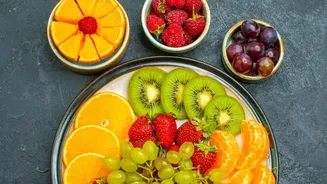
Strawberries, in particular, are composed of about 91% water. Beyond their hydrating properties, they are packed with fibre, vitamin C, and antioxidants. Research has shown that regular consumption of strawberries can help reduce inflammation in the body. Other berries like blackberries and blueberries also have high water content and offer similar nutritional benefits. They are perfect for blending into smoothies, topping yoghurt, or eating by the handful for a sweet, hydrating treat.
Leafy Greens: The Unsung Heroes of Hydration
Don't overlook your salad bowl in the fight against heat. Leafy greens like iceberg lettuce can have a water content as high as 96%. While other varieties like romaine (95%) and spinach (91%) are also excellent choices, providing not just water but also essential nutrients. Spinach is a good source of magnesium, an important electrolyte, while many leafy greens also contain calcium, which plays a role in thermoregulation. Eating a large salad is a delicious and effective way to 'eat' your water.
Yoghurt & Buttermilk: Probiotic Powerhouses
Often considered cooling foods in many traditional Indian households, yoghurt and buttermilk (chaas) are great for summer. Yoghurt is about 85% water and provides a healthy dose of protein, calcium, and potassium. It also contains probiotics, which support gut health. A healthy digestive system works more efficiently, which can help your body stay cool. A simple bowl of curd or a glass of spiced buttermilk can be a refreshing and nourishing way to combat the afternoon heat.
Coconut Water: Nature's Electrolyte Drink
There's a reason coconut water is often called 'nature's sports drink'. It is exceptionally rich in electrolytes, particularly potassium, sodium, and magnesium, which are essential for rehydrating the body after sweating. Its natural sweetness makes it a healthier alternative to sugary soft drinks and juices when you're feeling drained by the heat. It effectively helps restore hydration and balance in the body, making it a perfect beverage for scorching summer days.