






Why Water Is a Balancing Act
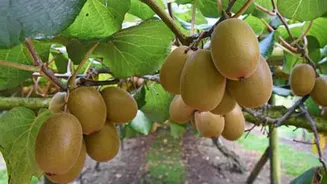
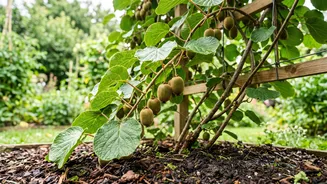
Kiwifruit vines are native to regions with ample rainfall, meaning they have high water needs, especially during the growing season. Consistent moisture is vital for healthy leaf development, strong flowering, and the proper sizing of fruit. However,
there’s a catch: they despise 'wet feet'. Their shallow root systems are prone to root rot if the soil becomes waterlogged, which suffocates the roots and prevents them from absorbing nutrients. This delicate balance makes monitoring soil moisture not just a good practice, but an essential one for any aspiring home gardener.
The Best Way to Check: The Finger Test
While electronic moisture meters are available, the most reliable and accessible tool is right at your fingertips. The 'finger test' is a simple yet effective method for gauging soil moisture where it matters most—at the root zone. To perform the test, push your index finger into the soil near the base of the plant to a depth of about two inches. If the soil at your fingertip feels dry and crumbly, it's time to water. If it feels moist, hold off and check again the next day. This frequent, manual check prevents the common mistake of watering on a rigid schedule, which doesn't account for changes in weather or the plant's growth stage.
Signs of Too Much Water (Overwatering)
Overwatering is a more common problem for beginners than underwatering. Paradoxically, one of the key signs is wilting leaves that feel soft and limp, not dry. This happens because waterlogged roots can no longer take up water, causing the plant to droop as if it's thirsty. Other telltale signs include widespread yellowing of leaves (especially younger ones), the premature dropping of leaves, and a foul or musty smell from the soil, which indicates root rot. In potted kiwis, you might also see mould or algae forming on the soil's surface.
Signs of Too Little Water (Underwatering)
The signs of an underwatered kiwi vine are more straightforward. The plant will look visibly thirsty. Its leaves may wilt or droop, but they will feel dry and crispy to the touch, particularly around the edges. The soil will have pulled away from the sides of the pot or feel hard and dry deep down. Slow or stunted growth and a failure to produce fruit are also long-term indicators that the vine isn't receiving enough consistent moisture to thrive. A plant that perks up quickly after a deep watering was almost certainly underwatered.
Building a Foundation for Success
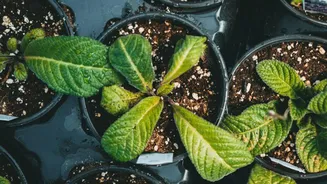
Proper watering technique starts with the right foundation. Kiwifruit vines demand well-drained, sandy loam soil that is rich in organic matter. Before planting, amend your soil with compost or well-rotted manure to improve its structure and fertility. This ensures that the soil can retain adequate moisture without becoming waterlogged. For potted plants, a mix of compost, peat moss, and perlite can create an ideal growing medium that provides both moisture retention and excellent drainage. Aim for a slightly acidic soil pH between 6.0 and 7.0 for optimal nutrient uptake.
Smart Watering Strategies
When your finger test indicates it's time to water, do so deeply and thoroughly until water runs from the bottom of the pot or the soil is saturated several inches down. This encourages a deep, strong root system. It's far better to water deeply once or twice a week during dry spells than to give the plant small, shallow drinks every day. Allow the top layer of soil to dry out between sessions. Always water the soil at the base of the plant in the morning to minimize evaporation and reduce the risk of fungal diseases.