

The Growing Buzz Around Dietary Fibre
Dietary fibre, a type of carbohydrate the body can't digest, has become a hero in the world of nutrition. It's best known for keeping our digestive system healthy and preventing constipation. But its benefits go much further. There are two main types:
soluble fibre, which dissolves in water to form a gel-like substance, and insoluble fibre, which adds bulk to stool. A diet rich in both can help regulate blood sugar levels, lower bad cholesterol, and may reduce the risk of chronic conditions like heart disease and type 2 diabetes. It also helps you feel full for longer, which can aid in weight management. While experts recommend adults consume between 25 to 40 grams of fibre daily, studies show many urban Indians get only about half that amount, largely due to a rise in refined and processed foods.
Return to Whole Grains and Millets
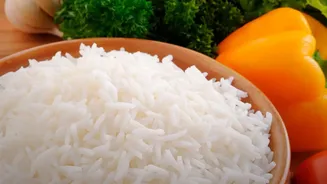
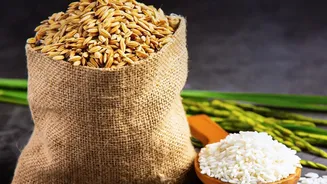
The simplest way to boost fibre intake is by swapping refined grains for whole ones, a practice inherent to traditional Indian cooking. Instead of white rice and maida-based breads, opt for whole wheat atta for your rotis and parathas. Millets, our ancient superfoods, are making a powerful comeback for good reason. Grains like jowar (sorghum), bajra (pearl millet), and ragi (finger millet) are fibre powerhouses. For instance, a jowar or bajra roti contains significantly more fibre than one made from refined flour. Starting your day with millet-based breakfasts like ragi dosa or vegetable dalia, or simply mixing millets into your regular rice, can make a huge difference in your daily fibre count.
The Unsung Heroes: Dals and Legumes
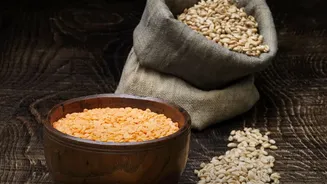
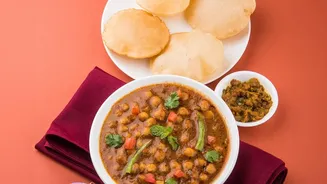
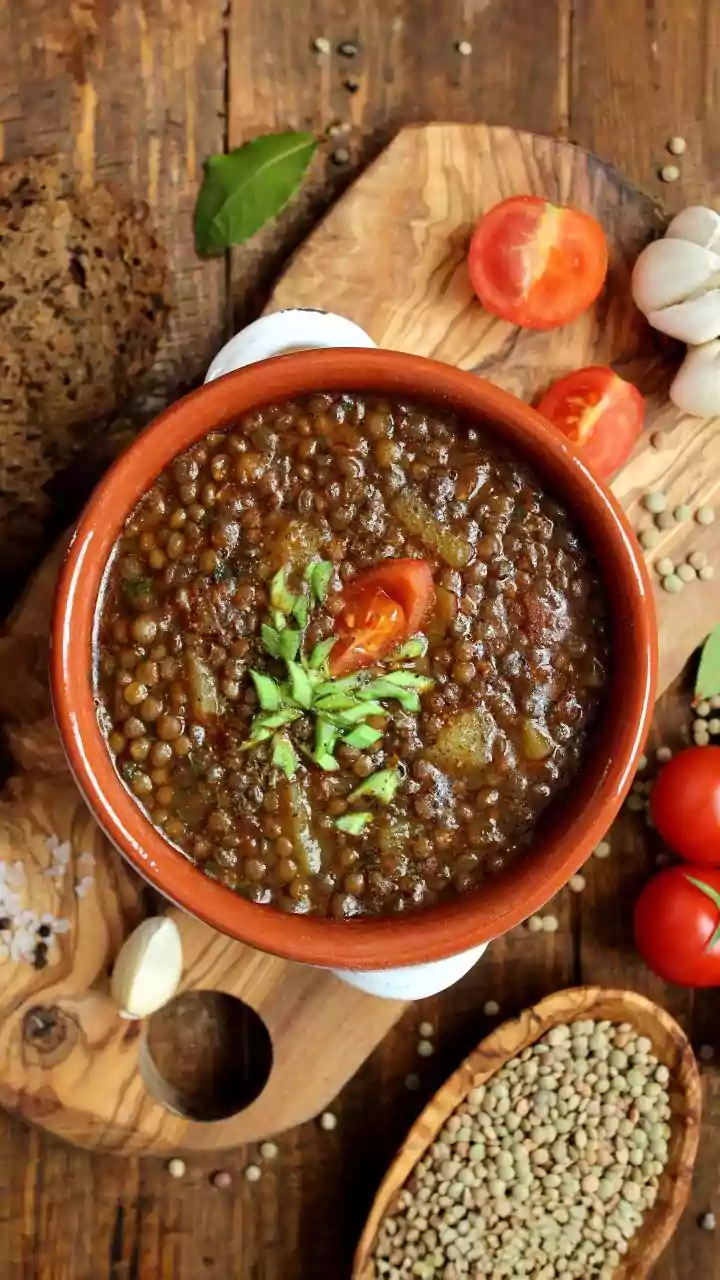
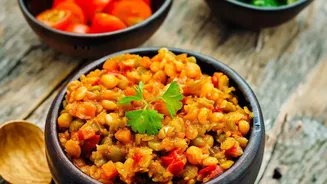
Lentils and legumes are the heart and soul of Indian cuisine, offering a fantastic combination of protein and fibre. A daily bowl of dal—be it toor, masoor, or moong—is a cornerstone of a balanced, high-fibre diet. Dishes like rajma (kidney beans) and chole (chickpeas) are not just Sunday lunch favourites; they are incredibly rich in fibre. For example, a single cup of cooked lentils can provide over 15 grams of fibre, which is more than half the recommended daily amount for many adults. Incorporating sprouted lentils into salads and snacks is another excellent way to enhance both fibre and overall nutritional value.
Embrace a Rainbow of Vegetables
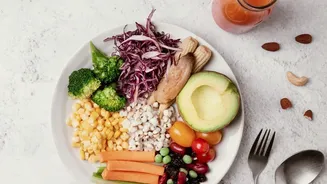
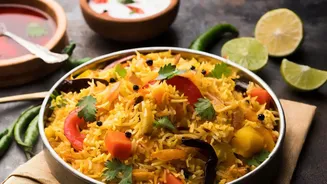
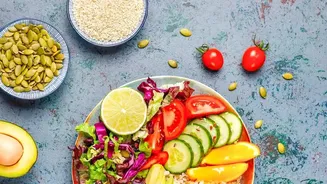
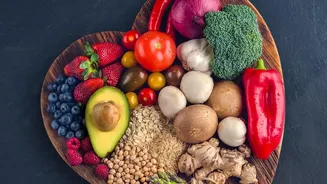
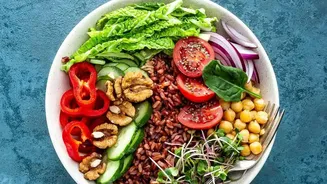
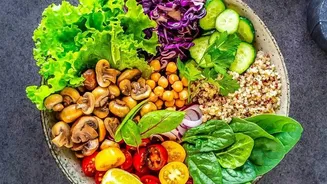
Indian cooking celebrates a vast array of vegetables, many of which are packed with fibre. A 'sabzi' is a non-negotiable part of a typical Indian thali. Vegetables like bhindi (okra), gawar (cluster beans), sweet potato, and leafy greens like spinach (palak) and fenugreek (methi) are excellent sources. Okra is particularly noted for its soluble fibre, which aids digestion. Sweet potato provides both soluble and insoluble fibre and is a versatile addition to meals. The key is to make vegetables a central part of your plate, not just a small side dish. A colourful plate with a variety of seasonal vegetables ensures a good mix of different types of fibre and micronutrients.
Fruits, Nuts, and Seeds as Easy Boosters
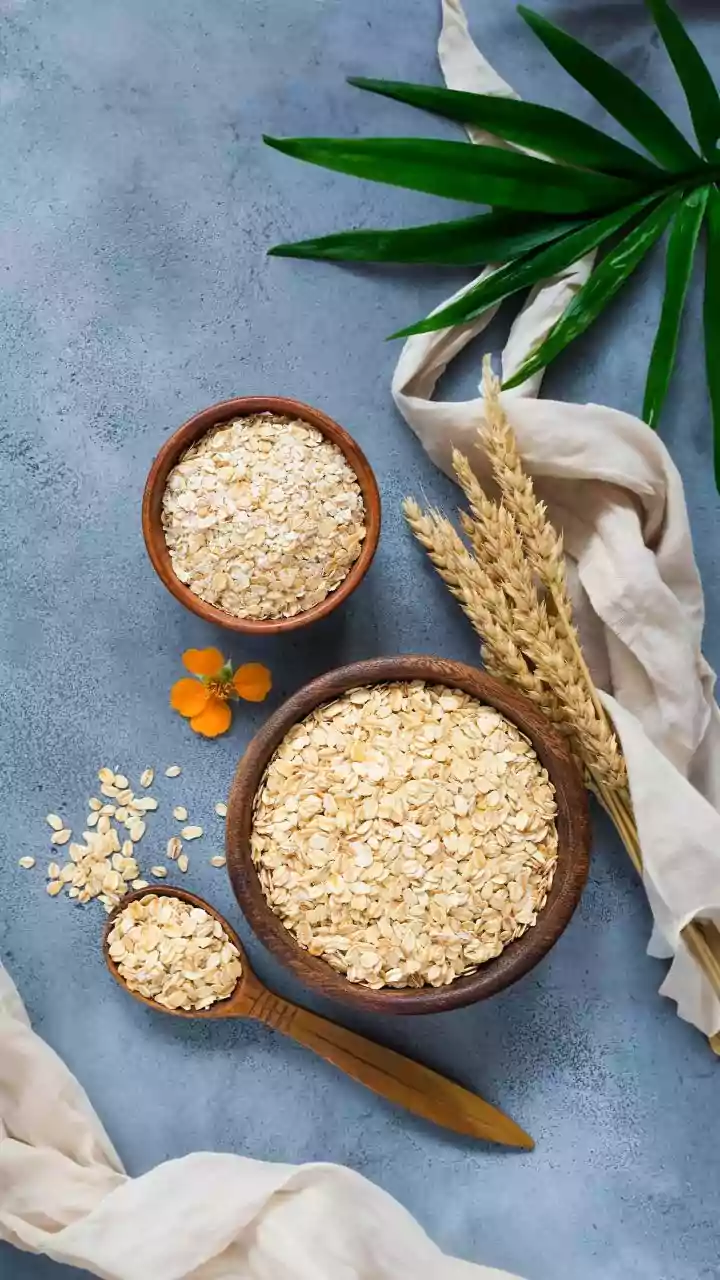
Finally, don't forget the small additions that can make a big impact. Fruits commonly found in India, like guava, apples, and bananas, are great sources of fibre. Guava, in particular, is one of the most fibre-rich fruits available. Eating fruits with their skin on (when edible) significantly increases their fibre content. For a quick and easy fibre boost, sprinkle a spoonful of flax seeds or chia seeds over your curd, oatmeal, or salads. A handful of roasted chana or almonds for a mid-day snack is a far healthier and more fibrous choice than packaged biscuits. These simple habits can help you effortlessly bridge the fibre gap in your diet.