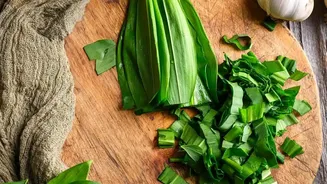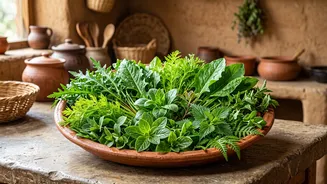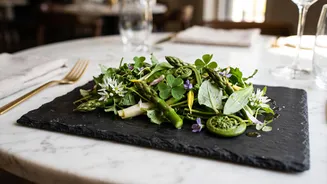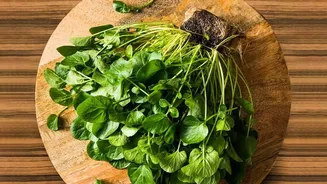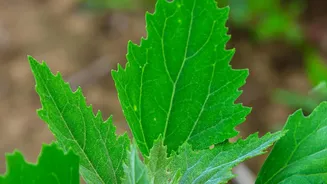




The next time you see an unfamiliar green on your plate at a high-end restaurant, it might not be an exotic import. Instead, it may have been gathered from the forests of Central India, thanks to a growing movement connecting chefs with tribal foragers.
A New Culinary Frontier
A quiet revolution is taking place in India’s fine-dining kitchens. Chefs, driven by a desire for unique flavours and sustainable ingredients, are looking beyond conventional supply chains and into the wild. This has led to exciting partnerships with tribal communities in states like Madhya Pradesh, Jharkhand, and Chhattisgarh, who possess generations of knowledge about edible forest produce. Restaurants in cities like Mumbai and Delhi are now featuring hyperlocal ingredients that were, until recently, known only to the communities that have lived off the land for centuries. This trend is about more than just novelty; it's a rediscovery of India's immense biodiversity and a nod to the deep-rooted food traditions of its indigenous people.
Keepers of the Forest
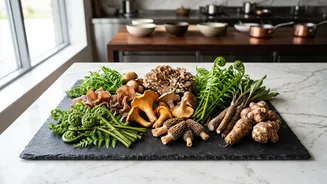
For tribal communities like the Gond, Baiga, and Oraon, the forest is a pantry. Their traditional knowledge of wild edible plants—from leafy greens and tubers to flowers and mushrooms—is a crucial part of their cultural identity and food security. This expertise, passed down through generations, allows them to identify and sustainably harvest plants that are not only edible but often packed with nutrients and medicinal properties. These foraged foods, often free from pesticides and chemicals, are more nutrient-dense than many cultivated vegetables. As chefs begin to appreciate these benefits, the traditional knowledge of these communities is finally being recognised for its immense value.
From Forest to Five-Star
Forging these connections is a complex but rewarding process. Some chefs and restaurateurs build direct relationships, travelling to villages to meet with foragers and learn about the ingredients firsthand. Others work with intermediaries and social enterprises that act as a bridge, ensuring fair prices and ethical sourcing. These collaborations create a value chain that respects both the ecosystem and the community. For instance, chefs might agree to purchase whatever is available in abundance, ensuring that the foraging doesn't deplete resources needed by the community. This model challenges the conventional, large-scale agricultural system by prioritising seasonality, local ecosystems, and direct human connection.
The Taste of the Wild
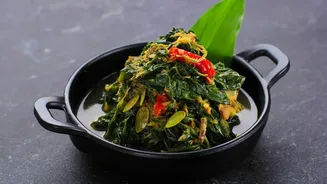
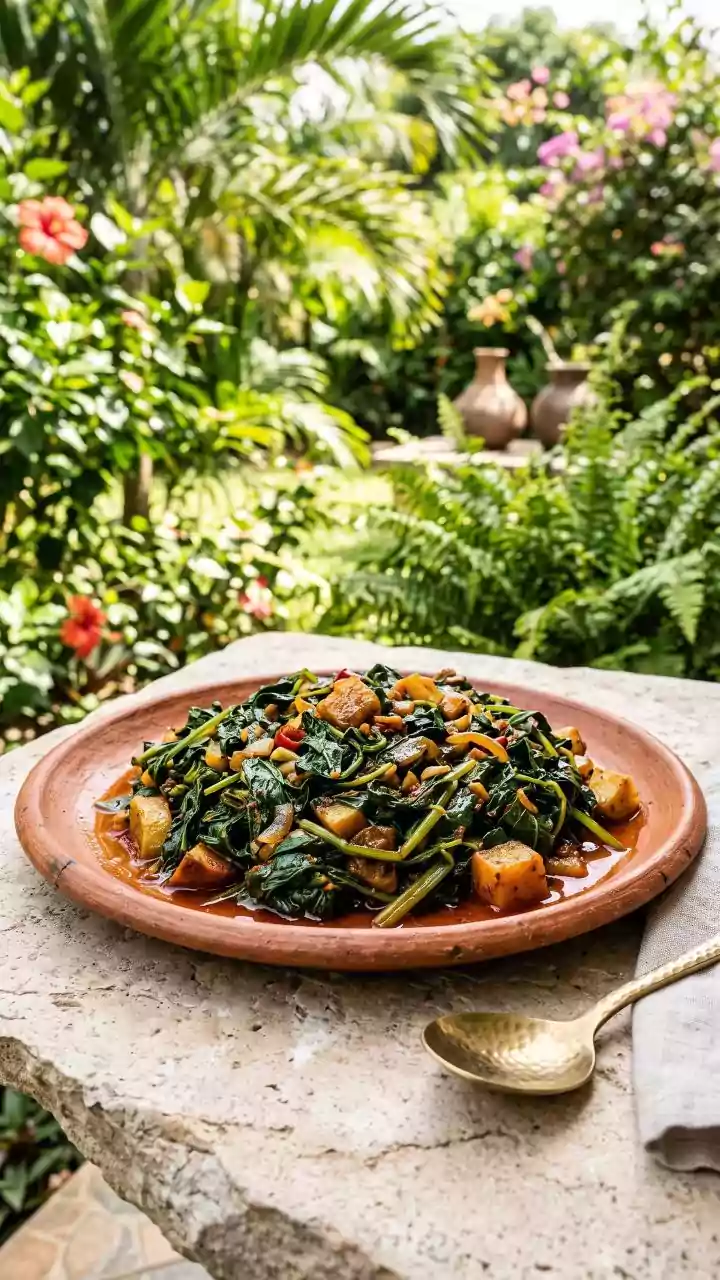
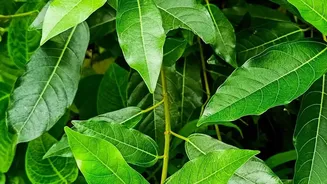
So, what are these rare ingredients finding their way onto urban menus? The list is long and varied. Diners might encounter 'shevla' (dragon stalk yam), a monsoon delicacy, or 'kartule' (spiny gourd), known for its unique texture. There are also leafy greens like 'gondhni' and flowers like the 'mahua', which is used in both sweet and savoury dishes. Many of these plants are not just food; they are considered functional foods, providing significant health benefits like antioxidants and essential micronutrients. By introducing these ingredients, chefs are not only diversifying their menus but also educating diners about a culinary heritage that has been largely invisible to mainstream India.
A Mutually Beneficial Harvest
This emerging trend offers a win-win scenario. For restaurants, it provides access to unique, flavourful, and sustainable ingredients that come with a powerful story. For the tribal communities, it creates a vital source of supplementary income and economic empowerment. These partnerships provide a financial incentive to preserve the forests and the traditional knowledge associated with them, which is increasingly under threat from modern diets and environmental degradation. By placing a commercial value on these wild foods, the collaboration helps validate and sustain the cultural practices of foraging, ensuring this ancient wisdom is passed on to future generations.