


Why Adulteration Is Common During Festivals
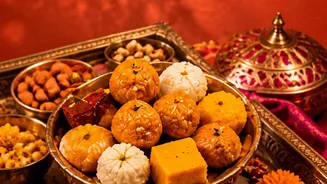
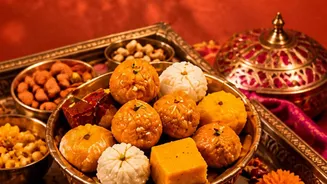
The demand for sweets like ladoos, barfis, and gujiyas soars during Diwali. To meet this demand and maximize profits, some unscrupulous sellers resort to adulterating key ingredients. Ghee, the golden elixir of Indian cooking, and khoa (or mawa), the dense
milk solid base for most mithai, are prime targets. Adulterants can range from relatively harmless fillers like starch to dangerous substances like unhealthy vegetable fats, detergent, and urea, which pose significant health risks. Being a vigilant consumer is your first line of defence against these harmful practices.
Testing Ghee for Purity at Home
Pure ghee has a characteristic rich aroma and granular texture. However, looks can be deceiving. Here are a few simple tests you can perform at home to check for common adulterants before you start your festive cooking.
The Heat Test for Ghee
This is one of the simplest methods. Heat a teaspoon of ghee in a pan. Pure ghee will melt quickly and turn into a clear, golden-brown liquid with a nutty aroma. If it takes longer to melt, produces a crackling sound, or emits an unpleasant smell, it may be adulterated. Adulterated ghee might also leave behind a residue or turn dark brown instead of golden.
Checking for Vanaspati and Other Oils
Vanaspati (hydrogenated vegetable oil) is a common, cheaper fat mixed into ghee. To test for it, melt a spoonful of ghee and pour it into a transparent jar. Place it in the refrigerator. Pure ghee will solidify uniformly in a single layer. If you see separate layers of liquid and solid, it indicates the presence of other oils. Another reliable method is the palm test; pure ghee will start to melt from your body heat when rubbed on your palm, while adulterated ghee may feel sticky and greasy.
The Iodine Test for Starch
Some sellers add starch, like mashed potatoes, to increase the volume of ghee. To detect this, melt a small amount of your ghee sample and let it cool. Add a few drops of a tincture of iodine solution. If the ghee turns blue or purple, it confirms the presence of starch. Pure ghee will not change colour.
Identifying Pure Khoa (Mawa)
Khoa is the heart of many Indian sweets, and its purity is crucial for both taste and safety. Fresh, unadulterated khoa has a slightly oily, grainy texture, a milky aroma, and a faintly sweet taste. Adulterated khoa often feels unnaturally smooth or sticky.
The Starch Test for Khoa
Starch is the most common adulterant in khoa, used to add bulk. The Food Safety and Standards Authority of India (FSSAI) recommends a simple test. Take a small amount of khoa and boil it in a cup of water. Once it cools down, add a drop or two of iodine solution. If the mixture turns blue, it indicates the presence of starch. Pure khoa will not change colour.
The Rub and Taste Test
A quick sensory check can often reveal a lot. Before buying, take a small pinch of the khoa and rub it on your palm. Pure khoa will feel grainy and leave a slight greasy film. It should not feel sticky. Next, taste a tiny amount. Pure khoa will have a pleasant, rich milky flavour. If it tastes unusually sweet, chalky, or soapy, it is likely adulterated.