

A Shift from Nutrients to Patterns
For years, nutrition advice often felt like a checklist of vitamins and minerals, leading to confusion and fad diets. The 2026 UN report, officially titled 'Integrating food and health systems for climate-resilient nutrition', argues that a healthy diet is about
the bigger picture. It’s less about isolating specific 'good' or 'bad' foods and more about creating a dietary pattern that is diverse, adequate, and moderate. The report highlights that while progress has been made in combating hunger, diet-related non-communicable diseases like diabetes and heart disease are rising globally, a trend strongly linked to imbalanced eating. This signals a global consensus: building a healthy plate is more effective than just counting milligrams of nutrients.
The Core Principles of a Balanced Meal
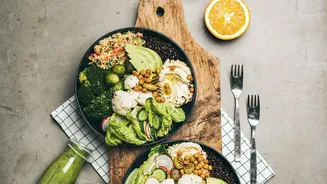
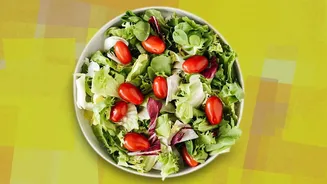
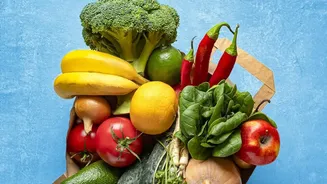
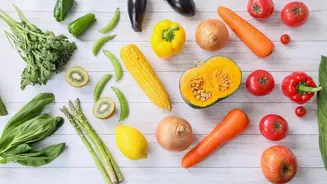
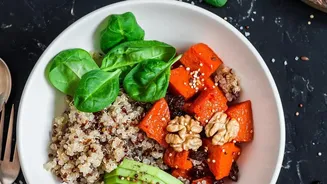
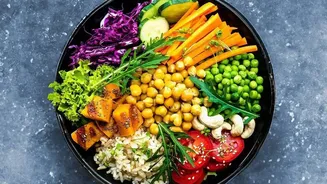
According to the report's underlying message, a balanced meal isn't complicated. It's built on variety and proportion. Global health bodies like the WHO now emphasize a few key principles which are echoed in the UN's findings. Aim to fill half your plate with fruits and vegetables. These provide essential vitamins, minerals, and fibre. One-quarter of your plate should be dedicated to whole grains like brown rice, whole wheat, millets (jowar, bajra), or oats. The final quarter should be a source of quality protein, which can include dals, legumes, eggs, lean meats, or paneer. This approach ensures you get a wide spectrum of nutrients in every meal, promoting satiety and stable energy levels.
The Indian Thali: A Perfect Model
The principles highlighted in the UN report are already embedded in traditional Indian food culture, particularly in the concept of the thali. A well-constructed thali is a masterclass in balanced eating. It typically features a small portion of rice or a couple of rotis (carbohydrates), a dal or legume curry (protein and fibre), a seasonal vegetable preparation (sabzi for vitamins and minerals), a salad, and a small serving of yoghurt (raitas for probiotics and protein). This is not about restriction but about rhythm and balance. The report's focus on dietary patterns validates this age-old Indian tradition as a practical and effective way to ensure nutritional diversity in every meal.
Challenges and Opportunities in India
While the framework for healthy eating exists, the report also acknowledges significant challenges. The rising cost of healthy food is a major barrier. As of 2025, over a third of India's population could not afford a nutritionally adequate diet, even as overall hunger has decreased. The cost of preparing a healthy meal in India has risen significantly, outpacing wage growth for many. However, the report also points to positive trends, noting that India is a key driver in the decline of people unable to afford a healthy diet in lower-middle-income countries. The recommendations call for strengthening food supply chains and supporting the cultivation of diverse local crops, like millets, to make nutritious options more affordable and accessible for all.
Small Steps to a Balanced Plate
Adopting the report's recommendations doesn't require a complete overhaul of your diet. Start with small, manageable changes. If you eat rice, try swapping white for brown rice a few times a week. Add a simple salad or a side of steamed vegetables to your lunch and dinner. Ensure there's a protein source like dal, chickpeas, or paneer in your main meals to keep you full and satisfied. Think of it as an upgrade, not a restriction. Choosing minimally processed foods and reducing intake of added sugars and unhealthy fats are other key recommendations that can have a significant impact on long-term health.