




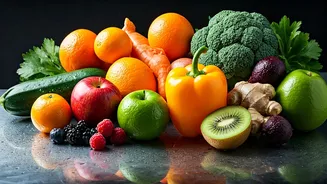


Leafy Greens: A Surprising Risk
While vegetables like spinach, cabbage, and cauliflower are staples of a healthy diet, they require extra caution during the monsoon. The damp, humid conditions are ideal for bacteria, fungi, and insects to flourish. These contaminants can easily hide
within the leaves and florets, making them difficult to wash away completely. The grime and moisture present in these vegetables make them highly susceptible to germs that can lead to stomach infections. Consuming them raw in salads is particularly risky. If you do choose to eat them, ensure they are sourced from a trusted vendor, washed meticulously in clean water, and cooked thoroughly to kill any harmful microorganisms.
Street Food: The Tempting Trap
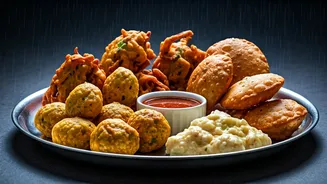
The craving for hot pakoras or a plate of chaat intensifies when it rains, but street food is one of the biggest culprits behind monsoon illnesses. The primary issue is the high risk of contamination. Street vendors often operate in open, unhygienic conditions where food is exposed to flies and polluted rainwater. The water used for making items like pani puri may not be purified, creating a breeding ground for bacteria that cause diseases like diarrhoea, typhoid, and jaundice. The high humidity also accelerates the spoilage of ingredients like chutneys and sauces.
Fried and Oily Foods: Heavy on Digestion
Deep-fried snacks are a popular monsoon indulgence, but they can be hard on your digestive system. According to health experts, our metabolism tends to slow down during the rainy season. Heavy and oily foods are difficult to digest and can lead to uncomfortable issues like bloating, acidity, and indigestion. Furthermore, street-side fried snacks are often cooked in oil that has been reused multiple times, which can be detrimental to your health. To keep your gut happy, it is advisable to opt for lighter, home-cooked meals and snacks like steamed corn or warm soups.
Seafood: A Question of Freshness and Safety
It is wise to be cautious with fish and other seafood during the monsoon months. This period is the breeding season for many types of fish, which leads to fishing bans along parts of India's coasts to protect the ecosystem. Consequently, the seafood available in the market may not be fresh and could be preserved with chemicals. The increased water pollution from rainwater runoff can also contaminate the fish, exposing them to harmful bacteria and toxins. Consuming contaminated or spoiled seafood significantly increases the risk of food poisoning and severe gastrointestinal infections. If you must have seafood, ensure it is from a reliable source and cooked thoroughly until it is piping hot.
Pre-Cut Fruits and Raw Salads: A Haven for Germs
Fruits and salads that have been cut and left exposed, especially those sold by street vendors, are another food category to avoid. The high moisture in the monsoon air promotes rapid bacterial growth on the cut surfaces. Consuming these can easily lead to stomach infections. It is much safer to buy whole fruits and vegetables, wash them thoroughly at home with clean water, and consume them immediately after cutting. Instead of raw vegetable salads, consider lightly steaming or grilling your vegetables, as the heat helps eliminate potential pathogens.
Certain Dairy Products: Handle with Care
Dairy products like paneer and curd can also pose a risk during the monsoon if not handled correctly. The humid weather can cause them to spoil faster than usual. While some experts recommend probiotics like fresh curd to maintain gut health, others advise caution, especially for those prone to colds and sinus issues. It's best to consume fresh dairy products and avoid any that have been stored for a long time. Drinking milk warm, perhaps with a pinch of turmeric, is often recommended over consuming it cold.