
Understanding the August Spectacle
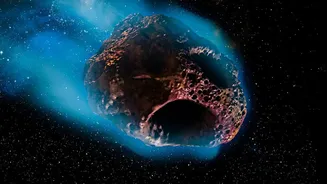
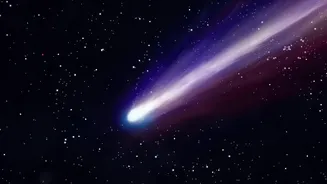
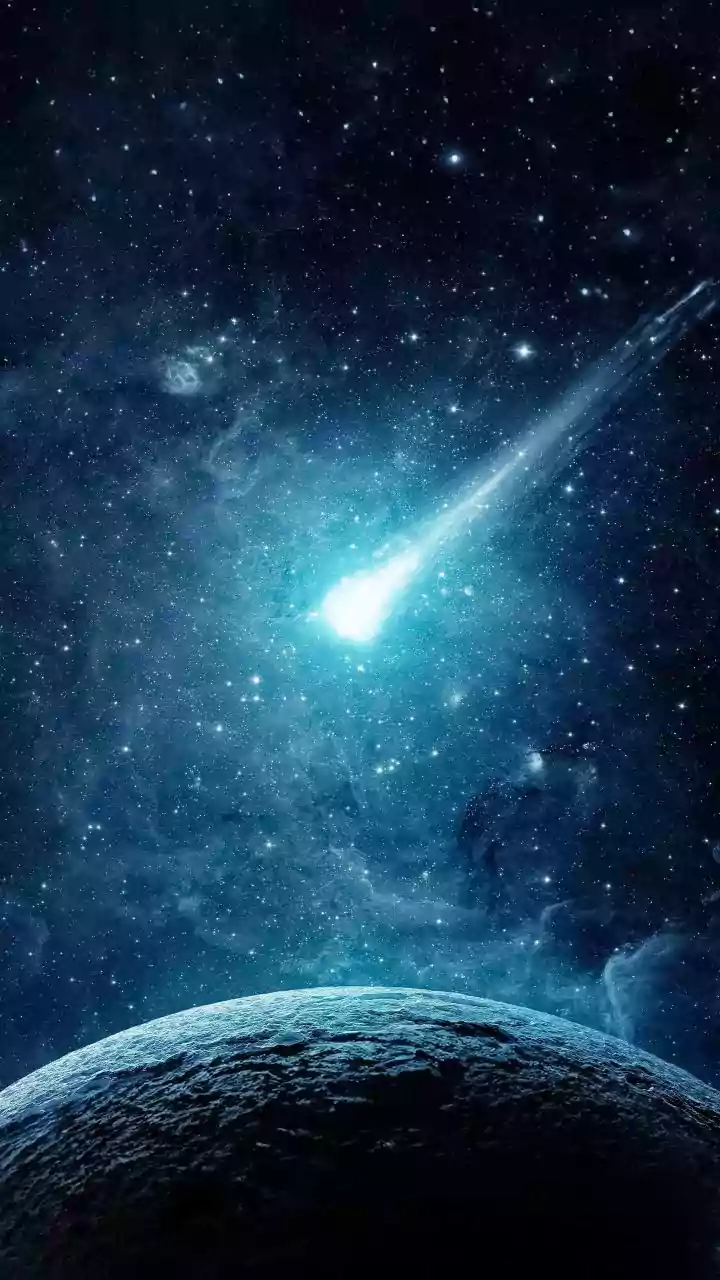
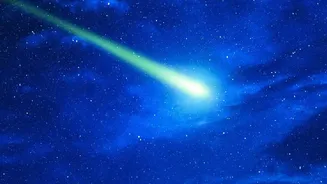
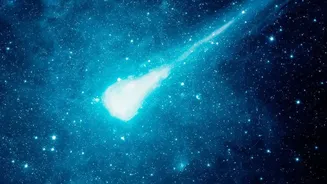
The “August Peak” refers to the Perseid meteor shower, one of the best and brightest meteor showers of the year. These are not actually shooting stars, but tiny bits of space debris—most no larger than a grain of sand—left behind by a comet named 109P/Swift-Tuttle.
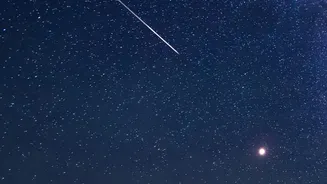
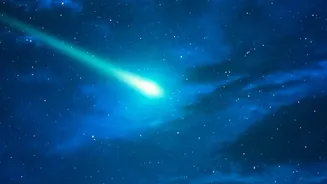
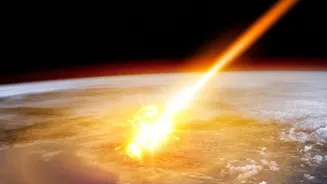
Each year, as Earth orbits the sun, it passes through this trail of dusty debris. The particles enter our atmosphere at incredible speeds, around 59 kilometres per second, and burn up, creating the brilliant streaks of light we see from the ground. The shower gets its name because the meteors appear to radiate from the constellation Perseus.
Mark Your Calendar for Peak Viewing
In 2026, the Perseid meteor shower is active from July 17 to August 24. However, the best time to watch will be during its peak, on the night of August 12 and into the early morning of August 13. This year offers a particularly special treat for skywatchers, as the peak coincides with a new moon. This means the sky will be exceptionally dark, without the moon's glow acting as natural light pollution, making for ideal viewing conditions. Under these perfect, dark-sky conditions, you could see between 50 and 90 meteors per hour. The best viewing window is generally between midnight and the hours just before dawn.
The Importance of Escaping the Glow
The headline is not an exaggeration: moving away from city lights is the single most important factor for a successful viewing experience. Urban and suburban light pollution creates a perpetual twilight that washes out all but the brightest celestial objects. To see the fainter, more numerous Perseids, you need a truly dark sky. Finding a location away from streetlights and building illumination will dramatically increase the number of meteors you can spot. Consider driving out to a rural area, a designated dark-sky park, or even a local park with an open field that is shielded from direct light. Even turning your back to the nearest street lamp can make a difference if you are unable to travel.
Your Ultimate Viewing Guide
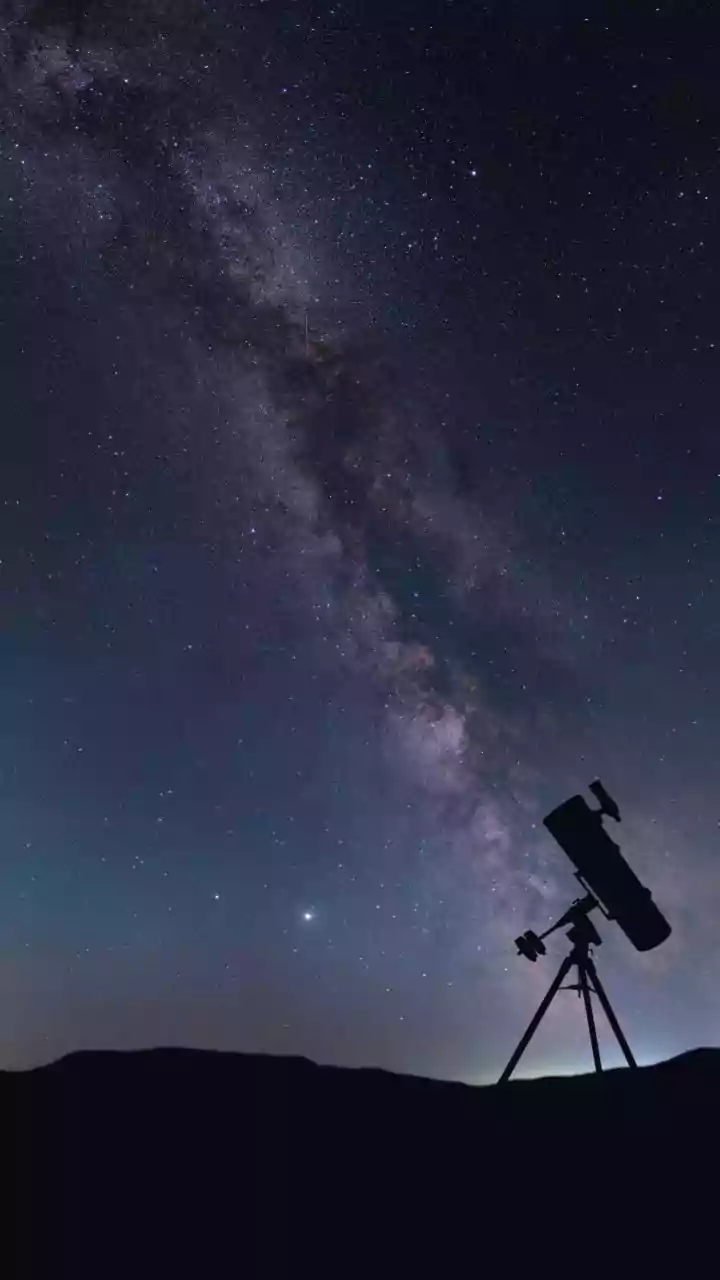
You don't need a telescope or binoculars; in fact, they are not recommended as they restrict your field of view. Your eyes are the only tool you need. Find a comfortable spot where you can recline and see as much of the sky as possible—a lounge chair or a simple blanket on the ground works perfectly. Give your eyes at least 15 to 20 minutes to fully adjust to the darkness; this means putting your phone away, as its bright screen will ruin your night vision. Meteors can appear anywhere in the sky, so you don't need to stare at the radiant point in Perseus. Looking about 45 degrees away from the radiant can actually allow you to see meteors with longer, more dramatic trails. Finally, dress warmly, even on a summer night, as temperatures can drop in the early morning hours.
Patience and What to Expect
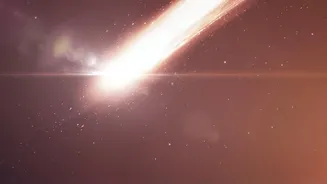
Meteor watching is a game of patience. The meteors often come in spurts, with lulls in between. Don't be discouraged if you don't see one right away. Just lie back, relax, and enjoy the vastness of the night sky. You’ll be looking for quick, bright streaks of light. The Perseids are known for being fast and often leave behind persistent, glowing trails that can linger for a few moments after the meteor itself has vanished. Some larger pieces of debris can create exceptionally bright meteors known as fireballs, which are a spectacular sight. While the Northern Hemisphere has the best view, the shower is visible from the Southern Hemisphere as well, just with fewer meteors.