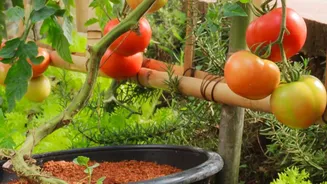





The November Tomato Challenge
Let’s be clear from the start: planting a tomato seed or seedling on an outdoor balcony in a cold northern climate in November will not yield a harvest. Tomatoes are heat-loving plants that are extremely sensitive to cold and will not survive frost. The
dream, however, isn't lost. The secret to 'November tomatoes' isn't about braving the outdoor cold, but rather about changing the environment. Success means either bringing a plant indoors to live as a houseplant or taking cuttings from a healthy summer plant to grow inside through the winter. This transforms the project from a hopeless outdoor endeavour to a rewarding indoor gardening challenge.
Choose the Right Tomato Variety
For this indoor project, not just any tomato plant will do. The best choices are 'determinate' or 'dwarf' varieties, which are naturally compact and better suited for container life. Varieties like 'Tiny Tim', 'Micro Tom', and 'Red Robin' are specifically bred for small pots and don't grow into the massive vines that indeterminate types do. These micro-dwarf plants can thrive in smaller containers and are more manageable under indoor lighting. You can start them from seed indoors at any time, or you can propagate a new plant by taking a cutting from a favourite determinate or indeterminate plant from your summer garden before the first frost. This gives you a mature plant ready to get a head start.
The Perfect Indoor Potting Setup
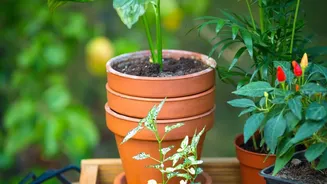
Your indoor tomato needs a proper home. Even for dwarf varieties, choose a container that holds at least 5 gallons of soil to give the root system adequate space. For the smallest micro-dwarf types, a 1- or 2-gallon pot might suffice. Good drainage is non-negotiable, so ensure your pot has holes at the bottom. Use a high-quality, peat-based potting mix, not heavy garden soil. Amending the mix with perlite or vermiculite will improve aeration and drainage, which is crucial for preventing root rot in an indoor environment where soil dries more slowly. A self-watering container can also be a great option to maintain consistent moisture without waterlogging the plant.
Let There Be (Artificial) Light
Here is the single most critical factor for success: light. A northern balcony or a sunny windowsill in winter simply does not provide the 12 to 16 hours of intense light that a tomato plant needs to produce fruit. You must supplement with artificial light. Thankfully, this doesn't require a professional setup. Energy-efficient LED grow lights are widely available and effective. You can use simple clamp lights with grow bulbs or hang a shop light fixture from a shelf. Position the lights 6 to 12 inches above the plant and use a timer to ensure they receive a consistent 16–18 hours of light per day. This mimics the long days of summer and is essential for flowering and fruiting.
Mastering Temperature and Care
Tomatoes thrive in warmth. Maintain a consistent indoor temperature between 18–29°C and keep the plant away from cold drafts from windows or doors. Because you are growing indoors, you also need to play the part of the bee. When the plant produces small yellow flowers, you'll need to hand‑pollinate them by gently shaking the branches or tapping the flowers to release pollen. Water when the soil feels dry to the touch, but be careful not to overwater, a common mistake with indoor plants. Feed your plant with a balanced liquid fertiliser every couple of weeks, as tomatoes are heavy feeders and will quickly deplete the nutrients in their container.