






The Great Indian Dietary Shift
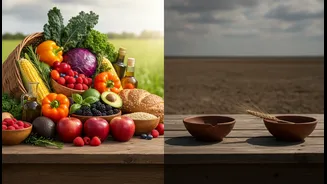
Across India, a significant dietary transition is underway. For generations, Indian meals were dominated by cereals, pulses, and seasonal vegetables. Now, factors like rising incomes, urban lifestyles, and the availability of packaged foods are changing
what we eat. We are consuming fewer coarse grains and more fats, sugars, and processed items. This has led to a unique public health challenge known as the 'double burden of malnutrition': the coexistence of undernutrition, particularly deficiencies in essential vitamins and minerals, alongside a rapid increase in overnutrition, leading to obesity and non-communicable diseases like diabetes and heart conditions. Understanding this shift is the first step toward making informed choices in the modern grocery aisle.
Decoding Macros: Calories and Protein
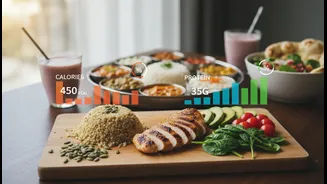
Calories and protein are the 'macro' or large-scale nutrients that often get the most attention. Calories are simply a measure of energy. The latest guidelines from the Indian Council of Medical Research (ICMR) provide specific energy requirements based on age, gender, and activity level. Protein is the building block for our body's muscles and tissues. The ICMR recommends a protein intake of about 0.83 grams per kilogram of body weight for a healthy adult, ideally from a mix of sources. While packaged foods list calories and protein, it's crucial to consider the source. Calories from whole foods like dals, millets, and vegetables are accompanied by fibre and other nutrients, unlike 'empty calories' from sugary drinks or fried snacks.
Micronutrients: The Unsung Heroes
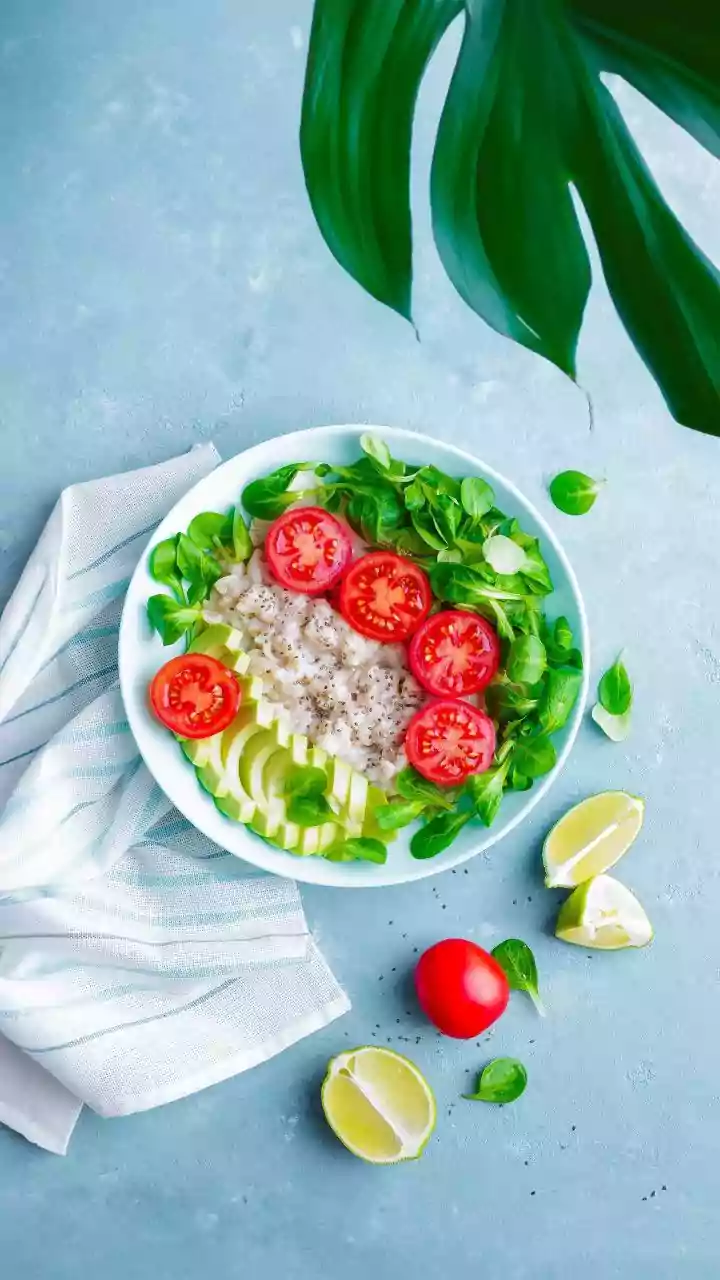
Vitamins and minerals are the 'micronutrients' – required in smaller amounts but absolutely vital for our health. Deficiencies in micronutrients like iron, folate, Vitamin A, and zinc are widespread in India, a condition often called 'hidden hunger'. This can occur even in people who are consuming enough calories. The 2024 ICMR guidelines place a strong emphasis on increasing the intake of vegetables, especially green leafy ones, to combat these deficiencies. When you look at a food product, don't just stop at calories and protein. Check if it is fortified with or naturally contains key vitamins and minerals. A balanced diet must be rich in both macronutrients and micronutrients to truly be healthy.
A Practical Guide to Indian Food Labels
Reading a nutrition label in India, as mandated by the Food Safety and Standards Authority of India (FSSAI), can feel daunting, but it's simple once you know what to look for. First, check the serving size; all the values on the label are based on this amount, which might be smaller than what you typically eat. Look at the energy (in kcal), protein, and total fat. Pay attention to sub-categories like saturated fat and trans fat, which should be kept to a minimum. Under carbohydrates, check for 'total sugars' and 'added sugars'—less is better. Finally, scan the ingredient list. Ingredients are listed in descending order by weight, so the first few items make up most of the product. Prioritise products with whole foods listed first over those that start with sugar, refined flour (maida), or oils.
Building a Balanced Thali 2.0
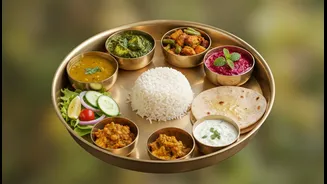
The traditional Indian thali is an excellent model for a balanced meal. The ICMR-NIN's 'My Plate for the Day' concept adapts this for modern needs, recommending that half your plate should consist of fruits and vegetables. The other half should be divided between cereals/millets, and protein sources like pulses, eggs, or meat, along with a portion of dairy and healthy fats from nuts and seeds. By applying what you've learned from food labels, you can consciously build a better thali. For instance, choose whole grain rotis over refined flour naans, ensure a generous portion of dal or legumes for plant-based protein, and include a colourful variety of vegetables to cover your micronutrient needs. This approach combines the wisdom of tradition with modern nutritional science.