


Your Front Row Seat to Space
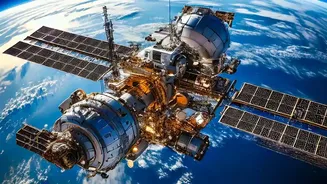
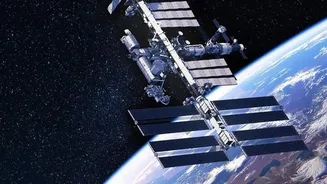
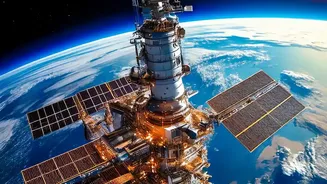
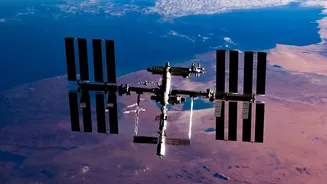
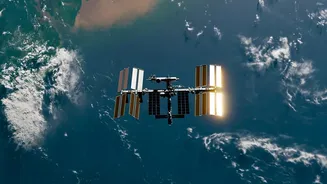
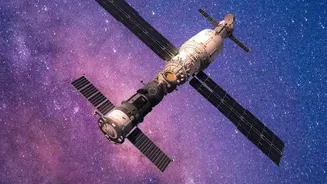
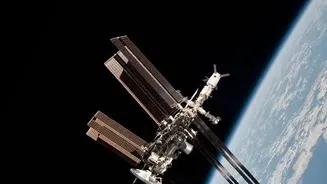
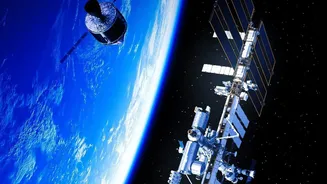
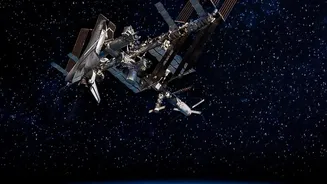
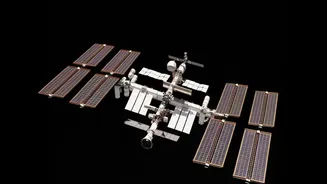
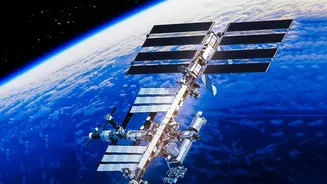
Orbiting roughly 400 kilometres above Earth, the International Space Station (ISS) is a marvel of human engineering and collaboration. It speeds around the globe at 28,000 kilometres per hour, completing about 16 orbits every day. While you can't see
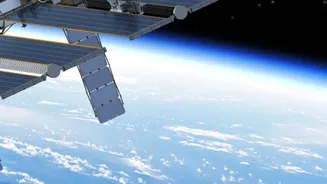
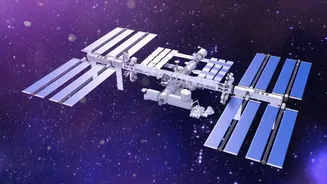
the astronauts on board, you can easily see the station itself without a telescope. It appears as a very bright, fast-moving point of light, similar to an airplane but without the flashing lights. It’s visible because its massive solar panels reflect sunlight, making it one of the brightest objects in the night sky, often outshining every star and planet.
Pinpoint Passes with These Top Apps
The key to a successful sighting is knowing exactly when and where to look. Thankfully, your smartphone can act as your personal mission control. Several apps use your phone’s GPS to provide precise predictions for ISS passes over your location. NASA’s official 'Spot The Station' app (available for iOS and Android) is a fantastic starting point, offering sighting alerts, a real-time tracker, and even an augmented reality (AR) view to help you find the station in the sky. Other highly-rated options include 'ISS Detector', which also tracks other satellites, and 'Heavens-Above', a long-standing favourite among skywatchers for its detailed predictions.
The Science Behind the Sighting
For the ISS to be visible, two conditions must be met: it must be flying overhead, and the timing has to be just right. The best viewing opportunities occur shortly before sunrise or after sunset. During these twilight hours, the sky is dark enough from the ground, but the station is high enough to still be in direct sunlight. If it passes during the middle of the day, the sky is too bright to see it. If it passes in the middle of the night, it’s in Earth’s own shadow and won't be reflecting any light, making it invisible. The apps take all this into account, only alerting you to the passes that will actually be visible.
Tips for the Perfect Viewing Experience
To make the most of your ISS sighting, a little preparation goes a long way. First, check the weather; clear skies are a must. While the station is bright enough to be seen from light-polluted cities, finding a darker spot like a park will enhance the view. Head outside a few minutes early to let your eyes adjust to the darkness. Your tracking app will tell you which direction the station will appear from (usually somewhere in the west) and how high it will travel. A pass where the station reaches a high maximum height (closer to 90 degrees, or directly overhead) will be brighter and last longer—sometimes for several minutes. You don’t need any special equipment, but a pair of binoculars can enhance the view, revealing a golden hue from its solar panels.