





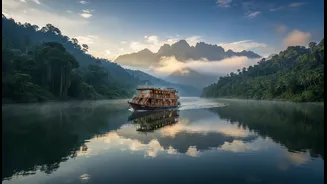


A Monsoon Makeover
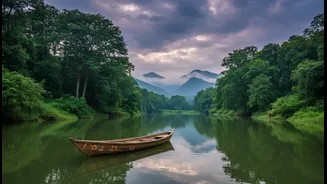
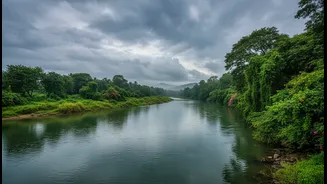
For years, the Indian monsoon was seen as the 'off-season' for travel. This perception is rapidly changing. In July 2026, travellers are actively seeking out the unique beauty that the rains bring. Destinations like the Kerala backwaters and the waterways
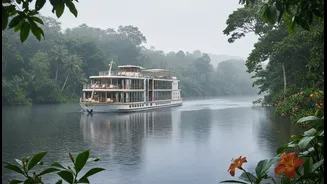
of Goa are no longer just fair-weather choices. Instead, the lush, rain-washed landscapes, swollen waterfalls, and dramatic, cloud-filled skies are becoming the main attraction. Hospitality majors report that the monsoon is increasingly viewed as a preferred travel period, with July bookings pacing ahead of previous years. This shift rebrands the season from an inconvenience to an immersive, atmospheric experience best enjoyed from the serene vantage point of a river vessel.
The Rise of Slow and Experiential Travel
The modern Indian traveller's priorities have evolved. There is a growing movement away from rushed, checklist-style tourism towards more meaningful and immersive journeys. This trend, often called 'slow travel', emphasizes connecting with local culture, cuisine, and nature at a relaxed pace. River cruises are perfectly aligned with this mindset. Gliding gently through waterways allows passengers to observe daily life along the banks, from bustling village markets to tranquil temple rituals, without the stress of constant packing and unpacking. According to a 2026 travel outlook report, relaxation is the primary motivation for 67% of Indian respondents, a desire that river cruising directly addresses by offering a peaceful escape from urban noise.
A Strong Policy and Infrastructure Push
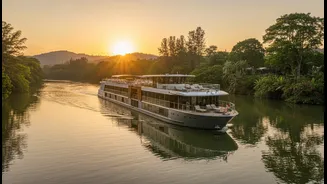
The boom isn't happening in a vacuum. A concerted effort by the Indian government to promote cruise tourism has laid critical groundwork. Initiatives like the Cruise Bharat Mission are channelling investment into developing modern terminals, improving navigational safety, and expanding cruise circuits. The government's goal is ambitious: to establish India as a leading global cruise hub. This includes not only major seaports but also the vast network of inland waterways. The high-profile success of vessels like the MV Ganga Vilas has captured the public imagination and signalled that India's river cruise infrastructure is ready for a new era of tourism.
New Routes and Broader Accessibility
Operators are responding to the growing demand by launching new and diverse itineraries. While the Ganges and Brahmaputra have been traditional mainstays, fresh routes are opening up along India's extensive coastline. Companies like Antara Cruises are planning expansions into the backwaters of Kerala, the rivers of Goa, and even Kashmir. This expansion brings more variety in terms of destinations and experiences. Furthermore, as the market grows, a wider range of price points is emerging, making river cruising accessible to a broader demographic beyond just the luxury segment. This includes travellers from Tier-II and Tier-III cities, who are showing increasing interest in these unique holiday options.
Spotlight on Coastal Hotspots
Certain coastal regions are at the forefront of this trend. In Kerala, luxury houseboats and smaller cruise vessels navigate the serene network of lakes, canals, and lagoons, offering an intimate glimpse into backwater life. In Goa, cruises on the Mandovi and Zuari rivers offer a different perspective on the state, moving beyond beaches to explore lush mangroves and historic sites. The Sundarbans in West Bengal provides a unique, wilder experience, with cruises that focus on the incredible biodiversity of the world's largest mangrove forest. This regional focus allows travellers to pick an experience that aligns with their interests, from wildlife and nature to culture and heritage.