

The Allure of the Queen of Spices
Cardamom is one of the world's most prized spices, celebrated for a complex aroma that is floral, minty, and citrusy all at once. Native to the forests of Southern India, this member of the ginger family is a cornerstone of Indian, Middle Eastern, and even
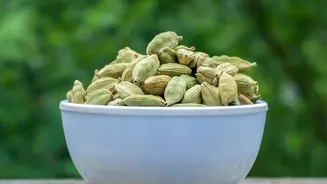
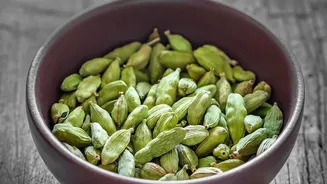
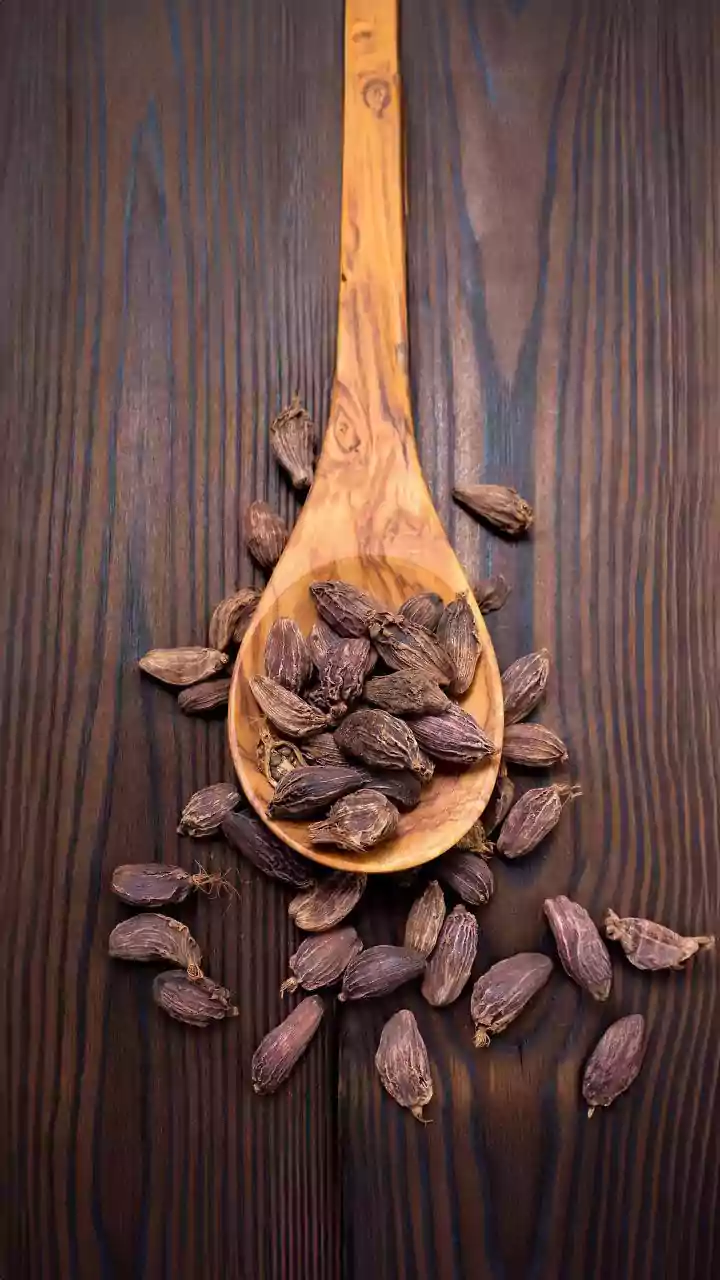
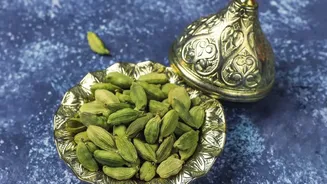
Scandinavian cuisines. While many of us are familiar with ground cardamom, the whole green pod holds the key to a different level of flavour. Each pod contains tiny black seeds that house the essential oils responsible for its signature scent. There are two main types: the common green cardamom (chhoti elaichi), which is bright and aromatic, and the larger black cardamom (moti elaichi), which is dried over fire for a smoky, earthy profile. For delicate dishes like pilaf, green cardamom is the star.
Whole Pods vs. Ground Powder
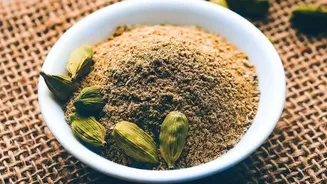
The choice between whole pods and ground powder is about controlling the flavour release. Ground cardamom delivers an immediate, potent burst of flavour, which is perfect for baking or finishing a dish. However, its volatile oils degrade quickly, meaning that pre-ground spice often loses its fragrant punch over time. Whole pods, on the other hand, are like tiny time capsules. The papery husk protects the seeds, preserving their aromatic oils for much longer. When used in cooking, they release their flavour slowly and gently. This creates a deep, integrated aroma that perfumes the entire dish from within, rather than just sitting on top. It’s the difference between a shout and a whisper, and for slow-cooked dishes, that whisper is exactly what you want.
The Perfect Stage: A Savoury Rice Pilaf
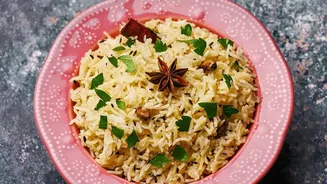
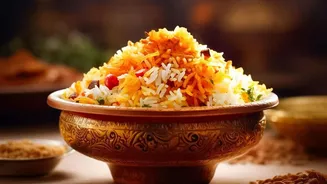
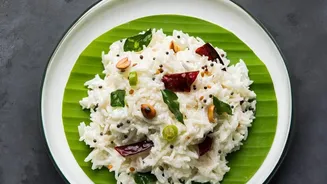
A rice pilaf, or pulao, is the ideal canvas for the whole-pod technique. A pilaf is defined by rice cooked in a seasoned broth, allowing the grains to absorb all the flavours as they cook. The gentle, steady cooking process gives the cardamom pods the time they need to infuse their complex fragrance into the broth, which is then absorbed by every single grain of rice. The result is not a dish that tastes strongly of cardamom, but a dish where the rice itself becomes wonderfully aromatic. Using basmati rice is particularly effective, as its own nutty, fragrant qualities are enhanced by the cardamom. This method of blooming whole spices in hot oil or ghee at the start of cooking, known as 'tadka' in Indian cuisine, is a classic technique for building a foundation of flavour.
Mastering the Whole Pod Technique
Using whole cardamom is simple. Before adding them to the pot, gently crush or bruise two or three pods with the flat side of a knife. This cracks the outer husk, allowing the essential oils from the seeds to escape more easily. The best time to add them is at the beginning, when you are sautéing your onions or other aromatics in hot ghee or oil. The heat will cause the spices to sizzle and release their fragrance, creating a flavourful base for the dish. After adding the rice and liquid, the pods are left to simmer along with everything else. While some recipes suggest removing the pods before serving, many cooks leave them in. Finding a whole pod on your plate is part of the experience—a little burst of intense flavour for the lucky diner.
Beyond the Pilaf
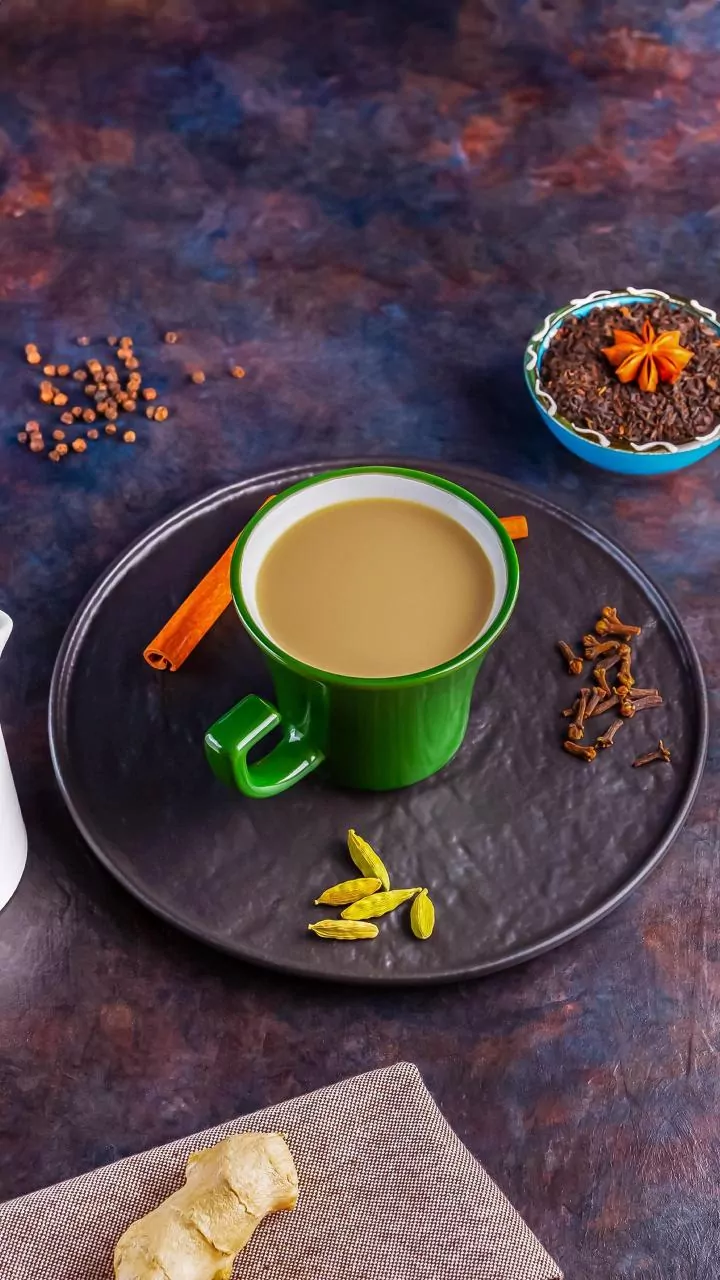
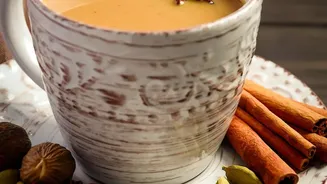
Once you master the art of infusing with whole cardamom, you can apply it to a wide range of dishes. It is a foundational technique for many traditional Indian recipes, including biryanis and rich kormas, where it contributes to the complex layering of spices. The same principle applies to simmering broths, stews, and lentil dishes (dals), where the pods can lend a subtle floral warmth. You can even drop a crushed pod into your pot of tea or coffee to infuse it with a gentle, exotic aroma. Experimenting with whole pods allows you to move beyond using cardamom as just another spice and start using it as a true aromatic building block in your cooking.