





Understanding the Basics of Heat
Before diving into specific peppers, it's helpful to understand what makes them spicy. The heat comes from a compound called capsaicin, measured in Scoville Heat Units (SHU). A bell pepper, or Shimla Mirch, has 0 SHU, while some of the world's hottest
peppers can top 1 million SHU. But heat is only half the story; each pepper also has a unique flavour profile, from fruity and smoky to earthy and sweet. Mastering your pantry means knowing which pepper brings the right combination of flavour and fire to your vegetarian cooking.
For Flavour, Not Fire: The Mild Marvels
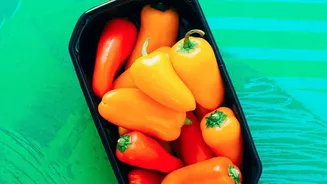
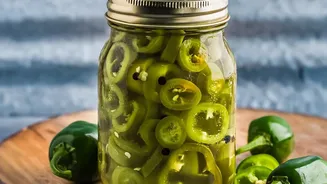
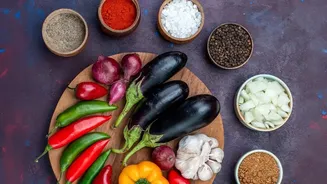
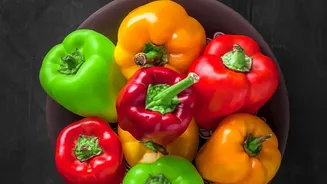
If you're cooking for someone with a low spice tolerance or want to add colour and a gentle peppery taste without the burn, mild peppers are your best friend. Bell Peppers (Shimla Mirch) are the most common, with zero heat and a crisp, sweet flavour perfect for stir-fries, stuffed pepper dishes like Bharwa Shimla Mirch, and sabzis such as Aloo Shimla Mirch. Bhavnagri chillies, larger and light green, are another excellent mild choice. Originating from Gujarat, they have a delicate flavour and are ideal for stuffing with paneer or potatoes to make Mirchi Pakoras or pickles. For a touch of colour and subtle smokiness, Kashmiri chillies are essential. With a very low SHU of 1,000-2,000, they are prized for the vibrant red hue they impart to dishes like curries and marinades, rather than for intense heat.
The Happy Medium: Everyday Heat
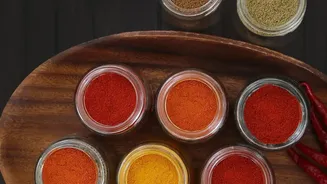
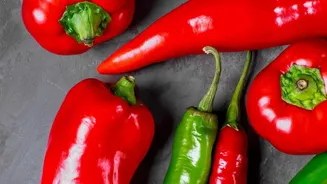
This category is for the daily drivers of the Indian kitchen, providing a noticeable but not overwhelming kick. The most common fresh green chilli used across India is the Jwala, which means 'Volcano' in Hindi. Typically thin and 2-3 inches long, Jwalas provide a sharp, clean heat that's perfect for tadkas, chutneys, and adding a fresh zing to almost any curry. They fall in the 20,000-50,000 SHU range, making them hotter than a jalapeño. Guntur Sannam chillies from Andhra Pradesh are another staple, often used in their dried red form. With a heat level of around 35,000-45,000 SHU, they have a pungent and robust flavour, forming the backbone of many South Indian dishes and commercially produced chilli powders. They add significant spice without completely overpowering the other ingredients in a dish.
For the Brave: The Fiery Favourites
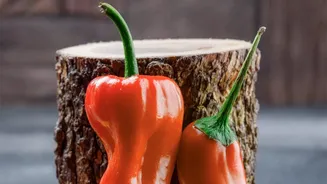
When you truly want to turn up the heat, there are peppers that deliver an intense, fiery experience. Guntur is home to several varieties, and some, like the Teja, are significantly hotter, reaching up to 100,000 SHU or more. These are for when you want to make a statement in a particularly spicy Andhra-style curry or a blazing hot pickle. But for the ultimate in heat, look no further than the Bhut Jolokia, also known as the Ghost Pepper. Hailing from Northeast India, this pepper held the world record for heat, clocking in at over 1 million SHU. It’s about 400 times hotter than a jalapeño. Due to its extreme potency, it's used very sparingly. A tiny amount can be used to make intensely hot sauces, pickles, or chutneys. It has a surprisingly fruity and slightly sweet flavour, but it should always be handled with care, and preferably with gloves.