



The Breakfast Plate, Reimagined
For generations, the Indian breakfast has been a celebration of carbohydrates. Think fluffy idlis, crisp dosas, deep-fried puris with aloo sabzi, or a simple, comforting bowl of poha. While delicious and deeply woven into our cultural fabric, these meals
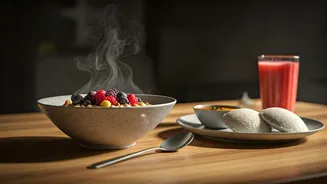
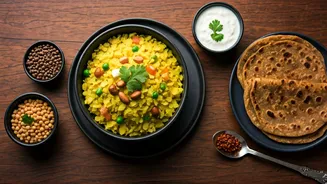
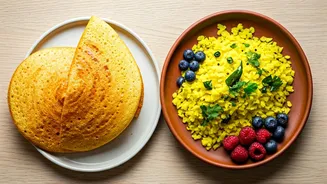
were traditionally designed to fuel a day of physical labour. Today, for a growing number of urban Indians with largely sedentary jobs, the script is flipping. The goal is no longer just to feel full, but to feel fuelled. This has led to a reimagining of classic dishes. The poha is now dotted with sprouts and peanuts for a protein punch; the dosa is made from a multi-millet batter instead of just rice; and the simple chai is often replaced by a whey protein shake or a green smoothie.
The 'Why' Behind the Wellness Wave
This transformation isn’t happening in a vacuum. It’s the delicious result of several converging trends. Firstly, there’s the explosion of health and fitness consciousness, amplified by social media. Instagram feeds are filled with fitness influencers, nutritionists, and home chefs sharing tips on macronutrients and balanced meals. The gym and yoga studio are the new community centres for millennials and Gen Z, and what you eat before or after a workout has become a key part of that lifestyle. Secondly, the pandemic acted as a massive catalyst, forcing a collective focus on immunity and overall well-being. People began scrutinising food labels and questioning what they put into their bodies, turning the kitchen into a personal wellness lab.
Protein: The New Hero Ingredient
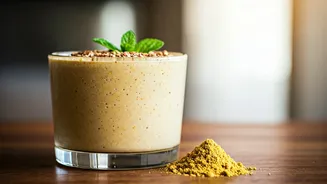
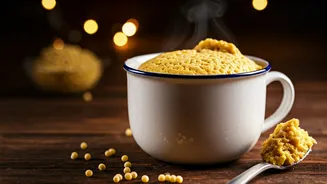
If there’s one word that defines this new breakfast era, it’s ‘protein’. Traditionally, many Indian diets, particularly vegetarian ones, have been lower in protein. The new-age breakfast actively seeks to correct this. Eggs, once a simple side, are now the star of the show in countless forms—masala scrambled, folded into omelettes with spinach and paneer, or simply boiled. For vegetarians, the focus has shifted to paneer bhurji, besan or moong dal chillas, Greek yoghurt, and handfuls of nuts and seeds. The humble sattu, a roasted gram flour from Bihar, has found national fame as a powerhouse ingredient for protein shakes and porridge, celebrated for its cooling properties and slow-releasing energy.
Back to the Future with Millets
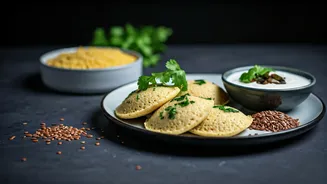
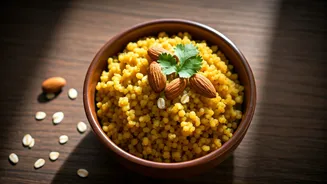
This breakfast evolution isn’t just about adding new ingredients; it's also about rediscovering old ones. Millets like ragi, jowar, and bajra, once considered rural staples, are making a huge comeback. They are being hailed as ‘superfoods’ for being gluten-free, high in fibre, and having a lower glycemic index than refined wheat and rice. This has sparked incredible innovation. We’re now seeing ragi idlis, jowar upma, and bajra porridge appearing on breakfast tables and in trendy cafe menus. It’s a wonderful fusion of past and present—using ancestral grains, supported by modern nutritional science, to create a breakfast that’s both intrinsically Indian and perfectly suited for a modern life.
The Market Responds
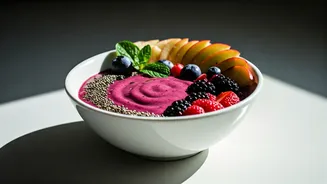
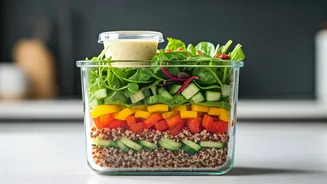
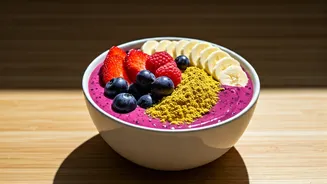
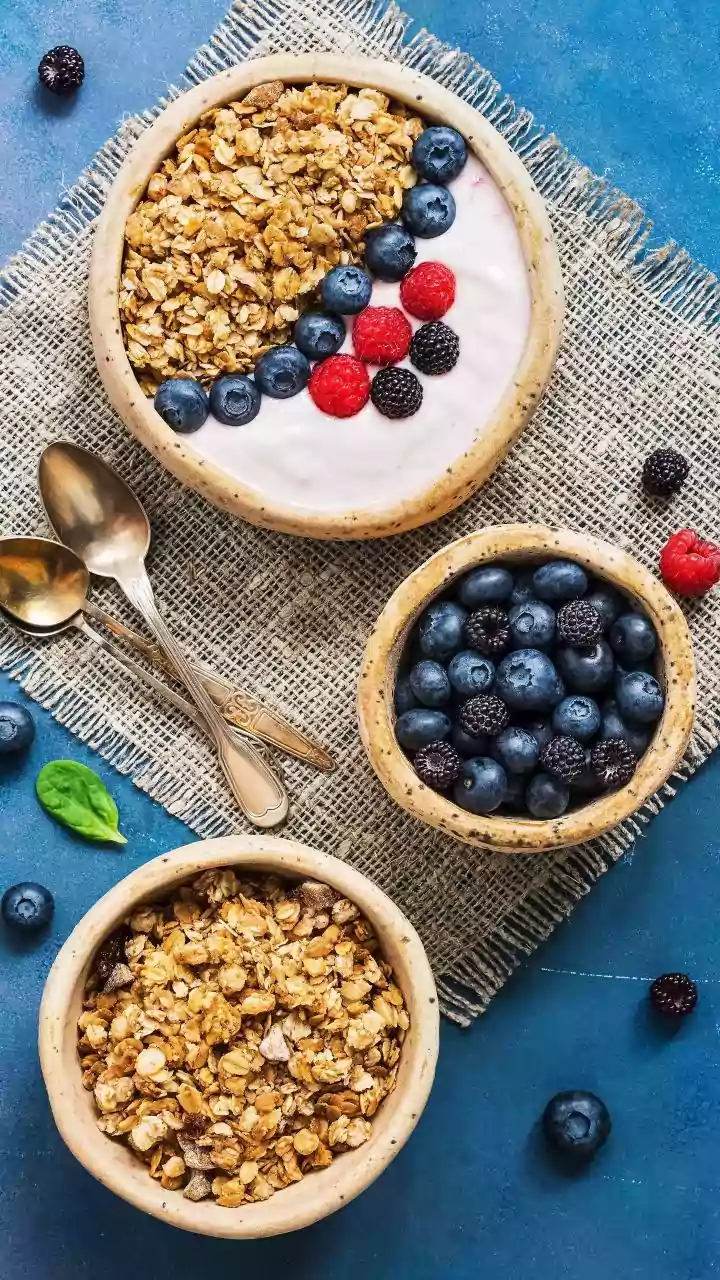
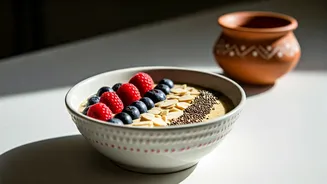
Sensing this significant shift in consumer behaviour, the food industry has been quick to respond. Supermarket aisles are now lined with ‘high-protein’ breakfast cereals, millet-based muesli, and fortified oat mixes. A wave of direct-to-consumer (D2C) brands has emerged, offering everything from packaged millet batters to keto-friendly granola and plant-based protein powders. Restaurants and cloud kitchens have also adapted, with dedicated ‘health’ menus featuring smoothie bowls, avocado toast on whole-wheat bread, and quinoa upma, catering to a clientele that wants to eat out without compromising their health goals.