







Factor In Your Journey's Length
The duration of your flight is the first filter for choosing a seat. For a short domestic hop of two hours or less, convenience is often the top priority. An aisle seat is a strategic choice here. It allows you to get up without disturbing others, access
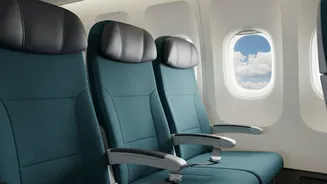
the overhead bin easily, and be one of the first to deplane when you land. This can make all the difference if you have a tight connection or are simply eager to get on with your day. For long-haul flights, however, the calculus changes entirely. Comfort becomes king. A window seat is often the superior choice for journeys stretching over several hours. It provides a solid surface to lean against for support when you want to rest and ensures you won't be disturbed by seatmates needing to use the lavatory. You also get control over the window shade, which is a small but significant perk for managing light when you’re trying to sleep. The slight inconvenience of asking others to move is a small price to pay for hours of uninterrupted comfort.
Prioritising In-Transit Sleep
If sleeping on the plane is your primary goal, your seat choice is critical. The window seat is overwhelmingly recommended by seasoned travellers for its sleep-inducing benefits. The ability to lean against the cabin wall provides stability for your head and neck, reducing the likelihood of waking up with a stiff neck. It also cocoons you from the activity in the aisle. Equally important is what your seat is not near. For the best chance of undisturbed rest, avoid seats close to the galleys and lavatories. These areas are high-traffic zones with constant light and noise, which can disrupt sleep. Bulkhead seats—the row directly behind a cabin divider—are a mixed bag. While they offer the perk of no one reclining into your space, they are often located near these busy areas and can have immovable armrests, which reduces seat width and flexibility for getting comfortable. Furthermore, all your belongings must be stored overhead during takeoff and landing, limiting easy access.
Considering Comfort and Mobility
Your personal mobility needs should play a major role in your seat selection. For anyone who needs to stand and stretch frequently, has long legs, or anticipates multiple trips to the restroom, an aisle seat is the most practical option. It provides freedom of movement without having to climb over your neighbours. Passengers with mobility challenges often find aisle seats more accessible. Many planes have movable aisle armrests that can make transferring into the seat easier. It's always best to check with the airline. Bulkhead seats can also be beneficial, providing extra space in front, and airlines often reserve these for passengers with disabilities or those traveling with infants. However, the fixed armrests can sometimes make side transfers difficult. Exit row seats offer generous legroom but come with a significant catch: you must be willing and physically able to assist in an emergency. Federal regulations require exit row passengers to be at least 15 years old and meet specific criteria regarding mobility, strength, vision, and hearing.
A Quick Guide to Seat Maps
Before you finalise your booking, take a moment to study the aircraft’s seat map. This simple diagram holds the key to avoiding a sub-par experience. Look for the icons indicating lavatories and galleys and choose a seat several rows away if you want a quieter ride. Exit rows are clearly marked, as are bulkhead positions. Some rows may have missing seats, offering a bit of extra space. Seats near the wings often provide a smoother ride with less turbulence, which is a great tip for nervous flyers. Seats at the very back of the plane can be noisier and may have limited recline. Taking just a few minutes to review this map, and perhaps cross-reference it with a specialised website that offers seat reviews, empowers you to make an informed decision that aligns perfectly with your travel needs.