


The Real Root of Frizz
For years, we’ve been told that frizz is a hair problem. We slather on serums and oils to smooth the hair cuticle, which is the outermost layer of the hair strand. When this layer is raised, it allows moisture from the air to enter the hair shaft, causing
it to swell and, you guessed it, frizz. But the latest thinking, largely inspired by Korean beauty philosophies, suggests we’ve been looking in the wrong place. The new focus is on the scalp. This trend, often called the “skinification” of hair, applies the principles of skincare to scalp care. The logic is simple: your scalp is skin, and healthy skin is the foundation for healthy hair. An imbalanced, dehydrated, or inflamed scalp can’t produce strong, resilient hair. Instead, it grows hair that is weaker, more porous, and far more susceptible to frizz from the moment it emerges.
K-Beauty's Scalp-First Approach
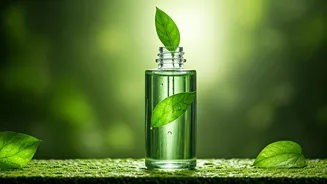
Korean beauty has always prioritised treating the root cause of an issue rather than just masking the symptoms. For skin, that means a focus on hydration, barrier repair, and gentle, nourishing ingredients. Now, that same ethos is being applied to the scalp. Instead of heavy, silicone-based serums that coat the hair shaft for a temporary fix, K-beauty innovators are creating lightweight, water-based gels and essences. These products are designed to be applied directly to the scalp, where they absorb quickly without leaving a greasy residue. Their purpose is not to plaster down existing frizz, but to create a healthy scalp environment that cultivates smoother, stronger, and naturally frizz-resistant hair over time.
The Botanical Power Players
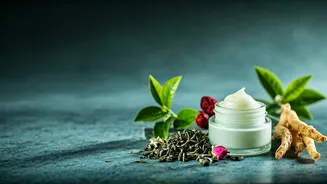
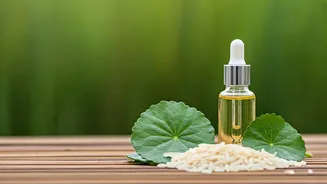
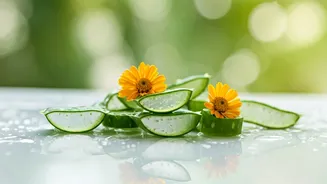
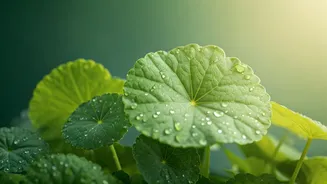
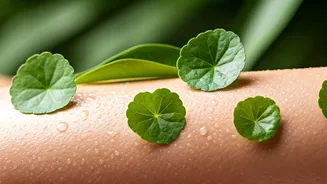
The magic of these Korean gels lies in their potent botanical infusions, many of which are heroes in the skincare world. One of the most prominent is Centella Asiatica, also known as Cica or Tiger Grass. Famous for its healing and soothing properties in skincare, Cica calms scalp inflammation, reduces itchiness, and improves circulation to the hair follicles. Another key ingredient is Ginseng, a cornerstone of traditional Korean medicine. Ginseng is revered for its ability to stimulate the scalp, strengthen hair roots, and promote healthy growth by boosting blood flow to the follicles. Other common botanicals include soothing Aloe Vera for hydration, antioxidant-rich Green Tea to protect the scalp, and Bamboo extract, which is known for its strengthening properties. These ingredients work in synergy to hydrate, nourish, and balance the scalp’s ecosystem.
How Gels Tame Frizz Long-Term
So, how does a scalp gel stop the hair on your ends from frizzing? It’s a long game. By consistently nourishing and hydrating your scalp, you are fundamentally changing the quality of the hair that grows. A well-hydrated and balanced scalp produces hair with a healthier, more intact cuticle layer from the very start. This stronger cuticle is less likely to lift and let in humidity, meaning the hair is naturally smoother and less prone to frizz. Think of it like gardening: you can’t get healthy plants from depleted soil. These botanical gels are enriching the “soil” of your scalp. While traditional anti-frizz products provide a cosmetic, temporary shield, a scalp-focused approach offers a biological solution that improves hair health from its origin.
Integrating Gels into Your Routine
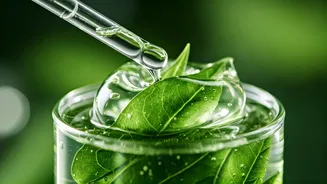
Adopting this new approach is straightforward. These scalp treatments are typically found as lightweight gels, tonics, or ampoules. They are best applied to a clean scalp, either when your hair is damp after washing or on a dry scalp before bed. Part your hair into sections and use the dropper or nozzle to apply the product directly onto the skin. Gently massage it in with your fingertips to stimulate circulation and ensure even distribution. Since these formulas are designed to be lightweight and fast-absorbing, you don’t need to worry about them weighing your hair down or making your roots look oily. For best results, consistency is key. Using a scalp gel a few times a week can, over time, lead to a calmer scalp and visibly smoother, healthier-looking hair.