



Beyond the Usual Suspects
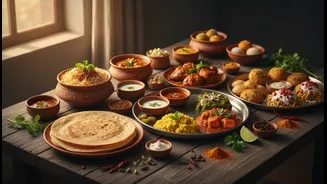
For decades, eating out in India often meant choosing from a familiar menu of North Indian staples like butter chicken and paneer tikka, or their localized Chinese and South Indian counterparts. While delicious, this fare represented only a sliver of the subcontinent's
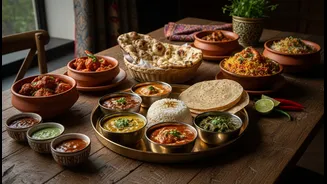
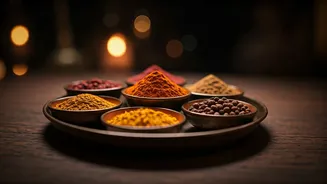
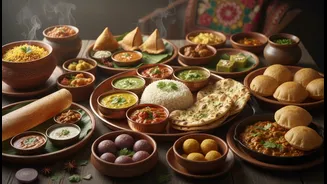
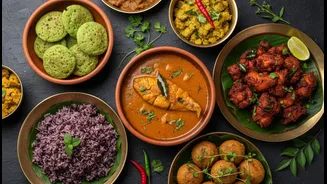
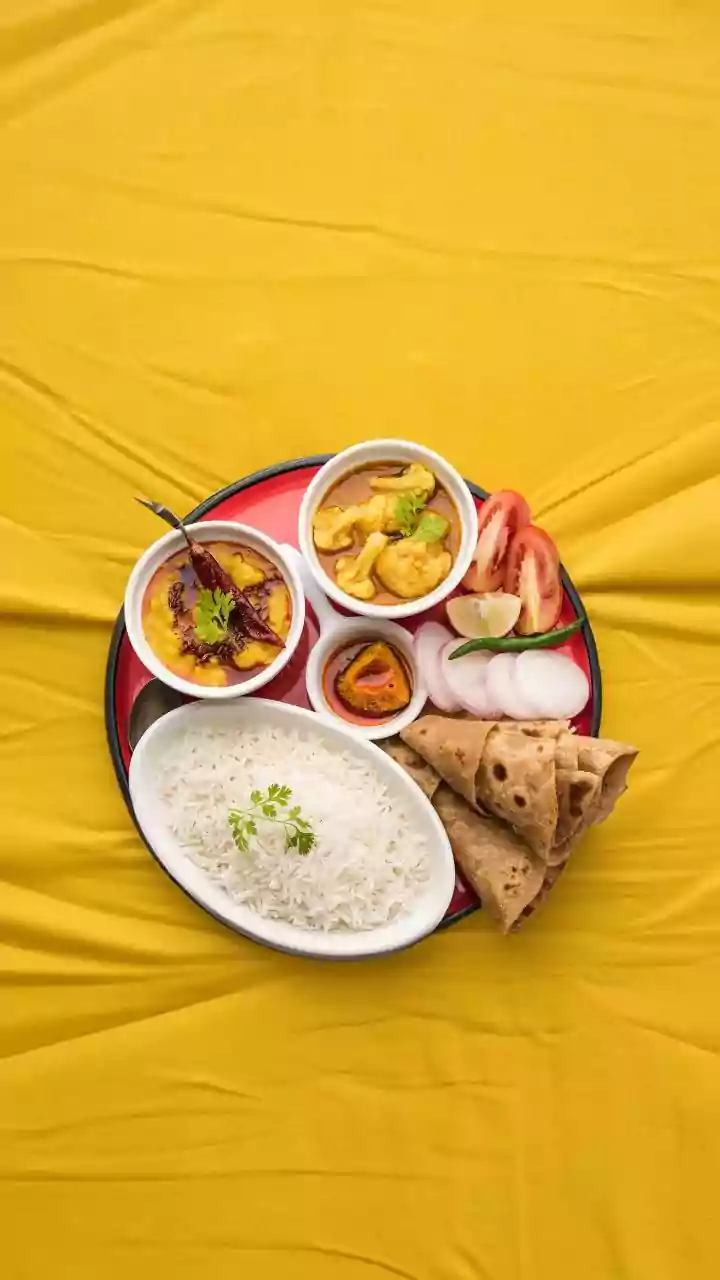
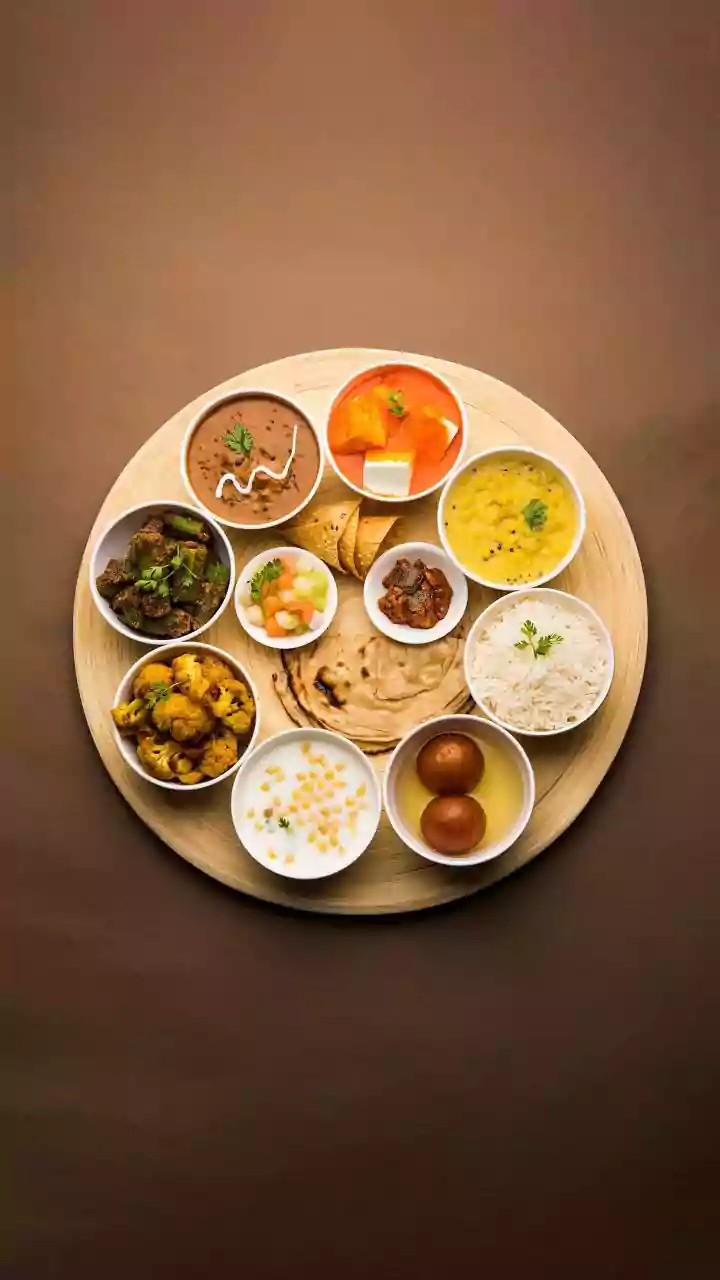
vast culinary diversity. Today, diners are actively seeking authenticity and variety, signalling a major shift. This new appetite isn't just for spicier food, but for more complex flavour profiles: the pungent, the sour, the fermented, and the subtly layered tastes that define India's diverse regional kitchens. Chefs and restaurateurs are responding, moving away from generic menus to showcase the unique culinary heritage of specific regions, from Kerala's coastal curries to Nagaland's smoked meats.
The Great Regional Rediscovery
A new generation of chefs is confidently championing hyperlocal ingredients and traditional recipes once confined to home kitchens. This movement is about more than just food; it's about storytelling and cultural pride. Restaurants are finding success not by diluting flavours, but by presenting dishes like Chettinad chicken and Rajasthani dal baati with confidence. Diners are rewarding this authenticity, showing a growing curiosity for dishes that tell a story of a specific place. This rediscovery is fuelled by a desire to connect with roots, with searches for regional cuisines like Pahari, Malvani, and Kashmiri growing significantly on food platforms.
A Global Palate on a Local Plate
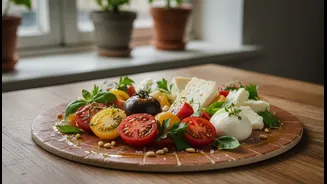
The evolution isn't just happening within India's borders. Increased global exposure through travel and media has cultivated a taste for international boldness. Korean cuisine, with its spicy and fermented flavours, has found a particularly enthusiastic audience. This has led to a rise in 'fusion' cuisine that feels more natural and less forced than earlier iterations. Think naan tacos, butter chicken pizza, or masala-spiced cocktails. This blending of global trends with local flavours reflects a new confidence. As one chef noted, Indian food has stopped feeling the need to translate itself for acceptance and is instead setting its own terms.
The Social Media Effect
The visual, fast-paced world of social media has become a powerful engine for food trends. Instagram and TikTok have made stars out of home cooks and street food vendors, making Indian cooking seem more accessible and relatable. Platforms like these have also made diners more adventurous, encouraging them to try new things based on what they see trending online. This digital influence has prompted restaurants to think visually, creating dishes that are as photogenic as they are flavourful. From viral food hacks to challenges, social media is helping to spread awareness and appreciation for the sheer diversity of Indian food.
A New Definition of 'Bold'
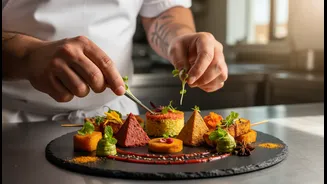
Modern Indian chefs are pushing boundaries in fine dining, moving past the era of performative gimmickry like foams and liquid nitrogen. The new boldness is about substance and technique, such as using sous-vide to perfect a traditional mutton curry or reimagining a vada pav using modern dehydration methods to concentrate flavour without the grease. There is also a renewed focus on indigenous ingredients, with ancient grains like millets and hyperlocal produce like the Goan kokum fruit becoming the stars of contemporary menus. This isn't just about creating new dishes; it's about refining and perfecting the delivery of beloved, traditional flavours.