






The End of Predictable Seasons
The familiar rhythm of Indian weather is changing. For generations, we have timed our lives and wardrobes around the predictable arrival and departure of the monsoon. However, scientific evidence confirms what many have been feeling: these timelines are
no longer certain. Studies show that climate change is making the Indian monsoon more erratic, with delayed onsets, false starts, and prolonged withdrawals becoming the new normal. For instance, the date for the monsoon's retreat is becoming increasingly variable. This means that the post-monsoon season, which traditionally heralded the start of a cooler, drier period, might now be punctuated by unseasonal rain and lingering humidity, rendering the big 'seasonal swap' of clothes impractical.
From Seasonal Swaps to a Transitional Wardrobe
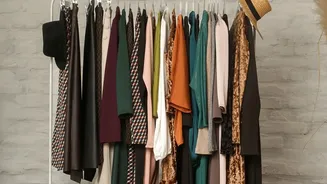
The core problem is that our wardrobes were built for a climate that was, until recently, fairly predictable. You had summer clothes, monsoon gear, and winter wear. But what do you do when a single day can feel like it has multiple seasons? The solution is to move away from rigid seasonal categories and embrace a 'trans-seasonal' or 'transitional' wardrobe. This approach is not about having more clothes, but about choosing more versatile pieces that can be adapted. It prioritises layering and functionality, allowing you to respond to the weather on any given day, rather than dressing for a season that may not behave as expected.
The Fabric-First Philosophy
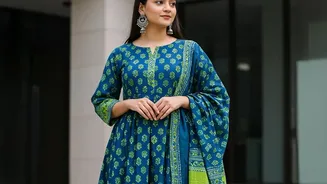
In this new reality of unpredictable weather, fabric choice becomes more important than ever. The most effective transitional wardrobes are built on breathable, adaptable materials. Lightweight, natural fabrics like cotton, linen, and their blends are ideal. Cotton is excellent at absorbing moisture, while linen's structure allows it to stand away from the skin, making it superior in high humidity. For the unpredictable 'in-between' weather, where a cool morning can turn into a hot afternoon with a chance of rain, layering becomes key. Think cotton shirts, lightweight jackets, and scarves that can be easily added or removed. These pieces are functional and allow for comfort across a range of conditions.
Key Pieces for an All-Weather Closet
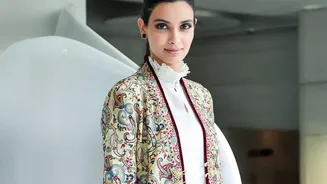
Building a functional trans-seasonal wardrobe starts with a few key items. A lightweight, water-resistant jacket is a must-have, offering protection from a sudden downpour without being too warm. Instead of heavy sweaters, consider breathable knit tops or cardigans that provide warmth without bulk. Relaxed-fit trousers in cotton or linen blends are more versatile than heavy denim, which can be slow to dry and uncomfortable in humid conditions. Investing in co-ord sets made from breathable fabrics can also simplify dressing; they look put-together but feel comfortable and can be worn as separates. The goal is to own pieces that can be mixed, matched, and layered effortlessly.
Rethinking Clothing Storage
This shift also requires a new approach to storage. The old method of packing entire seasons of clothing into trunks and storing them away is becoming obsolete. Instead, consider organizing your closet by item type rather than by season. Keep versatile, layerable pieces like lightweight jackets, shirts, and breathable tops accessible all year round. You might still store away the most extreme items—heavy woollen coats or the lightest summer shorts—but the bulk of your wardrobe should remain in rotation. This creates a more fluid and responsive system that mirrors the increasingly fluid nature of our climate.