





The Declining Dominance of Cereals
For generations, the foundation of the Indian meal has been cereals like rice and wheat. However, the latest HCES data confirms a significant long-term trend: the share of spending on cereals in the overall food budget is decreasing. In rural India, the expenditure
share on cereals has fallen, a pattern mirrored in urban areas. This doesn't mean Indians are abandoning their rotis and rice entirely, but it shows that as incomes rise, these staples no longer command the same dominance on the plate. The proportion of households consuming more than one and a half times the recommended amount of cereals has also declined over the last decade, indicating a gradual balancing of the food plate. This shift is partly credited to government food security programs which have ensured access to basic grains, allowing families to spend more on other food groups.
What's Filling the New Food Basket?
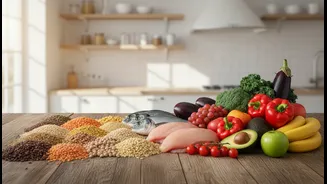
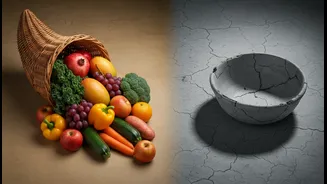
As spending on cereals plateaus, households are diversifying their diets. There's a notable increase in the consumption of milk, fruits, vegetables, eggs, and fish. This dietary diversification is a strong indicator of improving economic conditions and access. The data shows that even the poorest households have seen significant gains in dietary diversity, consuming more high-value foods than a decade ago. The consumption of fruits and nuts has seen a particularly dramatic improvement. However, this transition is not without its complexities. The shift also includes a substantial rise in spending on processed foods, beverages, fats, and oils. In fact, for many households, spending on beverages and processed foods is now higher than on fruits and vegetables, pointing to a new set of nutritional challenges.
The Double-Edged Sword of Nutrition
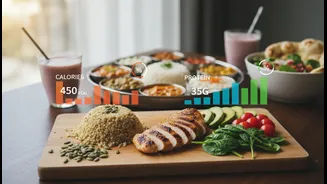
This changing food basket presents India with a 'double burden' of malnutrition: the persistence of undernutrition and micronutrient deficiencies, alongside a rapid rise in obesity and non-communicable diseases (NCDs). While increased intake of proteins from milk and eggs is a positive step, the concurrent rise in consumption of foods high in fat, sugar, and salt is a major concern. This dietary pattern is a key risk factor for the growing epidemic of diabetes, hypertension, and cardiovascular diseases, which now account for a majority of deaths in the country. Shockingly, over half of India's disease burden is now linked to poor diets. The country is in the midst of a nutrition transition, where the problems of undernutrition in some segments of the population coexist with the challenges of overnutrition in others.
A Clearer Roadmap for Policy
The detailed picture provided by the latest consumption data is a crucial tool for policymakers. It moves the national focus from mere food security—ensuring enough calories—to comprehensive nutrition security, which is about getting the right balance of nutrients. This granular understanding allows for more targeted and effective policies. For instance, knowing that coarse grain consumption has steeply declined despite their nutritional benefits suggests a need for better promotion and integration into public schemes. Similarly, the data highlights the need to reform programs like the Public Distribution System (PDS) and mid-day meals to include a more diverse range of foods like pulses, millets, and vegetables, addressing both calorie and nutrient gaps. The clear rise in spending on unhealthy processed foods also strengthens the case for public health campaigns and regulations, such as taxes on unhealthy items and restrictions on advertising to children.