



A Conscious Climb, Not a Compromise
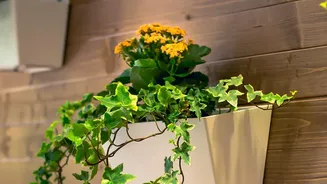
For years, gardening in a city apartment felt like a compromise, a scaled-down version of the real thing. But the surge in vertical gardening isn't just about managing a lack of space; it’s a deliberate choice. Homeowners are transforming blank walls
and bare fences into lush, living art installations. This shift in thinking positions vertical gardens not as a last resort, but as a primary design feature. It's an active decision to integrate nature into our homes in a visually striking way, proving that limited floor space doesn't have to mean limited ambition or beauty. The trend shows we’re no longer just finding a corner for a pot, but redesigning our spaces around the idea of living with plants.
The Living Wall as a Style Statement
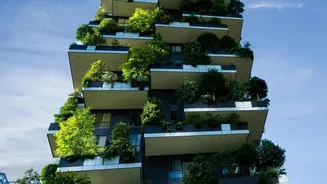
In cities like Mumbai, Bengaluru, and Delhi, where every square foot is precious, a bare wall is now seen as a blank canvas. Vertical gardens have become a major aesthetic trend, softening the harsh lines of urban architecture with cascades of foliage. From simple trellises with climbing vines to sophisticated modular systems, these green walls do more than just look good. They act as natural insulators, helping to cool buildings and reduce the urban heat island effect. Furthermore, they can help dampen city noise, creating a more tranquil home environment. This trend shows a growing desire for our homes to be sanctuaries—calm, beautiful, and connected to nature, even in the middle of a bustling metropolis.
Your Balcony, Your Personal Market
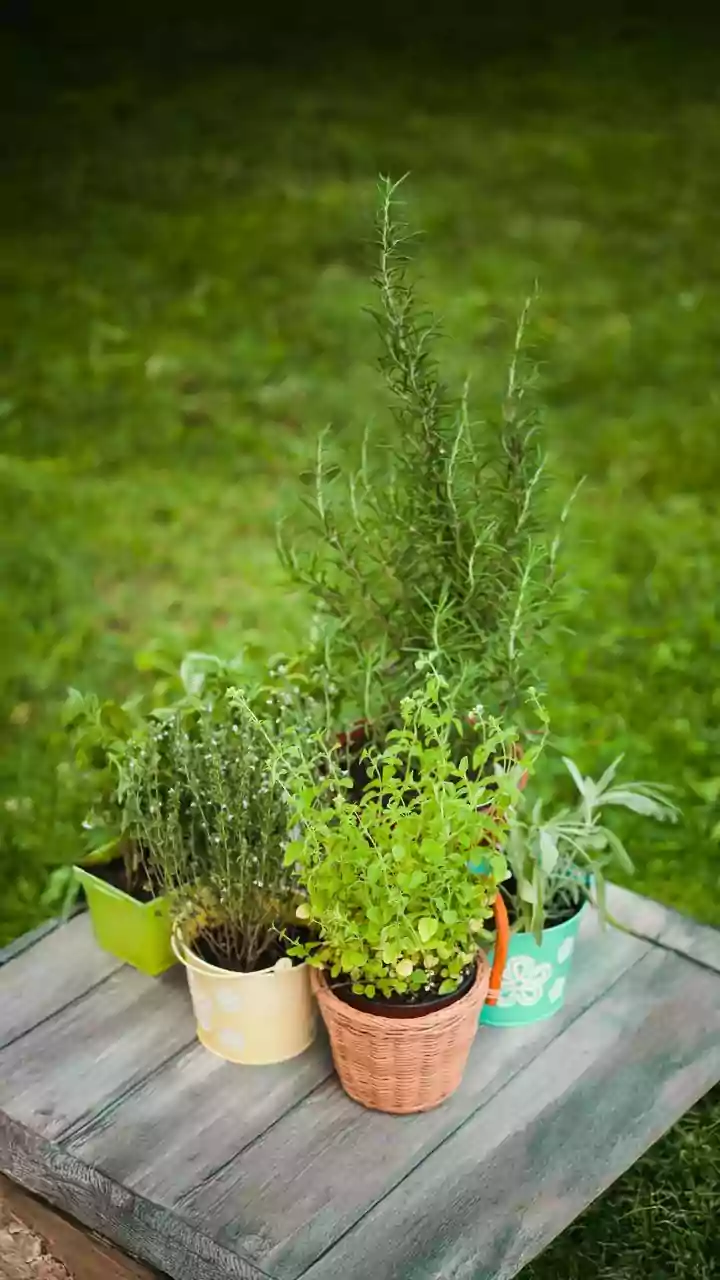
One of the most powerful drivers of the vertical gardening boom is the desire for fresh, homegrown food. The ability to grow your own herbs, leafy greens, and even vegetables like tomatoes and chillies is a game-changer for urban dwellers. Companies and local initiatives in cities like Bengaluru are helping residents grow everything from palak (spinach) to brinjal (eggplant) in compact vertical setups. This 'farm-to-table' experience, right from your own balcony, offers more than just convenience. It provides access to pesticide-free produce and a deeper connection to the food we eat. This aspect of the trend highlights a move towards self-sufficiency and health-consciousness, showing a clear desire to reclaim a part of our food chain.
An Answer to Our Need for Nature
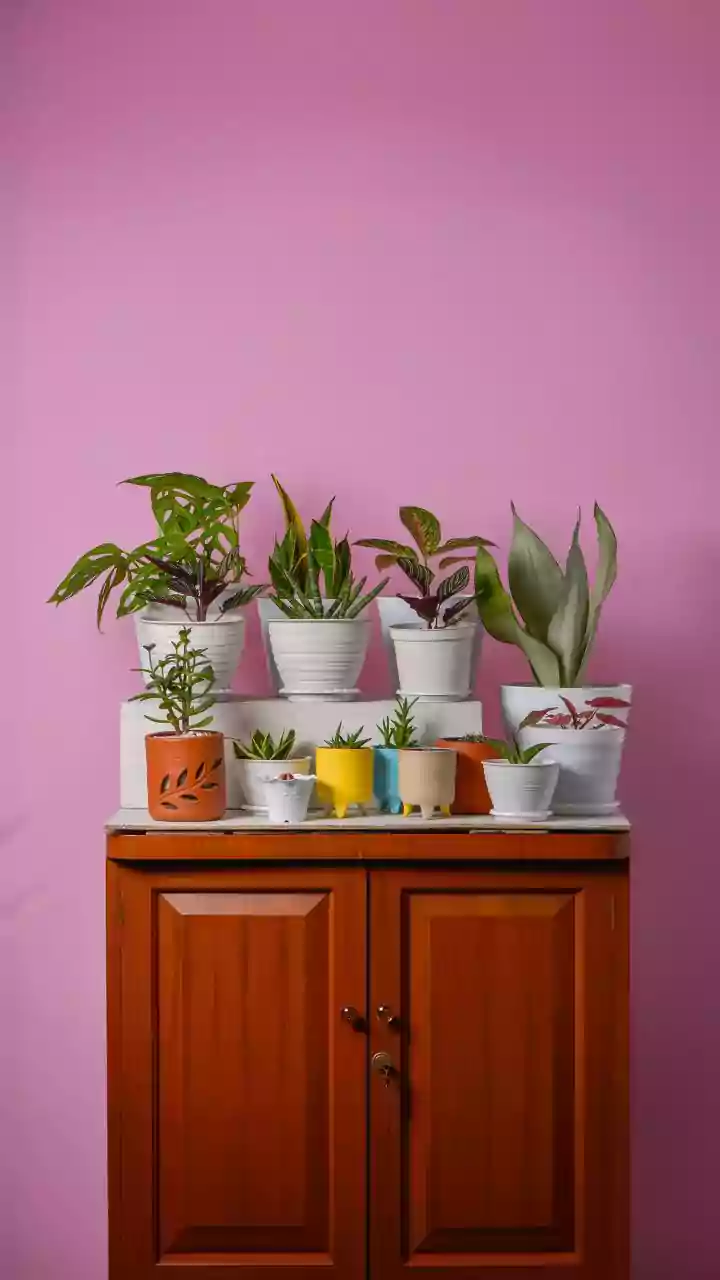
The trend also speaks to a deep, psychological need. The concept of 'biophilia' suggests that humans have an innate tendency to seek connections with nature. Living with plants has been shown to reduce stress, improve mood, and boost overall well-being. A vertical garden is not just a collection of plants; it’s a small ecosystem that brings life, clean air, and a sense of calm into our homes. In our increasingly digital and concrete world, cultivating a patch of green, no matter how small, is a therapeutic act. This shows that the trend is rooted in a fundamental human desire to nurture life and stay connected to the natural world.
Smarter Systems for Greener Thumbs
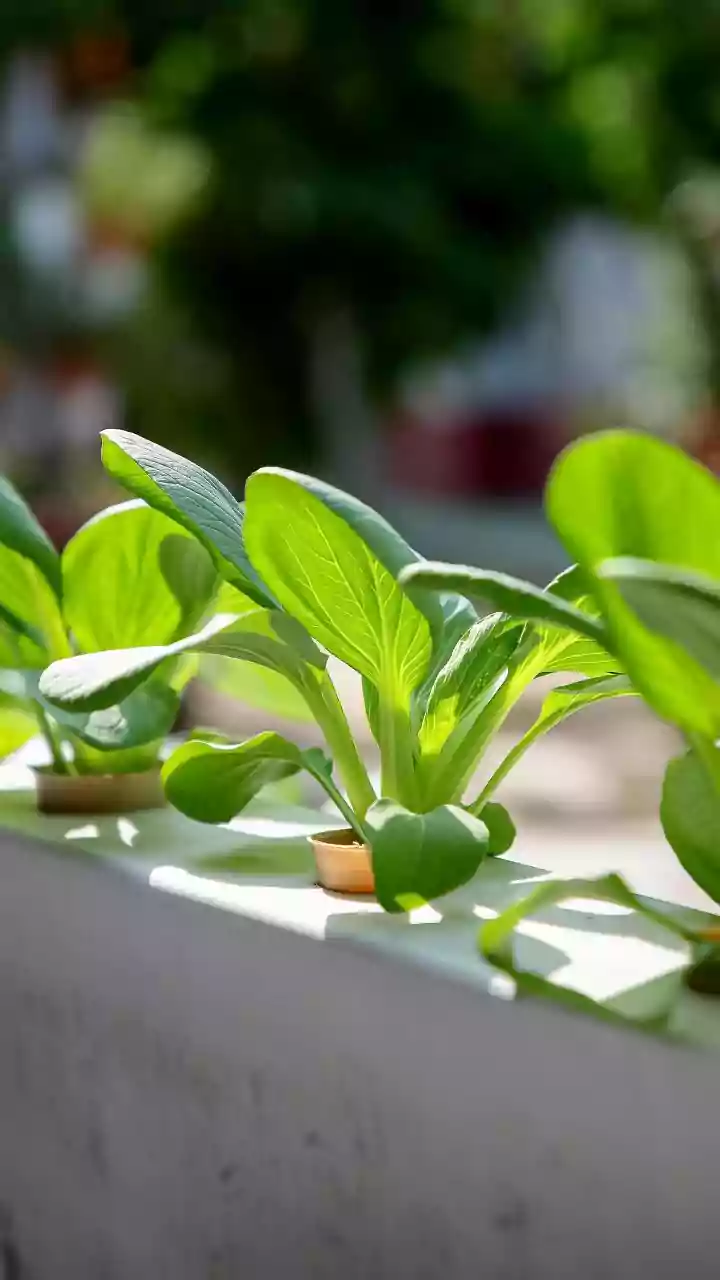
This gardening revolution is powered by innovation. The market is now full of user-friendly systems that make vertical gardening accessible to everyone, regardless of their experience. Options range from simple fabric pocket planters and stacked containers to advanced hydroponic and aeroponic towers that grow plants without soil, using nutrient-rich water. Many of these systems are self-watering or AI-assisted, taking the guesswork out of plant care. The availability of these smart, efficient tools shows that vertical gardening is no longer a niche hobby but a mainstream, tech-supported movement making it easier than ever to grow more in less space.