



What Are the Delta Aquariids?
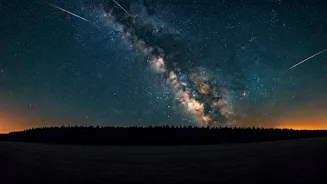
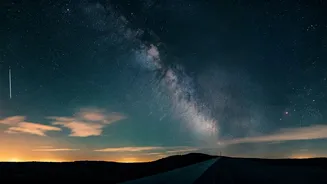
The Southern Delta Aquariids are an annual meteor shower active from mid-July to late August. They occur when Earth passes through a stream of cosmic debris left behind by a comet, in this case, most likely Comet 96P/Machholz. This small comet, about
6.4 kilometres across, orbits the sun every five years or so, leaving a trail of dust and rock in its wake. When these tiny particles enter our atmosphere at high speeds—around 41 kilometres per second—they burn up, creating the fleeting streaks of light we call meteors or 'shooting stars'. The shower gets its name because the meteors appear to radiate from a point near the star Delta Aquarii in the constellation Aquarius.
The 2026 Peak and a Lunar Challenge
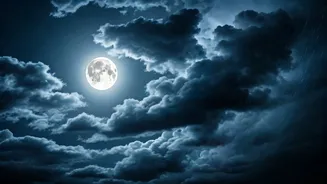
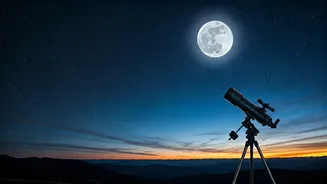
The Delta Aquariids are set to peak on the night of July 30, 2026. However, stargazers face a significant challenge this year: a bright moon. The full moon occurs on July 29, meaning the sky will be illuminated by a 98% full moon during the peak viewing hours. This intense moonlight will unfortunately wash out many of the fainter meteors. The Delta Aquariids are known for being a more subtle shower, producing about 15 to 25 meteors per hour under perfect, dark-sky conditions. With the moon's glare, the number of visible meteors will be significantly lower.
Your Best Viewing Strategy for India
Despite the moonlight, you can still try to catch the show. The best viewing window in India will be in the pre-dawn hours of July 30 and July 31, between 1:30 AM and 4:30 AM IST. This is when the radiant point in the constellation Aquarius is highest in the southern sky. To maximize your chances, try watching in the week before the peak, from around July 21 to July 26. During this period, the mornings will be darker and moon-free, offering a better chance to spot early Aquariids. Also, keep an eye out for the simultaneous Alpha Capricornid meteor shower, which is known for producing a few very bright, slow-moving fireballs that might be powerful enough to outshine the moonlight.
How to Watch: A Simple Guide
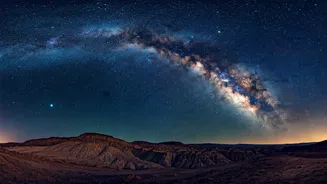
The best instrument for watching a meteor shower is your own eyes. You don't need a telescope or binoculars, as their narrow fields of view will limit what you can see. The key is to find a location as far away from city lights as possible. Light pollution is the biggest enemy of stargazing. Head to a rural area, a quiet park, or even a high-rise rooftop with an unobstructed view of the sky. Give your eyes at least 20-30 minutes to adapt to the darkness; avoid looking at your phone screen during this time. Lie back on a blanket or a comfortable chair, look up towards the southern sky, and be patient. The show lasts until dawn, so you have plenty of time.
Where to Go in India
For the most dedicated sky-watchers, India offers some incredible dark-sky locations. The high-altitude deserts of Ladakh and Spiti Valley in Himachal Pradesh offer some of the clearest skies in the country. More accessible options include the areas around Kausani and Mukteshwar in Uttarakhand, the Rann of Kutch in Gujarat, or even the coffee plantations of Coorg in the south. Any place with minimal light pollution will dramatically improve your experience. Remember to check local weather forecasts before you head out, as monsoon clouds can be a factor in July.